Urban farming innovations transform city landscapes by providing fresh produce, promoting sustainability, and fostering community engagement through diverse techniques like vertical gardening and hydroponics.
Urban farming innovations are transforming how we think about food production in cities. Have you ever considered how much fresher your meals could be? Let’s explore these exciting developments together.
What is urban farming?
Urban farming is an innovative approach to growing food in cities. It focuses on cultivating, processing, and distributing food within an urban setting. As cities grow, urban farming becomes crucial for sustainable food sources.
This method not only addresses food security issues but also promotes green spaces in densely populated areas. Many people are curious about how it works and the various techniques used.
Types of Urban Farming Techniques
Urban farming employs various methods tailored to limited spaces. Some popular techniques include:
- Vertical gardening: This technique utilizes vertical spaces to grow plants, allowing for high-density crop production.
- Hydroponics: Growing plants in water instead of soil, hydroponics maximizes space and uses fewer resources.
- Community gardens: These gardens are shared spaces where residents can cultivate their fruits and vegetables together.
- Rooftop gardens: Utilizing unused rooftop space, these gardens provide fresh produce while improving air quality.
Each of these techniques has unique benefits. For instance, vertical gardens can create beautiful green walls while maximizing yield. Similarly, rooftop gardens help utilize otherwise wasted space in urban environments.
Urban farming also involves understanding the local ecosystem. By integrating food production into city planning, communities can reduce transportation costs and create fresh food access.
Benefits of Urban Farming
The advantages of urban farming extend beyond just food production. They can include:
- Improved mental health: Access to green spaces can boost local residents’ well-being.
- Enhanced biodiversity: Urban farms create habitats for various species, supporting local wildlife.
- Stronger communities: Engaging in farming activities fosters a sense of community among neighbors.
Overall, urban farming is not just about growing food; it is about changing the urban landscape for the better. By understanding urban farming and its techniques, we can contribute to a more sustainable future.
Key technologies revolutionizing urban farming
The world of urban farming is changing rapidly thanks to new technologies. These innovations make it easier to grow food efficiently, even in small spaces. With the right tools, city dwellers can cultivate fresh produce right in their backyards or on rooftops.
One of the leading technologies is smart irrigation systems. These systems help optimize water usage by adjusting the flow based on moisture levels. This is crucial for urban areas where water can be scarce.
Vertical Farming Technology
Vertical farming is another game changer. By using vertically stacked layers, this method increases the amount of crops that can be grown in a limited area. It often employs artificial lighting, allowing plants to thrive without natural sunlight.
- Energy-efficient LED lights: These lights use less energy and can be tailored to the specific needs of each plant.
- Hydroponic systems: Growing plants without soil, these systems provide nutrients directly to the roots.
- Climate control: Advanced sensors monitor environment conditions, ensuring optimal growth.
Another exciting development is the use of drone technology. Drones can survey urban farms to gather valuable data. This includes monitoring plant health and assessing irrigation needs. By utilizing drones, urban farmers can make informed decisions to boost their crop yields.
Mobile Apps and Software
Additionally, mobile applications help urban farmers manage their plants better. These apps can provide reminders for watering, fertilizing, and harvesting. Some even offer advice based on local weather conditions.
As technology advances, urban farming continues to evolve. Farmers can adopt innovations that were previously only available in large, traditional farms. This transformation is making urban farming more productive and accessible for everyone.
Benefits of urban farming innovations
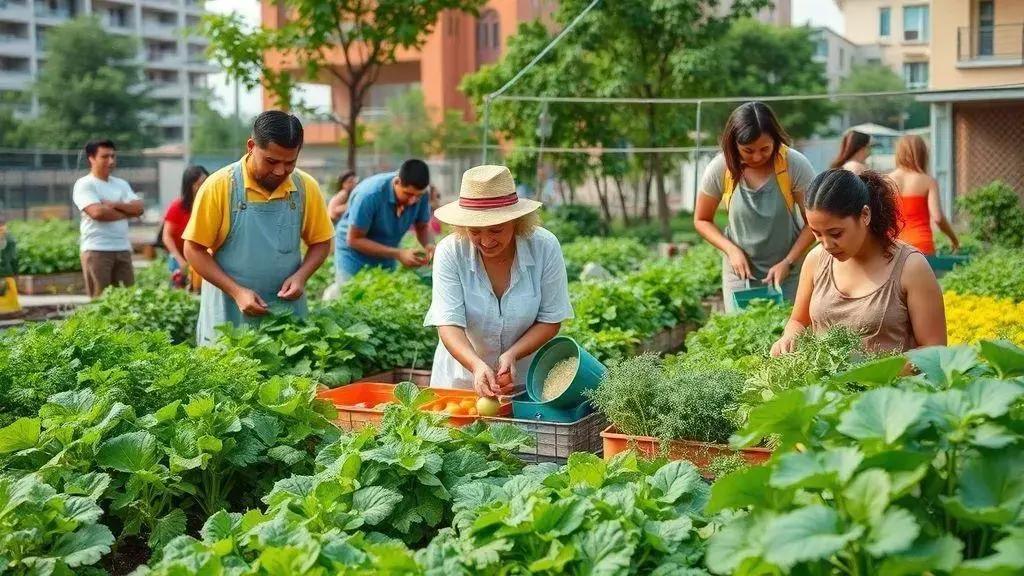
The innovations in urban farming bring numerous benefits to communities and the environment. These advancements address key challenges like food security, sustainability, and urban greening. As more people recognize these advantages, urban farming continues to grow in popularity.
One significant benefit is access to fresh produce. Urban farms enable city dwellers to obtain locally grown fruits and vegetables. This reduces the distance food travels, leading to fresher and more nutritious options.
Environmental Impact
Urban farming also contributes positively to the environment. It helps in minimizing carbon footprints by reducing transportation emissions. Furthermore, these farms can enhance air quality by adding green spaces to urban areas.
- Soil Health: Practices like composting improve soil health, promoting nutrient-rich produce.
- Water Conservation: Innovative irrigation methods in urban farms use significantly less water than traditional farming.
- Pollinator Support: Urban farms can create habitats for bees and other pollinators, supporting biodiversity.
Urban farming technologies also play a role in education. Many farms host workshops and community events that teach residents about sustainable practices. By engaging the community, these farms help spread knowledge about healthy eating and environmental stewardship.
Community Building
Another vital aspect of urban farming is its ability to strengthen communities. Shared gardening spaces foster a sense of belonging. Neighbors come together to plant, grow, and harvest, creating bonds that can last a lifetime.
Urban farming also provides economic opportunities. Small businesses can thrive in this setting, offering jobs and attracting tourists interested in sustainable living. This economic boost is vital for many urban areas seeking revitalization.
How to get started with urban farming
Getting started with urban farming can be an exciting journey. With a few simple steps, anyone can transform their urban space into a productive garden. Whether you have a balcony, a small yard, or even just a windowsill, there are plenty of options for growing your own food.
First, it’s important to assess your available space. Consider what areas receive the most sunlight throughout the day. Most plants thrive with at least 6 hours of sunlight, so choose your location wisely. Understanding your space will help you decide what types of plants to grow.
Choosing the Right Plants
Next, select plants that are suitable for your environment. Beginners often find success with:
- Herbs: Plants like basil, cilantro, and mint are easy to grow and require minimal space.
- Leafy greens: Spinach and lettuce grow quickly and do well in containers.
- Radishes: These root vegetables are fast-growing and perfect for urban gardening.
Once you choose your plants, the next step is to gather the necessary materials. You will need some containers, soil, and seeds or seedlings. For containers, you can use pots made from plastic, ceramic, or even recycled materials. Just ensure they have drainage holes.
Preparing Your Garden
After gathering your materials, prepare your containers by filling them with quality potting soil. This soil provides the right nutrients for your plants to thrive. If you are short on space, consider vertical gardens or hanging planters to maximize your growing area.
Watering is also a critical aspect of caring for your urban garden. Be mindful of your plants’ needs. Overwatering can lead to root rot, while underwatering can stunt growth. A simple rule is to check the top inch of soil; if it feels dry, it’s time to water.
Finally, engage with your local community. Many cities have urban farming groups or classes that offer advice and support for new gardeners. Sharing experiences and tips can enhance your learning and make gardening even more enjoyable.
Success stories in urban farming
Many inspiring success stories in urban farming demonstrate the impact of this movement. These stories highlight how individuals and communities can transform their spaces and achieve sustainability. From small personal gardens to large community projects, urban farming is changing lives.
One notable example is the Brooklyn Grange in New York City. This rooftop farm spans over two acres and produces over 50,000 pounds of organic vegetables each year. It not only provides fresh produce to local restaurants but also educates the community about sustainable farming practices.
Community Impact
Another inspiring story is the Community Farm Alliance in Kentucky. This initiative works with local farmers to build sustainable food systems. They empower communities by providing training and resources, which help people start their own urban farms or gardens. The result is healthier food access and stronger local economies.
- Greensgrow Farms: Located in Philadelphia, this urban farm serves as a model for community engagement. They offer workshops and provide fresh produce to neighborhoods that lack access to healthy food.
- Lauderhill Community Garden: In Florida, this garden brings residents together. They grow fruits and vegetables freely, fostering relationships among neighbors and promoting food justice.
- Urban Roots: Based in Austin, Texas, this program teaches youth about farming. Participants learn valuable skills while cultivating a community garden that supplies food to their local food bank.
The success of these urban farms showcases what can be achieved through collaboration and creativity. Each story not only highlights farming techniques but also the power of community in driving change. Urban farming can turn empty lots into green spaces and bring fresh food to the tables of those who need it most.
FAQ – Frequently Asked Questions about Urban Farming
What is urban farming?
Urban farming is the practice of growing, processing, and distributing food within an urban environment, using small spaces for sustainable food production.
How can I start my own urban farm?
To start an urban farm, assess your available space, choose suitable plants, gather materials like containers and soil, and care for your garden regularly.
What are the benefits of urban farming?
Urban farming provides access to fresh food, encourages community engagement, improves the environment, and creates economic opportunities.
Can urban farming be done in small spaces?
Yes, urban farming can be adapted to small spaces such as balconies or rooftops, using vertical gardening and container gardening techniques.