Workplace wellness programs are initiatives aimed at improving employee health and productivity through activities like fitness classes, health screenings, and mental health support, ultimately fostering a healthier work environment.
Workplace wellness programs are gaining traction as companies recognize the importance of employee well-being. Have you ever wondered how such programs can impact morale and productivity? In this article, we’ll dive into their key benefits and components.
Understanding workplace wellness programs
Understanding workplace wellness programs is essential for companies looking to enhance employee well-being. These programs are designed to support both physical and mental health, creating a more productive workplace. Employers often wonder how these programs can benefit their teams and what components are necessary for success.
Key Elements of Workplace Wellness Programs
Several elements make up effective workplace wellness programs. These components work together to improve employee morale and support overall health.
- Physical Activity: Encouraging regular exercise through fitness classes or gym memberships.
- Nutrition Education: Providing access to healthy food choices and nutrition workshops.
- Mental Health Support: Offering resources like counseling or stress management workshops.
- Health Screenings: Facilitating regular health check-ups to monitor employee health.
Successful workplace wellness programs don’t just focus on physical health; they also consider mental health. By promoting a healthy work-life balance, companies can see increased job satisfaction. Employees who feel supported in both areas are more likely to engage in their work and stay with their employer long-term.
The Importance of Personalization
Customizing wellness programs to meet specific employee needs can significantly enhance their effectiveness. Surveys and feedback can identify the areas most relevant to your workforce. This not only boosts engagement but also makes employees feel valued and understood.
When employees feel that their unique needs are being met, they’re more likely to participate enthusiastically in available programs. This participation can lead to better health outcomes and a happier workplace culture.
In summary, understanding and implementing effective workplace wellness programs involves considering the specific needs of your workforce. By focusing on key elements like physical health, mental well-being, and personalization, companies can create a supportive environment that fosters employee satisfaction and productivity.
Benefits of implementing wellness programs
Implementing wellness programs in the workplace brings significant benefits to both employees and employers. These programs foster a healthier work environment, which can lead to improved overall well-being.
Enhanced Employee Health
One of the most obvious benefits of wellness programs is better employee health. By promoting physical activity and healthy habits, companies can help reduce health risks.
- Lower incidence of chronic diseases.
- Increased energy levels and productivity.
- Improved mental health and reduced stress levels.
Sport activities or health challenges can inspire employees to prioritize their wellness. This creates a culture of health that encourages everyone to participate.
Increased Employee Engagement
Employees who feel that their company cares about their well-being are often more engaged. This leads to a more motivated workforce. When employees understand that they have the support of their employer, they tend to be more loyal and productive.
Companies may notice a reduction in absenteeism and presenteeism as employees feel healthier and more energized to work. Engaging employees through wellness initiatives can result in a dynamic and enthusiastic workplace.
Another considerable benefit is that these programs can enhance team bonding. Participating in group activities fosters relationships among employees, creating a collaborative atmosphere.
In summary, implementing wellness programs delivers numerous advantages, including improved health, increased engagement, and team building. Companies that invest in these programs are likely to see a positive impact on their overall culture and productivity.
Key components of successful programs
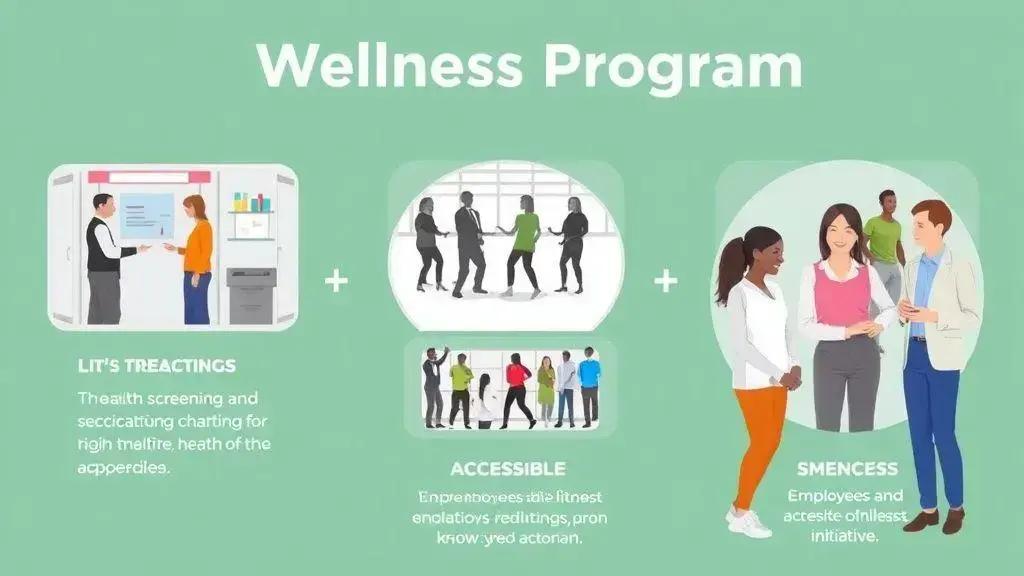
Understanding the key components of successful wellness programs is critical for maximizing their effectiveness. These elements together create a robust framework that supports employee health and productivity.
Comprehensive Health Assessments
A successful wellness program begins with comprehensive health assessments for employees. These assessments help identify individual health risks and provide a baseline for tracking improvements.
- Regular health screenings.
- Personal health coaching.
- Customized health plans based on assessment results.
These assessments empower employees to take charge of their health, making it easier for them to set and meet personal wellness goals.
Accessibility and Inclusion
Accessibility is another critical component. Programs must be inclusive, allowing all employees to participate regardless of their physical abilities or health background.
Providing various activities and resources ensures engagement from everyone. Tailoring options can make the program more appealing to a diverse workforce. This may include:
- Flexible scheduling for activities.
- Online resources for remote employees.
- Programs that cater to different dietary needs.
When employees see that the program meets their unique needs, they are more likely to engage with it, leading to better outcomes for everyone involved.
Additionally, ongoing support and encouragement from management can foster a culture of wellness. Regular communication and acknowledgment of efforts can enhance participation and foster a sense of belonging among employees.
In summary, the key components of successful wellness programs include comprehensive health assessments, accessibility, and ongoing support. These elements work together to create an environment that prioritizes employee well-being, ultimately enhancing workplace culture and productivity.
Challenges in workplace wellness initiatives
Implementing workplace wellness initiatives can come with several challenges that organizations must address to ensure success. Recognizing these issues is the first step toward developing effective solutions.
Employee Participation
One common challenge is getting employees to actively participate in wellness programs. Even when initiatives are available, not everyone may feel inclined to join. Many workers might see these programs as optional or question their relevance.
- Lack of awareness about the programs.
- Perceived inconvenience of scheduling.
- Fear of judgment or discomfort in group settings.
To overcome these hurdles, it’s essential to foster a culture of engagement. This can be done by clearly communicating the benefits of participation and making activities accessible and appealing.
Measuring Effectiveness
Another significant challenge is measuring the effectiveness of wellness initiatives. How do you know if these programs are making a difference? Collecting data can be time-consuming and may not always show immediate results.
Employers need to establish clear metrics for success. These might include metrics like:
- Employee health outcomes and progress.
- Participation rates and feedback.
- Changes in employee satisfaction and productivity levels.
Utilizing surveys and health statistics over time can provide valuable insights, but it requires commitment and resources from the organization.
Moreover, budget constraints can limit the resources available for developing and maintaining comprehensive wellness programs. Allocating funds effectively becomes crucial to ensure the sustainability of these initiatives.
In summary, while challenges in workplace wellness initiatives exist, addressing participation, measurement, and resource allocation is key to creating effective solutions that benefit both employees and employers.
Measuring the success of wellness programs
Measuring the success of wellness programs is crucial for understanding their impact on employees and the overall workplace environment. Employers need effective ways to evaluate if these initiatives are achieving their goals.
Setting Clear Goals
Before measuring success, it’s essential to set clear and specific goals. What do you hope to achieve with your wellness program? Common objectives may include:
- Reducing employee absenteeism.
- Improving employee health metrics.
- Enhancing job satisfaction and morale.
Having defined goals provides a benchmark against which to measure progress. This helps in identifying if the program is fulfilling its intended purpose.
Using Key Performance Indicators (KPIs)
Implementing Key Performance Indicators (KPIs) can help track the effectiveness of wellness initiatives. Some useful KPIs include:
- Participation rates in wellness activities.
- Changes in health outcomes, such as weight loss or reduced blood pressure.
- Employee satisfaction survey results.
These indicators provide valuable insights into how well the programs are received and their overall impact on workplace culture.
Additionally, gathering qualitative feedback from employees can enrich the data. Conducting surveys or focus groups allows employees to share their impressions and suggest improvements. This feedback helps identify areas for enhancement, ensuring the programs remain relevant and effective.
Regularly reviewing this data allows organizations to adjust their wellness offerings based on what works best. A commitment to continual improvement shows employees that their health is a top priority.
In summary, measuring the success of wellness programs involves setting clear goals, using KPIs, and engaging employees for feedback. By focusing on these aspects, employers can ensure their wellness initiatives have a meaningful impact on employee well-being and job satisfaction.
In conclusion, implementing effective workplace wellness programs is essential for promoting employee well-being and creating a positive work environment. These programs not only benefit individual health but also enhance overall productivity and job satisfaction. By understanding the key components, addressing challenges, and measuring success, organizations can cultivate a culture of wellness that leads to happier, healthier employees. Investing in wellness initiatives is not just a trend; it’s a commitment to the future of a thriving workplace.
FAQ – Frequently Asked Questions about Workplace Wellness Programs
What are workplace wellness programs?
Workplace wellness programs are initiatives designed to promote employee health and well-being, offering resources like health screenings, fitness activities, and mental health support.
How do wellness programs benefit employees?
These programs improve employee health, increase job satisfaction, and enhance overall productivity, creating a more positive work environment.
What challenges do employers face when implementing these programs?
Common challenges include getting employee participation, measuring effectiveness, and securing necessary budgets for the initiatives.
How can the success of wellness programs be measured?
Success can be measured using key performance indicators (KPIs), employee feedback, and tracking health outcomes and participation rates.