Virtual reality experiences offer immersive, interactive environments that enhance learning, entertainment, and social interactions through advanced technology and realistic simulations.
Virtual reality experiences are reshaping entertainment and education, providing users with immersive worlds to explore. Have you ever imagined stepping into a different reality? Let’s discover how these technologies can enhance our lives.
Understanding virtual reality technology
Understanding virtual reality technology is essential to grasp the impacts it has on our lives. At its core, virtual reality (VR) creates a simulated environment where users can engage with digital worlds as if they were real. This technology uses special headsets to immerse users in 3D spaces, allowing them to look around, interact, and sometimes even feel elements within the environment.
One of the key components of virtual reality is its hardware and software integration. The technology relies on various devices, including VR headsets, sensors, and controllers, which work together to provide an immersive experience. These components track your movements and replicate them in the virtual space, creating a fluid and engaging experience.
Key Elements of Virtual Reality
Understanding the main elements of VR can enhance your appreciation of how it works:
- Headsets: The primary tool for viewing and interacting with virtual environments.
- Sensors: Devices that track head and body movement, crucial for immersion.
- Controllers: Handheld devices that let users interact with objects in the virtual world.
- Software: Programs designed to create realistic and engaging virtual environments.
Imagine stepping into a video game or an educational simulation. The tech behind VR makes these experiences possible by rendering graphics and scenarios that react to your movements. As you turn your head or move your hands, what you see and how you interact changes seamlessly, making it feel lifelike.
Furthermore, VR has evolved significantly since its inception. It used to be a concept only found in sci-fi movies, but today, it’s a reality in gaming, education, and even therapy. For example, in education, students can travel virtually to historical sites, allowing them to learn interactively. Similarly, in therapy, VR is utilized to help individuals confront fears in a controlled and safe environment.
Benefits of experiencing virtual reality
Experiencing virtual reality comes with numerous benefits that can enhance both entertainment and learning. This technology allows users to engage with their environments in ways that traditional media cannot. With VR, you can explore immersive worlds and scenarios that would otherwise be impossible to experience firsthand.
One of the most significant advantages of VR is its ability to create a sense of presence. When you wear a VR headset, it feels like you are truly in another place. This sensation makes experiences more engaging and memorable, whether it’s for gaming, training, or education.
Key Benefits of Virtual Reality
Here are some key benefits of experiencing virtual reality:
- Enhanced learning: VR provides a unique opportunity for interactive learning, allowing users to visualize and practice complex concepts.
- Increased empathy: Experiencing different perspectives through VR can foster understanding and compassion.
- Safe training environments: VR offers a risk-free way to practice skills in fields like medicine, aviation, and emergency response.
- Entertainment and relaxation: VR can provide an escape from reality, helping users unwind through immersive gaming and virtual travel.
Moreover, VR can transform traditional educational settings. Imagine studying biology by virtually dissecting a frog or exploring the solar system without leaving your classroom. This interactivity makes it easier for students to grasp difficult subjects while keeping them engaged.
In addition to education, VR is revolutionizing how we interact with each other. Social VR platforms allow users to meet and share experiences with people from all over the world. You can attend virtual concerts, explore art galleries, or even participate in meetings, all while feeling like you’re in the same room.
Exploring popular virtual reality applications
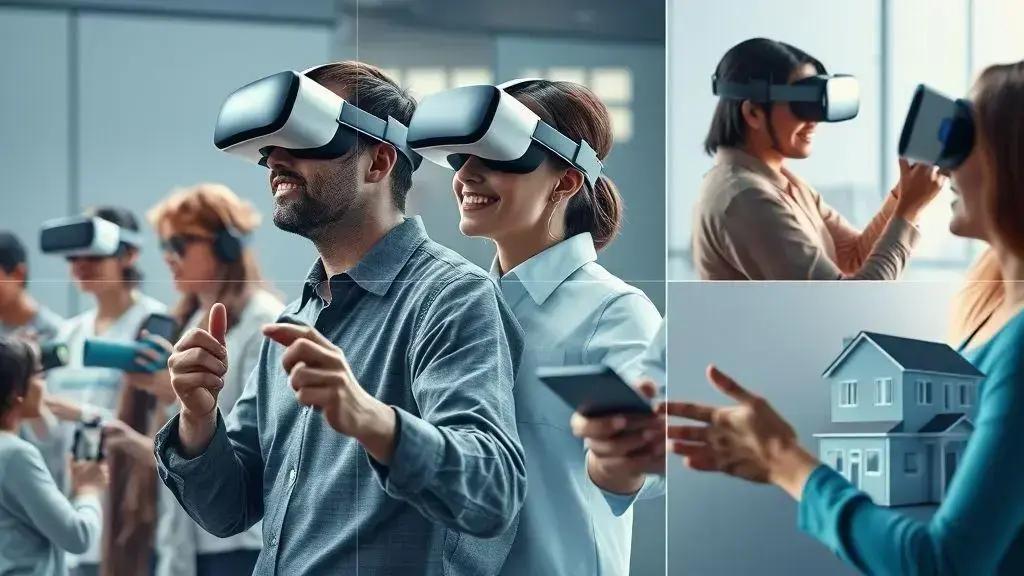
Exploring popular virtual reality applications reveals the vast potential of this technology across various fields. From gaming to education and therapy, VR is changing how we interact with digital content and the world around us. Let’s dive into some exciting areas where VR is making a significant impact.
One of the most well-known applications of virtual reality is in the gaming industry. VR games immerse players in entirely new worlds. Gamers can explore breathtaking landscapes, complete quests, and enjoy interactive experiences that traditional gaming cannot offer.
Top Areas of VR Applications
Here are some key areas where virtual reality is widely used:
- Education: VR allows students to take virtual field trips or visualize complex concepts through interactive simulations.
- Healthcare: Medical professionals use VR for training and to help patients manage pain during procedures.
- Real Estate: VR technology provides virtual tours of properties, helping buyers explore homes without visiting them in person.
- Travel: Virtual reality experiences let users explore new places and cultures without leaving their homes.
In education, VR has transformed the way subjects are taught. Imagine learning about ancient civilizations by visiting a virtual recreation of their cities. This hands-on approach engages students more effectively than traditional textbooks. Similarly, in healthcare, practitioners can practice surgeries in a safe VR environment before working on real patients.
The real estate industry benefits from VR by allowing potential buyers to experience properties through virtual tours. This saves time for both agents and clients, making the home-buying process more efficient. Meanwhile, travel enthusiasts can enjoy virtual experiences that transport them to far-off destinations, from the beaches of Hawaii to the streets of Paris.
Tips for choosing the right virtual reality equipment
Choosing the right virtual reality equipment can be challenging with so many options available. Making the right decision is crucial to ensure a great experience. Here are tips to help you navigate the selection process.
First, consider your purpose for using VR. Are you interested in gaming, education, or fitness? Different applications may require different hardware. For gaming, high-resolution headsets with good graphics are essential. In contrast, educational VR might prioritize ease of use and interactivity.
Factors to Consider
When selecting VR equipment, keep these factors in mind:
- Comfort: It’s important to choose a headset that fits comfortably for extended use.
- Resolution: Higher resolution provides better visuals, which enhances immersion.
- Field of view: A wider field of view can make the experience more realistic.
- Content library: Check the available games and applications to ensure they meet your interests.
Additionally, think about whether you prefer a standalone headset or one that connects to a PC. Standalone units offer convenience, while PC-connected systems often provide higher quality graphics and more robust content.
Before making a purchase, consider trying out different headsets if possible. This hands-on experience can help you assess which model feels right. Look for user reviews and expert opinions to guide your decision further.
Lastly, don’t forget about accessories. Accessories like controllers, sensors, and additional straps can improve your overall experience. Ensure that your chosen equipment is compatible with any accessories you want to use.
Future trends in virtual reality experiences
The future trends in virtual reality experiences are shaping how we interact with digital environments. As technology advances, VR will become more integrated into everyday life, transforming entertainment, education, and more. Innovations are making VR more accessible and engaging for everyone.
One exciting trend is the development of more realistic graphics and physics simulations. This improvement will enhance immersion, making virtual worlds feel nearly indistinguishable from reality. Enhanced haptic feedback is also advancing, allowing users to feel textures and sensations that enhance their experiences.
Emerging Trends to Watch
Here are some emerging trends that could change the way we use virtual reality:
- Augmented Reality (AR) Integration: Combining AR and VR can create mixed-reality experiences, blending the physical world with digital elements.
- Social VR Expansion: More platforms will emerge that focus on social interaction, allowing people to meet and collaborate in virtual spaces.
- Improved Accessibility: Future VR equipment will be more affordable and easier to use, enabling a wider audience to participate.
- AI-Powered Experiences: Artificial intelligence will personalize VR experiences, adapting scenarios based on individual preferences and behavior.
In education, we may see VR become the norm for classrooms, allowing students to explore historical events or conduct scientific experiments in a safe, controlled environment. For example, history lessons could transport students to ancient civilizations, making learning more interactive and exciting.
As we look ahead, the potential applications for VR are limitless. From advanced training simulations for professionals to innovative entertainment experiences that engage our senses fully, the possibilities are vast. Staying informed about these trends will help users make the most out of their virtual reality experiences.
The possibilities of virtual reality are continually expanding, making it an exciting field to watch. As technology improves, VR will undoubtedly enhance experiences in gaming, education, healthcare, and more. Emerging trends like AI integration, augmented reality, and increased accessibility will shape how we interact with virtual environments. Staying informed on these developments can help you make the most of your virtual reality adventures while enjoying all the benefits this technology offers!
FAQ – Frequently Asked Questions about Virtual Reality Experiences
What are the main benefits of using virtual reality?
Virtual reality offers immersive experiences that enhance learning, entertainment, and social interactions, making activities more engaging.
How do I choose the right virtual reality equipment?
Consider comfort, resolution, field of view, and the type of content you want to access when selecting VR equipment.
What are some popular applications of virtual reality?
Popular applications include gaming, education, healthcare training, and virtual tours in real estate and travel.
What future trends should I watch in virtual reality?
Emerging trends include enhanced graphics, AI integration, greater accessibility, and the combination of augmented reality with virtual reality.