Congressional redistricting in 2025 will significantly reshape political representation, impacting local communities through changes in district boundaries, potential gerrymandering, and altered resource allocation.
Congressional redistricting 2025 is set to reshape the political map in ways that could surprise many. Have you considered how these changes might influence your vote or community representation? Let’s dive in!
Understanding congressional redistricting
Understanding congressional redistricting is essential for grasping how political representation works in the United States. This process occurs every ten years after the census, and it plays a critical role in shaping electoral districts.
Redistricting involves redrawing the boundaries of congressional districts. This is not just a technical task; it significantly influences the balance of political power. When lines are drawn, they can benefit one party over another, a process often referred to as gerrymandering. It’s vital to recognize how redistricting can impact which voices are heard in Congress.
Key Factors Influencing Redistricting
Several factors come into play during the redistricting process:
- Population shifts – As demographics change, districts must be adjusted to reflect these movements.
- Legal requirements – States must comply with the Voting Rights Act, ensuring minority representation is not diminished.
- Political strategy – Parties may attempt to draw district lines to favor their electoral outcomes.
It’s necessary to stay informed about who is responsible for drawing these maps. In many states, this task is handled by state legislatures. However, some states have adopted independent commissions to ensure fairness and decrease partisan bias.
The Impact on Communities
Redistricting not only affects politicians but also has real consequences for communities. When districts are drawn, they can split neighborhoods or combine different socioeconomic areas. This may dilute the voting power of particular groups, which can lead to a lack of representation.
Furthermore, understanding congressional redistricting can empower voters. By being aware of potential changes, voters can engage more effectively in their political systems. For example, those in newly drawn districts should familiarize themselves with their new representatives and advocate for their needs.
Key changes anticipated in 2025
Key changes anticipated in 2025 for congressional redistricting will significantly impact the political landscape. As the census data is released, states will begin to redraw district maps, aiming to reflect changes in population and demographics.
One major change expected is the use of advanced technology. Many states are shifting towards utilizing data analytics tools that can provide deeper insights into voter distribution. This might lead to more accurate districting that genuinely represents community interests.
Considerations for Political Parties
Political parties will also play a critical role in redistricting. Given the current political climate, many states may experience intense debates on how to draw district boundaries. Some parties might try to manipulate district lines to secure an advantage.
- Redistricting could lead to increased polarization as districts become more homogenous.
- Watch for potential legal challenges regarding the fairness of district maps.
- Some states might embrace independent commissions to oversee the process, which could enhance fairness.
In addition to technology and political maneuvering, social factors will influence changes in 2025. Advocacy groups will likely increase pressure on lawmakers to consider minority representation. This might lead to districts being drawn in a way that is more inclusive, ensuring that all voices are heard.
Public Awareness and Engagement
Another anticipated change is the heightened public awareness surrounding redistricting. With more information available online, voters can engage and express their opinions about proposed maps. Understanding how their district is drawn will empower citizens to participate more actively in democracy.
In essence, the changes coming in 2025 will reflect both technological advancements and the evolving political environment. Staying informed about these transformations is crucial for voters who want to ensure their representation accurately reflects their communities.
Impact on voter representation
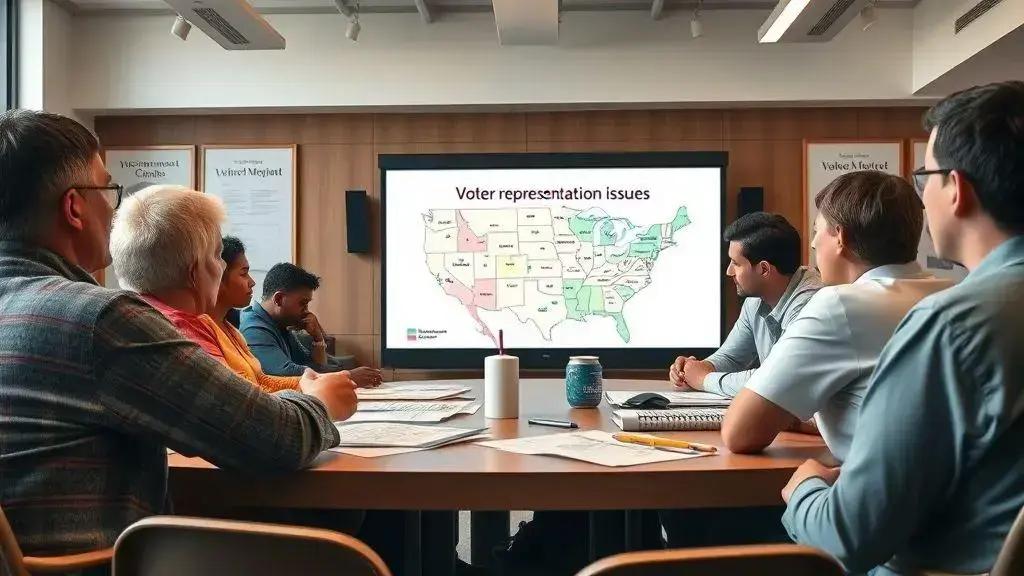
The impact on voter representation due to congressional redistricting is profound and far-reaching. As district boundaries are shifted, the voices of communities can either be enhanced or diminished significantly. This process directly affects who gets elected and which issues are prioritized.
With redistricting, new districts may create opportunities for underrepresented groups. By ensuring fair representation, it’s possible to amplify the concerns of minority populations. This can lead to a more balanced approach in Congress, aligning policies with the needs of a broader audience.
Challenges in Representation
However, redistricting is not without its challenges. Gerrymandering can occur when district lines are drawn to favor a specific political party. This practice can dilute the voting power of certain groups, making it harder for their interests to be represented. It’s critical to watch for:
- The division of communities into multiple districts, weakening their collective voice.
- Creation of oddly shaped districts that do not reflect natural community boundaries.
- Legal battles resulting from unfair redistricting practices.
Beyond gerrymandering, voter turnout can also be influenced by how districts are drawn. If voters feel their districts are unfair, they may become disenchanted and choose not to participate. This lack of engagement can decrease the overall effectiveness of democracy.
Activism and Awareness
In response, many advocacy groups are working to promote fair redistricting practices. These organizations aim to educate the public about the importance of district boundaries. They are also pushing for reforms such as independent commissions that can create fairer maps. When communities are informed about the impact on voter representation, they are empowered to advocate for their interests.
Through a comprehensive understanding of how redistricting affects representation, voters can take action to influence the process. Engaging in discussions, attending public hearings, and contacting representatives are ways to ensure their voices are heard.
How redistricting affects local communities
How redistricting affects local communities is a vital topic to explore, as it directly impacts the daily lives of residents. When congressional district lines are redrawn, the representation of various neighborhoods can change entirely. This can have profound effects on local governance, public services, and community identity.
As districts are redrawn, some communities may find themselves represented by officials who do not prioritize their needs. This change can lead to a loss of focus on critical issues such as education, healthcare, and infrastructure. Residents may feel disconnected from their representatives, which can diminish civic engagement.
Community Fragmentation
One significant consequence of redistricting is community fragmentation. When district lines cut through neighborhoods, it can divide a community into multiple areas. This fragmentation can weaken the collective voice of residents, making it harder for them to advocate for shared interests.
- Diluted influence: When communities are split, their ability to influence local policy decreases.
- Splitting resources: Local services may be stretched thinner as public funding is divided across multiple districts.
- Loss of shared identity: Communities that once had a unified identity may struggle to maintain that sense of belonging.
Moreover, local elections can be significantly affected. The redistricting process can change who runs for office, often narrowing the pool of candidates. This may lead to fewer choices for voters, which can further disengage them from the political process.
Positive Outcomes of Redistricting
On the other hand, redistricting can also result in positive changes for local communities. When done fairly, it can lead to better representation for underrepresented groups. This ensures that diverse voices are included in the decision-making process.
Additionally, community organizations can rally together to advocate for their interests during redistricting. These efforts can foster a stronger sense of community and increased political awareness. When residents actively participate in the redistricting process, they can help shape the boundaries that affect their lives.
Navigating the new political landscape
Navigating the new political landscape after redistricting can be challenging for voters. As district lines change, residents must adapt to new representatives and potentially different political dynamics. Understanding this shift is crucial for engaging in local and national politics.
When district boundaries are redrawn, the representatives elected in those areas may have different priorities and policy agendas. For example, a community that was previously aligned with certain values might find itself represented by officials with entirely different viewpoints. This can lead to confusion and disillusionment among voters.
Adapting to Change
Voters can take proactive steps to navigate these changes. Here are key actions residents can take:
- Research new representatives: Explore who your new elected officials are and what their positions entail.
- Engage in dialogue: Attend town hall meetings or community forums to voice concerns and questions.
- Connect with advocacy groups: Join local organizations that focus on issues important to your community.
Staying informed about changes in local and federal policies will also help citizens adjust. News outlets, community bulletins, and social media are great resources for tracking these developments. Regular engagement with these platforms can enhance understanding of how new policies might impact daily life.
Building Community Coalitions
Additionally, as the political landscape shifts, forming coalitions with neighbors can amplify voices. By organizing with like-minded individuals, communities can more effectively advocate for their interests. Mobilizing around common issues will strengthen the community’s impact in local politics.
Understanding the new dynamics of representation can empower voters to have a say in the government. Active participation creates opportunities for effective communication with representatives and can lead to positive changes that reflect community needs.
FAQ – Frequently Asked Questions about Congressional Redistricting
What is congressional redistricting?
Congressional redistricting is the process of redrawing the boundaries of electoral districts based on population changes every ten years after the census.
How does redistricting affect my local community?
Redistricting can change representation, alter resource allocation, and affect local governance, impacting daily lives and political engagement.
What is gerrymandering?
Gerrymandering is the manipulation of district boundaries to favor one political party over another, which can dilute the voting power of certain communities.
How can I stay involved during the redistricting process?
You can stay involved by attending community meetings, researching new representatives, and connecting with advocacy groups to advocate for fair practices.