Edge computing enhances data processing by bringing computation closer to devices, improving speed, efficiency, and responsiveness, while enabling real-time insights for businesses across various industries.
Edge computing developments are changing the landscape of data processing by bringing computation and data storage closer to the devices that generate data. Have you ever wondered how this revolutionizes industries?
Understanding edge computing
Understanding edge computing is crucial in today’s rapidly advancing tech landscape. This technology significantly improves how data is processed by moving computation and data storage closer to the endpoints, such as devices and sensors.
This localized approach reduces latency, improves speed, and enhances performance. In this section, we will explore the core concepts and advantages of edge computing.
Key Concepts of Edge Computing
Edge computing is about leveraging data processing at the edge of the network, instead of relying solely on centralized data centers. It involves smart devices connected through the Internet of Things (IoT) that generate and collect data.
- Reduces the distance data must travel
- Enhances real-time data processing
- Minimizes bandwidth usage
By understanding these key concepts, businesses can better utilize edge computing to improve efficiency and responsiveness. With the rise of smart technologies, this model becomes increasingly important.
Moreover, the integration of edge computing can lead to innovations across various sectors like manufacturing, healthcare, and transportation. For example, in healthcare, real-time data processing can lead to faster patient care and better resource management.
Advantages of Edge Computing
There are several advantages associated with adopting edge computing, particularly regarding latency and bandwidth.
- Lower latency: Data is processed near the source, ensuring quicker responses.
- Improved bandwidth: Reduces the amount of data sent to central servers, optimizing network usage.
- Enhanced security: Localized data processing minimizes the risk of data breaches.
As more devices come online, the need for efficient data processing becomes critical. Adopting edge computing not only meets this need but also paves the way for a more robust digital infrastructure.
Key benefits of edge computing
Key benefits of edge computing are reshaping how businesses approach data processing and management. By decentralizing data operations, organizations gain quicker access to necessary information, which can greatly enhance decision-making.
This shift reduces the load on central servers and decreases latency, allowing real-time data processing. As a result, industries can respond faster to changing conditions and customer needs.
Improved Speed and Efficiency
One of the primary advantages of edge computing is its ability to improve speed and efficiency. Data is processed close to where it is generated, minimizing the time taken for data to travel.
- Faster response times
- Lower latency in data processing
- Streamlined operations
These benefits are especially valuable for applications that require immediate action, such as autonomous vehicles or real-time monitoring systems.
Moreover, when data is processed at the edge, there is less strain on bandwidth. This facilitates better performance across devices and networks, vital for businesses relying on the Internet of Things (IoT).
Cost Reduction
Adopting edge computing can also lead to significant cost savings. By processing data closer to its source, companies may reduce expenses related to data transmission and storage.
- Decreased bandwidth costs
- Lower energy consumption
- Reduced need for extensive data center infrastructure
As organizations increasingly move to cloud-based solutions, edge computing allows them to balance loads effectively, thereby optimizing their overall IT expenditure.
Organizations benefit from enhanced security features as data remains closer to its origin. This localized approach can minimize the risks associated with data breaches, making edge computing a safer choice for many industries.
Latest trends in edge computing developments
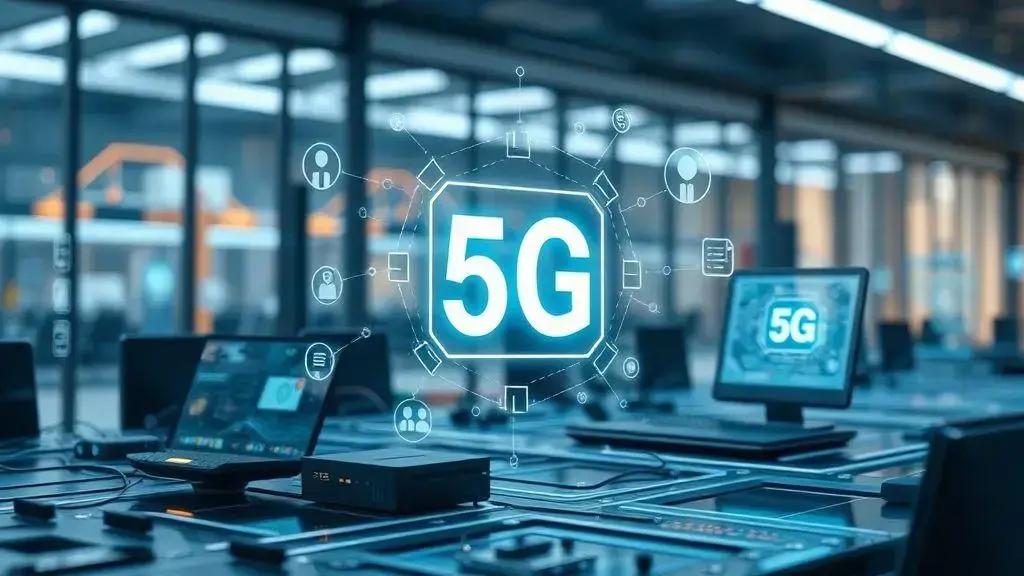
The latest trends in edge computing developments are transforming how data is processed and utilized across various industries. As technology evolves, these trends offer exciting prospects for faster and more efficient operations.
Organizations are increasingly adopting edge computing solutions to improve their services. This shift enhances real-time data analysis, allowing businesses to make quick decisions based on current information.
Integration of Artificial Intelligence
One significant trend is the integration of artificial intelligence (AI) with edge computing. This combination allows for smarter data processing and analysis at the edge.
- AI algorithms analyze data as it is generated.
- This reduces the need for massive data transfers to cloud servers.
- Real-time insights lead to immediate actions, enhancing responsiveness.
By leveraging AI, businesses can uncover valuable insights, helping them streamline their processes while saving time and resources.
5G Technology Adoption
The rollout of 5G technology is another pivotal trend in edge computing developments. With faster data transfer rates and lower latency, 5G enables more devices to connect and communicate seamlessly.
- 5G enhances the performance of IoT devices connected at the edge.
- This facilitates higher data volumes with improved reliability.
- Real-time communication becomes a reality, providing remarkable application opportunities.
As 5G continues to spread, industries like healthcare, automotive, and smart cities can take advantage of these capabilities to enhance their services.
Furthermore, companies are implementing more robust security measures at the edge. Protecting sensitive data is becoming increasingly important. Solutions that enhance cybersecurity are critical as more devices become interconnected.
Challenges in implementing edge computing
Implementing edge computing presents several challenges that organizations must navigate. As businesses shift their strategies to adopt this technology, understanding these hurdles is crucial for successful implementation.
One major challenge is the complexity of integrating edge computing with existing IT infrastructure. Many organizations have traditional systems that may not easily adapt to new edge technologies.
Data Security Concerns
Data security is another significant concern. As data is processed closer to its source, vulnerabilities may arise at multiple points in the network.
- More endpoints can lead to increased risk of breaches.
- Ensuring data is encrypted and secure during transmission is essential.
- Organizations must implement robust security protocols at the edge.
By prioritizing security measures, companies can mitigate risks associated with edge computing.
Managing Resources and Costs
Resource management and costs also pose challenges. Deploying edge computing solutions often requires significant initial investment.
- Organizations may face expenses for new hardware and software.
- Skills training for employees on new technologies can also incur costs.
- Balancing operational demands with budgeting is key.
As edge computing continues to develop, companies need to carefully consider their resource allocation to maximize the benefits of this technology.
Moreover, maintaining consistency in data across centralized and edge systems can create operational difficulties. Ensuring that data remains accurate and synchronized can be a complex task for IT teams.
Future of edge computing technology
The future of edge computing technology looks promising as innovations continue to develop. This technology is expected to play a vital role in various fields, including healthcare, manufacturing, and smart cities. By processing data closer to its source, edge computing enhances efficiency and responsiveness for businesses.
As we move forward, more industries will adopt edge computing solutions, improving their operational capabilities. With the increasing number of connected devices, the demand for fast and efficient data processing will continue to rise.
Advancements in Artificial Intelligence
One significant trend is the advancement of artificial intelligence (AI) at the edge. AI paired with edge computing enables smarter analytics and decision-making without delays.
- AI algorithms can analyze data in real time.
- Businesses can automate processes and enhance customer experiences.
- Enhanced predictions and insights will drive informed decisions.
The combination of AI and edge computing creates new opportunities for innovation across sectors.
Growing Role of IoT Devices
The Internet of Things (IoT) will also continue to expand, with more devices connecting to edge networks. This growth leads to increased data generation and requires efficient processing systems.
- More devices mean more data points for analysis.
- Edge computing can help manage the data influx effectively.
- Real-time monitoring will become more accessible and reliable.
As IoT devices become more prevalent, organizations need to embrace edge computing to handle the complexities of data management.
Moreover, there will be a push for improved security measures, ensuring that data remains protected at all levels. This focus on security will influence how organizations approach edge computing technology implementation, helping to build trust with their users.
FAQ – Frequently Asked Questions about Edge Computing
What is edge computing?
Edge computing is a technology that processes data closer to its source, rather than relying on centralized data centers. This approach reduces latency and improves response times.
What are the main benefits of edge computing?
The main benefits include improved speed and efficiency, cost reduction, enhanced security, and better management of real-time data from IoT devices.
What challenges do businesses face when implementing edge computing?
Challenges include integrating edge solutions with existing IT infrastructure, ensuring data security, managing resources, and maintaining data consistency across platforms.
How will edge computing evolve in the future?
Edge computing is expected to grow with advancements in AI, increased IoT device usage, and a greater focus on security. This will enhance data processing capabilities across various industries.