Voter ID laws require citizens to present specific forms of identification at the polls, which can vary by state and significantly impact voter participation and access to the electoral process.
Voter ID laws 2025 are shaking up the voting landscape across the country. Have you ever wondered how these changes might affect your right to vote? Let’s dive into what these laws entail and their implications for you.
Understanding voter ID laws
Understanding voter ID laws is essential for anyone participating in elections. These laws dictate what identification is required to vote, and they can vary widely across states. It’s important to know what you need to avoid issues at the polls.
What are voter ID laws?
Voter ID laws are regulations that require voters to present specific forms of identification to cast their ballot. These laws exist in various forms across the United States. Some states require a photo ID, while others accept non-photo identification.
Types of voter ID laws
There are generally three types of voter ID laws:
- Strict photo ID laws: Voters must present a government-issued photo ID.
- Non-photo ID laws: Voters can use non-photo identification, such as a utility bill, to verify their identity.
- No ID required: Some states do not require any identification to vote.
Each type has different implications for how easily people can vote. Understanding your state’s requirements can help you prepare for election day. Not having the right ID could mean the difference between voting and being turned away.
Moreover, voter ID laws have sparked numerous debates. Proponents argue that they prevent fraud and ensure election integrity. Critics, however, say these laws can disenfranchise voters, especially those from marginalized communities who may not possess the required IDs.
Impact on voters
The impact of voter ID laws on different populations is significant. Studies have shown that stricter ID laws can lower voter turnout, particularly among minorities, the elderly, and low-income individuals. Being aware of the possible effects of these laws is crucial for understanding the broader implications for democracy.
As you prepare for elections, always double-check what identification you may need to bring. This simple step can ensure you’re ready to voice your opinion without any last-minute surprises.
Recent changes in 2025
Recent changes in voter ID laws in 2025 have had a significant impact on how citizens participate in elections. It’s essential to stay informed about these updates, as they can affect voter access and rights.
Overview of the 2025 changes
This year, several states have enacted new legislation aimed at reforming voter ID laws. Some have tightened requirements, while others have sought to make voting easier by loosening ID restrictions. Understanding these changes is critical for voters.
Key updates include:
- Increased ID requirements: Certain states now require voters to present a government-issued photo ID to vote.
- New exemptions: Some states have introduced exemptions for certain populations, such as low-income individuals or the elderly.
- Online ID verification: More states are permitting online verification methods, allowing voters to confirm their identity electronically.
These modifications can create confusion among voters. Knowing what is currently required in your state can help you prepare and avoid any issues when voting.
As we see varying approaches to voter ID laws, it’s crucial to assess how these changes affect voter turnout. For instance, states implementing stricter laws often report lower participation rates. This raises questions about accessibility and fairness in the electoral process.
Additionally, advocacy groups are actively monitoring these changes, pushing for transparency and fairness in how laws are applied. Keeping an eye on advocacy efforts can provide insights into ongoing legal challenges and proposed reforms related to voter ID laws.
Impact on voter participation
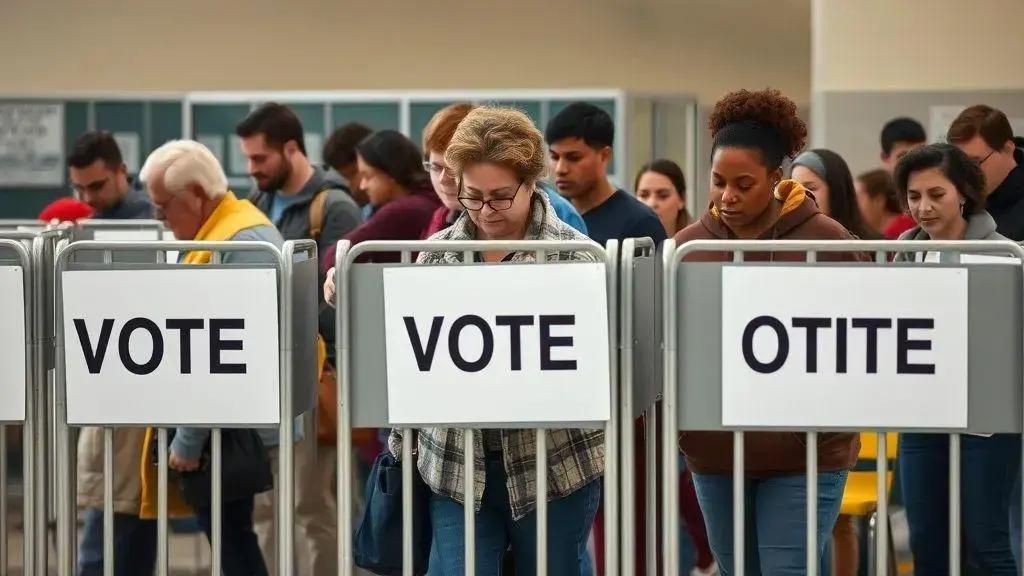
The impact on voter participation from changes in voter ID laws can be significant. Laws that are too strict can discourage eligible voters from casting their ballots.
Effects of stricter ID laws
When states impose stricter regulations, they often see a drop in voter turnout, particularly among specific groups. This includes minorities, the elderly, and those living in poverty, who may struggle to obtain the required identification.
Key factors influencing participation:
- Accessibility: If getting an ID is difficult, people are less likely to vote.
- Awareness: Many eligible voters are not informed about the ID requirements.
- Voter education: Programs aimed at educating voters can help mitigate the impacts of ID laws.
- Legal challenges: Ongoing lawsuits against strict laws can also affect voter turnout.
In contrast, states that have loosened ID requirements may experience increased turnout. When voters feel assured they can participate without hassle, they are more likely to show up at the polls.
Moreover, studies have shown that even the fear of ID laws can suppress participation. People may choose not to vote at all if they worry about being unable to provide the right identification. This creates a ripple effect that undermines the democratic process and raises concerns about representation.
Furthermore, advocacy groups continuously push for reforms that protect voter participation. Their efforts focus on ensuring that every eligible citizen can vote without unnecessary barriers. As more citizens become aware of these issues, active discussions about voting rights and access are becoming increasingly important.
State-by-state analysis
A state-by-state analysis of voter ID laws reveals a patchwork of regulations across the United States. Each state implements its own rules, which can create confusion among voters.
Understanding state differences
Some states have strict ID laws, requiring voters to present government-issued identification. Others have more lenient rules that accept a broader range of identifiers. This variation can significantly affect voter turnout.
Key differences include:
- Strict ID states: States like Georgia and Indiana require voters to show a photo ID.
- Non-photo ID states: States like Ohio allow non-photo identification, such as utility bills or bank statements.
- No ID required: Some states, including California and New York, do not require an ID at all.
The differences in these laws highlight the need for voters to be informed about what is required in their state. For instance, residents in strict ID states must ensure they have the correct form of ID before heading to the polls.
Moreover, state-by-state analysis helps identify trends. For example, states with easier ID requirements often report higher voter participation rates. This suggests that making it easier to vote may encourage more citizens to engage in the electoral process.
Advocacy groups frequently analyze these laws and their impacts to work towards removing barriers for voters. Efforts include lobbying for more flexible ID requirements and raising awareness about the existing laws.
Tips for navigating ID requirements
Navigating ID requirements can be challenging, especially with varying laws in different states. Being prepared can make your voting experience smooth and hassle-free.
Stay informed about your state’s laws
Understanding the specific ID requirements in your state is crucial. Each state has different rules about what forms of identification are acceptable. This means you should check your local election office’s website for the most accurate and current information.
What to bring on election day:
- Check your ID: Always ensure your ID is valid and meets your state’s criteria.
- Bring multiple forms of ID: If you’re unsure, carrying an additional identification form can be helpful.
- Know your voter registration: Bring anything that verifies your voter registration status if possible.
By preparing these items beforehand, you can avoid unnecessary stress at the polling place. It’s also wise to plan your visit during non-peak hours to reduce wait times.
Another vital tip is to familiarize yourself with the voting process in your area. Understanding how to find your polling place and how the voting process works will enhance your confidence as a voter.
Lastly, consider reaching out to local advocacy groups. They often provide resources and assistance regarding ID requirements and can help fill in any gaps in knowledge you may encounter.
voter ID laws is crucial for everyone who wants to participate in elections. It’s important to stay informed about the requirements in your state and to prepare well before election day. With the right information and resources, you can easily navigate these laws and ensure that your voice is heard. Remember to check your ID, be aware of the voting process, and reach out for help if needed. Your vote matters and being prepared makes all the difference!
FAQ – Frequently Asked Questions about Voter ID Laws
What are voter ID laws?
Voter ID laws require voters to present specific forms of identification in order to vote, varying by state.
Why do voter ID laws matter?
These laws can affect who can vote, impacting voter participation and the overall democratic process.
What should I bring on election day?
Make sure to bring the required form of ID for your state and consider having a backup form of identification just in case.
How can I find out my state’s ID requirements?
You can check your local election office’s website for the most current and accurate information on ID requirements.