The California redistricting measure involves the systematic redrawing of electoral district boundaries to reflect population changes, ensuring fair representation while addressing demographic shifts and community needs.
The California redistricting measure has sparked significant discussion about its influence on political dynamics. Have you considered how these changes could reshape voter representation in your area? Let’s delve into the details.
Understanding the California redistricting process
Understanding the California redistricting process is essential for grasping how political representation works in the state. Every ten years, California undergoes this process following the census, and it can significantly influence the electoral landscape.
The process starts with the collection of data from the census, which provides the population numbers necessary for determining district boundaries. This phase is crucial as it ensures that all communities have fair representation. A key aspect is maintaining an equal population across districts, which helps prevent any area from being over- or under-represented.
The Role of the California Redistricting Commission
The California Redistricting Commission plays a vital role in the redistricting process. This independent commission is responsible for drawing the new district lines, emphasizing transparency and community input.
- The commission consists of 14 members.
- It includes five Democrats, five Republicans, and four members from other parties.
- Public hearings are held to gather input and feedback.
- Maps are drawn based on demographic data and community interests.
Once the commission completes the draft maps, they undergo rigorous review and adjustment based on public comments. This collaboration ensures that the final district lines fairly represent various communities. The approval of these maps is crucial as they directly impact voting districts for the next decade.
Legal Challenges and Changes
However, the redistricting process isn’t without challenges. Legal battles often arise, questioning the fairness of the drawn maps. For example, groups may argue that certain districts favor one political party over another. California’s history has seen numerous adjustments to redistricting laws to address these concerns, making the process an evolving effort to achieve fair representation.
Additionally, changes in population dynamics and migration trends can affect redistricting outcomes. As communities shift, redistricting must adapt to ensure each district truly reflects its constituents.
Through ongoing discussion and community involvement, the California redistricting process aims to create a more equitable democratic system. As residents engage with this process, they play a crucial role in shaping their political landscape.
Key changes in the latest measure
Key changes in the latest California redistricting measure have significant implications for voters and the political landscape. Each new measure aims to adapt to population shifts and demographic changes, ensuring fairer representation.
This latest round of redistricting reflects various adjustments that impact district lines and voter access. One notable change is the focus on community boundaries. This helps to keep neighborhoods intact, allowing residents to have a stronger voice in their representation.
Enhanced Transparency and Public Input
The latest measure emphasizes greater transparency in the redistricting process. By incorporating more public hearings, residents now have increased opportunities to express their views about proposed district maps.
- More public forums are available for community feedback.
- Access to draft maps and proposal documents is improved.
- The time frame for public reviews has been extended.
- Technology is utilized for virtual participation.
This enhanced public input ensures that a wider range of voices can be heard, making the redistricting process more democratic. Voters can engage directly and help shape the representation that reflects their communities best.
Redrawing District Lines
Another key change involves the redrawing of district lines to reflect current demographics. The previous maps may not have accurately represented the population, leading to potential disparities in voter influence. By redrawing these lines, the measure addresses population growth in urban areas and declines in others, aiming for balanced representation.
These adjustments also consider factors like the Voting Rights Act, protecting the rights of minority groups. Ensuring that districts allow for fair representation is central to fostering a diverse and inclusive political environment.
Overall, the adjustments in this latest measure highlight a commitment to more equitable representation in California. As these changes are implemented, the effects on future elections and political dynamics will be closely monitored.
How redistricting affects local politics
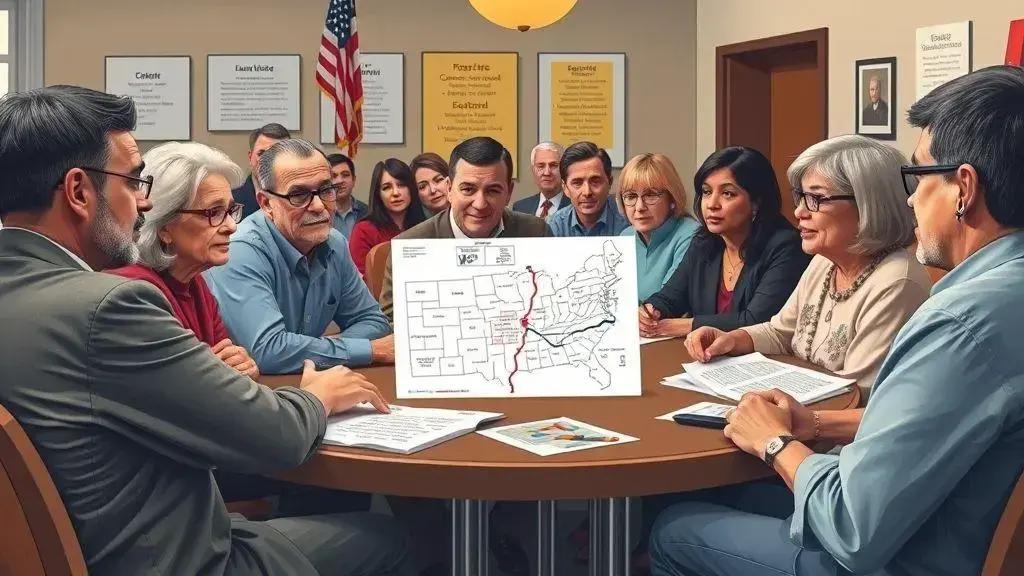
Understanding how redistricting affects local politics is crucial for voters and community members alike. The redistricting process can shift political power and change the dynamics of elections, often with far-reaching consequences.
When district boundaries are redrawn, the makeup of neighborhoods can change significantly. This may result in new representatives who may not fully understand or reflect the needs of the communities they serve. Such shifts can lead to increased voter disenfranchisement if constituents feel disconnected from their elected officials.
Impact on Representation
The adjustments in district lines directly influence the diversity of representation within local governments. For example, if urban areas are combined with rural districts, the interests of one group may overshadow those of another.
- Suburban and urban voters may have different priorities.
- Minority communities can experience either enhanced or diminished influence based on district changes.
- Women and younger candidates may find it harder to win in newly drawn districts.
- Incumbent officials may face more competitive challenges due to altered voter bases.
These shifts can create significant competition among candidates and potentially lead to more dynamic local elections. However, if changes result in unfair advantages for certain parties, it poses risks for democratic representation.
Voter Turnout and Engagement
Redistricting can also influence voter turnout and engagement. When districts change, people may feel uncertain about their voting power. This can lead to lower turnout among groups who feel less connected to their new representatives.
Communities that see significant changes in their district lines may need time to adjust. Education about the new representation can help rebuild trust and encourage participation in the electoral process.
Moreover, local organizations and advocacy groups play a vital role in mobilizing voters post-redistricting. By informing residents about their rights and the importance of participating in elections, they can help ensure that every voice is heard.
Implications for voter representation
The implications for voter representation following redistricting are profound and far-reaching. As district boundaries shift, so too do the voices that are amplified or muted within the political arena. It’s essential to understand how these changes can impact voters at a local and state level.
With newly drawn districts, the representation of various communities may see significant shifts. Some neighborhoods may find themselves grouped with areas that have different needs and concerns, which can dilute their influence in local governance. Many voters may feel disconnected from their representatives, raising questions about whether their interests are being adequately represented.
Potential Effects on Minority Communities
Redistricting can greatly affect minority communities. When district lines are manipulated, it can lead to either enhanced representation or greater underrepresentation.
- Consolidating minority populations into fewer districts can ensure they have a stronger voice.
- On the other hand, dispersing these communities across wider districts can diminish their influence.
- Effective representation is crucial for addressing specific issues faced by these groups.
- Engagement in the redistricting process can help safeguard their voting power.
Ultimately, the process of how these lines are drawn must consider the unique demographics within communities. Fair representation is key to fostering inclusive policies that reflect a diverse population.
Impact on Local Elections
The implications of redistricting also extend to local elections. Changes in district lines can lead to different candidates running, altering the political landscape significantly. This might open opportunities for new voices to enter the political conversation, but it can also lead to increased competition.
When voters are situated in more competitive districts, they may have a greater choice in elections. However, this can also mean that incumbents face harder challenges, potentially destabilizing existing political structures. Voter turnout is often affected by these changes, as people become unsure about how to engage with their new political environment.
Understanding the implications for voter representation is vital to ensuring a democratic process that works for everyone. With active engagement from communities, there is a possibility to shape outcomes that reflect the diverse needs of the population.
Future challenges in California redistricting
Future challenges in California redistricting are poised to shape how electoral maps are drawn and how representation is achieved. As demographics and communities evolve, so too must the strategies used to create fair and balanced districts.
One of the main challenges ahead includes ensuring that the redistricting process remains transparent and inclusive. As political interest grows, there is a pressing need for continued public engagement. Without active involvement from the community, the risk of gerrymandering increases, potentially leading to unfair advantages for particular political parties.
Adapting to Changing Demographics
California’s diverse population is ever-changing. As new residents move into the state, it is essential to reflect these demographics accurately in electoral maps. Changing demographics can complicate the redistricting process, especially in urban areas where population density fluctuates rapidly.
- Monitoring population shifts will be critical in determining district boundaries.
- Addressing the needs of minority communities must remain a priority.
- Technological advancements should aid in mapping and analyzing demographic data.
- Keeping communities united is essential for effective representation.
Additionally, balancing the interests of various communities while respecting historical boundaries is a complex task. Engaging local groups to gather insights and feedback will help ensure that redistricting considers the unique fabric of each community.
Legal and Political Pressures
Legal challenges also loom large in the future of redistricting. Previous measures have resulted in lawsuits over alleged unfair practices and misrepresentation of communities. As new maps are created, they will likely face scrutiny in the courts. This creates uncertainty in the political landscape.
Political pressures will also play a role. As every election cycle approaches, the stakes of redistricting become more pronounced. Political groups may attempt to influence the redistricting process to favor specific outcomes. To combat this, maintaining a nonpartisan approach in the redistricting process is vital.
Overall, understanding the future challenges in California redistricting will be essential for voters and community members. Engaging with the process will empower citizens and lead to a more representative democracy.
FAQ – Frequently Asked Questions about California Redistricting
What is redistricting?
Redistricting is the process of redrawing electoral district boundaries to reflect changes in population and ensure fair representation.
How does redistricting affect my vote?
Changes in district boundaries can impact which candidates represent you and may change the demographic makeup of your voting community.
Why is community engagement important in redistricting?
Community engagement ensures that the mapping process reflects the needs and interests of local residents, preventing political manipulation.
What are the potential challenges in redistricting?
Challenges include legal disputes over district maps, ensuring equitable representation for all communities, and adapting to changing demographics.