Affordable housing initiatives are essential programs that provide cost-effective housing solutions, promoting community stability, reducing homelessness, and fostering diversity in neighborhoods.
Affordable housing initiatives play a crucial role in ensuring that everyone has a place to call home. Have you considered how these initiatives can change the lives of families and strengthen neighborhoods? Let’s dive into the impact they can have.
Understanding affordable housing initiatives
Understanding affordable housing initiatives is essential for anyone interested in creating better living conditions for communities. These initiatives aim to provide safe and quality housing at a price that is manageable for low-income families.
Different programs and strategies are in place to help cities develop affordable housing. A city might introduce policies that incentivize developers to create more affordable units. These can include tax breaks or zoning changes that allow for higher density.
Key Components of Affordable Housing Initiatives
Several key components help make these initiatives successful:
- Funding: Proper funding is critical for the development and maintenance of affordable housing.
- Community involvement: Engaging with local residents ensures that the needs of the community are met.
- Partnerships: Collaboration with non-profits and private sectors can enhance resources and expertise.
Additionally, cities often look for innovative solutions to address housing shortages. For example, some areas have experimented with tiny houses or modular homes as cost-effective alternatives.
Benefits of Understanding These Initiatives
When communities grasp what affordable housing initiatives entail, they can better advocate for policies that enhance living conditions. People begin to see how these programs contribute to economic growth and social stability. Furthermore, understanding these initiatives allows residents to participate actively in discussions about local development.
Education on this topic also helps dispel myths surrounding affordable housing, making it clear that these initiatives are not just about building houses but also about enriching lives and fostering community connections. By supporting such efforts, we pave the way for more inclusive cities where everyone can thrive.
Key benefits of affordable housing
There are numerous key benefits of affordable housing that go beyond simply providing shelter. When families have access to affordable housing, they can focus more on their well-being and future. This leads to healthier communities overall.
One major advantage is economic stability for low-income families. With lower housing costs, families can allocate their budget to education, healthcare, and savings. This financial flexibility leads to a higher quality of life.
Positive Impacts on the Community
Affordable housing also contributes to community growth. When people can afford homes, stability is achieved in neighborhoods. As a result, we see:
- Reduced homelessness: More people have roofs over their heads, which reduces the number of individuals experiencing homelessness.
- Improved local economies: Affordable housing can lead to increased spending in local businesses.
- Stronger community ties: With stable housing, residents often participate more in local events and initiatives.
Moreover, the presence of affordable housing can enhance property values in the surrounding areas. When neighborhoods are vibrant and diverse, it attracts new residents and businesses.
Social Benefits
Providing affordable housing will also reflect on social aspects. For instance, when families live in stable environments, children tend to perform better in school and have access to better educational opportunities.
Additionally, affordable housing promotes diversity. Communities become richer when they include various income levels, cultures, and backgrounds. This can lead to more understanding and cooperation among residents. As people of different backgrounds connect, they can enrich community culture.
Ultimately, the ripple effects of affordable housing stretch far beyond just providing a place to live. Each benefit feeds into another, creating a positive cycle for families and communities alike.
Successful case studies in diverse communities
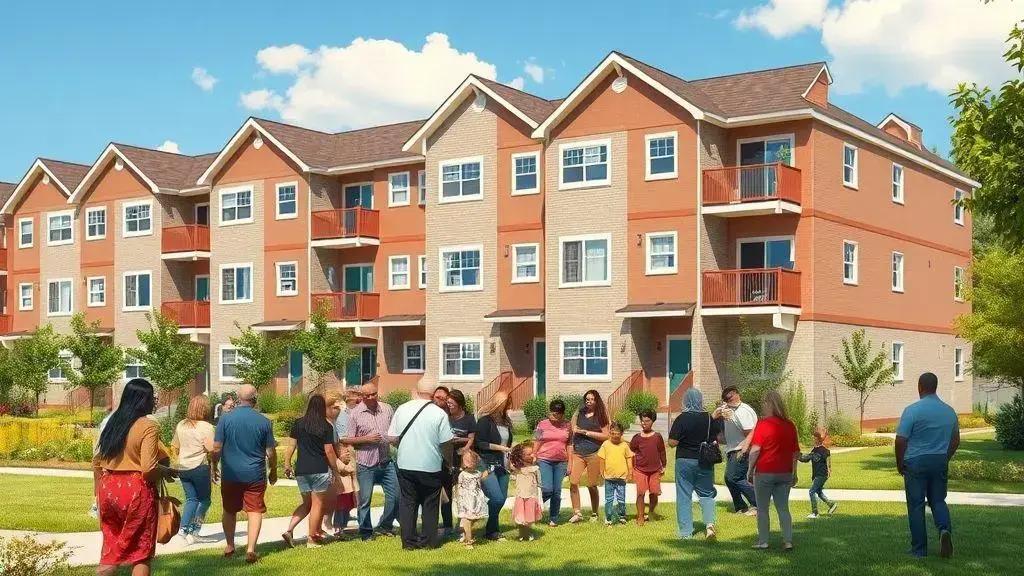
Successful case studies in diverse communities highlight the effectiveness of affordable housing initiatives. These examples show how strategically planned housing projects can revitalize neighborhoods and improve lives.
One notable case is found in San Francisco. The Affordable Housing Program in the Bay Area has transformed areas that were once blighted. Through public and private partnerships, new mixed-income housing developments emerged, fostering diversity and attracting businesses.
Community Impact
In Brooklyn, New York, the Atlantic Yards Project is another successful example. This initiative created a vibrant community hub with:
- Increased local employment: With new stores and services, locals benefited from job opportunities.
- Local engagement: Community events and activities garnered resident participation.
- Diverse housing options: A mix of low-income and market-rate housing made the neighborhood inclusive.
Similarly, in Chicago, the Woodlawn Community Development Corporation showcases the benefits of re-investing in affordable housing. This organization focused on restoring and building homes, which resulted in:
- Enhanced safety: Improved neighborhood conditions led to lower crime rates.
- Better education: More families moved in, leading to an increase in school enrollment and academic performance.
- Community pride: Residents took pride in their homes and neighborhoods, strengthening relationships.
These case studies demonstrate that when cities invest in affordable housing, they not only provide homes but also create opportunities for community growth and social cohesion. By learning from these successful examples, other communities can replicate these strategies to enhance their own living conditions.
Challenges faced by affordable housing projects
Affordable housing projects often encounter various challenges that can hinder their success. Understanding these hurdles is essential for creating effective solutions.
One major challenge is funding. Securing adequate financial support is vital for the development and maintenance of affordable housing. Many projects rely on government grants, loans, and private investments. Difficulty in obtaining these funds can delay or even halt projects.
Regulatory Barriers
Another significant hurdle is navigating local zoning laws and regulations. These rules can restrict the type and amount of housing that can be built. In many cases, communities resist new developments due to fears of changing neighborhood character or property values. This opposition can slow down approval processes and increase costs.
Community Engagement
Engaging with the community effectively is necessary but often challenging. Many residents may have misconceptions about affordable housing. They might wrongly believe that it lowers property values or brings crime. Addressing these concerns requires active communication and involvement from developers.
Moreover, construction and labor issues also pose significant challenges. A shortage of skilled labor can lead to delays. Additionally, fluctuating material costs can impact overall project budgets. These factors can make it difficult to deliver affordable housing that meets quality standards while still remaining affordable.
Finally, the ongoing maintenance of affordable housing is often overlooked. Ensuring that properties remain safe and desirable is crucial for long-term success. Insufficient maintenance can lead to a decline in living conditions, which may result in higher turnover rates.
By recognizing and addressing these challenges, stakeholders can better navigate the complexities of developing affordable housing and ultimately create sustainable living solutions for communities.
Future trends in affordable housing initiatives
The future of affordable housing initiatives is evolving rapidly. As communities face new challenges, innovative solutions are emerging to meet the needs of low-income families. Understanding these trends is essential for stakeholders invested in housing.
One significant trend is the integration of technology in housing development. Smart homes are becoming more popular, allowing residents to manage energy costs effectively. By using technology, homes can become more efficient, leading to lower utility bills.
Community-Led Development
Another growing trend is the push for community-led development. More neighborhoods are advocating for projects that reflect their unique needs. Residents are increasingly involved in planning and decision-making processes. This transparency builds trust and ensures that housing developments are in line with community values.
Increased Focus on Sustainability
Sustainability is a crucial consideration in future affordable housing. Developers are looking for ways to use eco-friendly materials and energy-efficient designs. Options like solar panels are gaining traction, which can lower long-term costs for residents while helping the environment.
Additionally, mixed-use developments are on the rise. These projects combine residential, commercial, and recreational spaces. They create vibrant, walkable communities where people can live, work, and play. This integration reduces transportation costs and fosters a sense of belonging among residents.
Public-private partnerships are also expected to grow. Collaborating with private sectors can bring in additional resources and innovation. By working together, communities can tackle the affordable housing crisis more effectively.
Ultimately, the future of affordable housing initiatives promises to be dynamic, driven by the need for inclusive, sustainable, and community-focused solutions. Stakeholders must adapt and innovate to ensure that quality housing remains accessible to all.
FAQ – Frequently Asked Questions about Affordable Housing Initiatives
What are affordable housing initiatives?
Affordable housing initiatives are programs and policies aimed at providing safe and cost-effective housing options for low-income families.
How do these initiatives benefit communities?
These initiatives promote economic stability, reduce homelessness, and foster diverse and vibrant neighborhoods.
What are some common challenges faced by affordable housing projects?
Common challenges include securing adequate funding, navigating regulatory barriers, and engaging with the community effectively.
What trends are shaping the future of affordable housing?
Future trends include the use of smart technology, increased sustainability efforts, and community-led development initiatives.