Home automation systems allow users to control smart devices for increased energy efficiency, enhanced security, and convenience, shaping a more comfortable living environment with the integration of advanced technology.
Home automation systems are changing the way we interact with our living spaces. Imagine controlling your lights, thermostat, and security system all from your phone! In this article, we’ll dive into the advantages and must-have gadgets that can elevate your home experience.
Understanding home automation systems
Home automation systems are becoming increasingly popular as they help simplify our daily lives. With these systems, you can control various devices within your home from anywhere, using just your smartphone or tablet. Imagine being able to adjust your lights, temperature, and security settings all with a few taps on your screen.
What are home automation systems?
At their core, home automation systems are networks of devices connected to the internet that allow you to manage your home’s functions. These devices can range from smart thermostats to security cameras. They communicate with each other and can often be controlled centrally through a single app.
Benefits of home automation systems
There are many advantages to implementing home automation in your own space. Here are a few benefits:
- Increased energy efficiency
- Improved home security
- Convenience and ease of use
- Customization and flexibility
By connecting various devices, you can create routines that suit your lifestyle. For instance, you can program your lights to turn on automatically at sunset or have your thermostat adjust based on your preferences. This type of control not only enhances comfort but also saves energy.
Popular devices for home automation
Some of the most popular devices include:
- Smart speakers (like Amazon Echo or Google Home)
- Smart lights (like Philips Hue)
- Smart locks and doorbells
- Thermostats (like Nest)
These devices offer seamless integration that can simplify your life. For example, you can set your thermostat to lower when you leave for work and raise again before you come home, ensuring a comfortable environment while saving on energy costs.
In conclusion, understanding home automation systems can significantly enhance your living experience. By leveraging technology to control household functions, you not only gain convenience and efficiency but also the ability to customize your environment creatively.
Key benefits of automating your home
Automating your home offers a variety of advantages that can significantly enhance your daily life. By leveraging technology, you can enjoy a more efficient, comfortable, and secure living environment. It’s amazing how simple adjustments can lead to greater convenience and peace of mind.
Energy efficiency
One of the most notable benefits is improved energy efficiency. Home automation allows you to control your energy usage more effectively. For instance, smart thermostats can learn your schedule and adjust heating or cooling automatically. This means you’ll use less energy while still maintaining comfort.
Enhanced security
Another vital feature is enhanced security. Many automation systems have smart locks and cameras that can alert you to unusual activity. You can monitor your home in real-time, even when you are away. This peace of mind is invaluable and helps you feel safer in your own space.
- Remote access to security cameras
- Smart locks that can be locked or unlocked remotely
- Motion detectors that alert you of potential intruders
These features make it easier to keep your home secure at all times. Knowing you can check in on your property from anywhere is a significant advantage.
Increased convenience
Home automation systems also offer great convenience. Imagine arriving home and having your lights turn on automatically. You can create schedules for devices to operate at certain times, ensuring that everything runs smoothly without any extra effort on your part. This level of control adds a layer of simplicity to your life.
Finally, the customization and flexibility of smart devices allow you to tailor your home environment to fit your unique lifestyle. You can integrate multiple systems to create an automated routine that adapts to how you live. This means you can enjoy a home that feels just right for you, without labor-intensive adjustments.
Popular smart devices for home automation
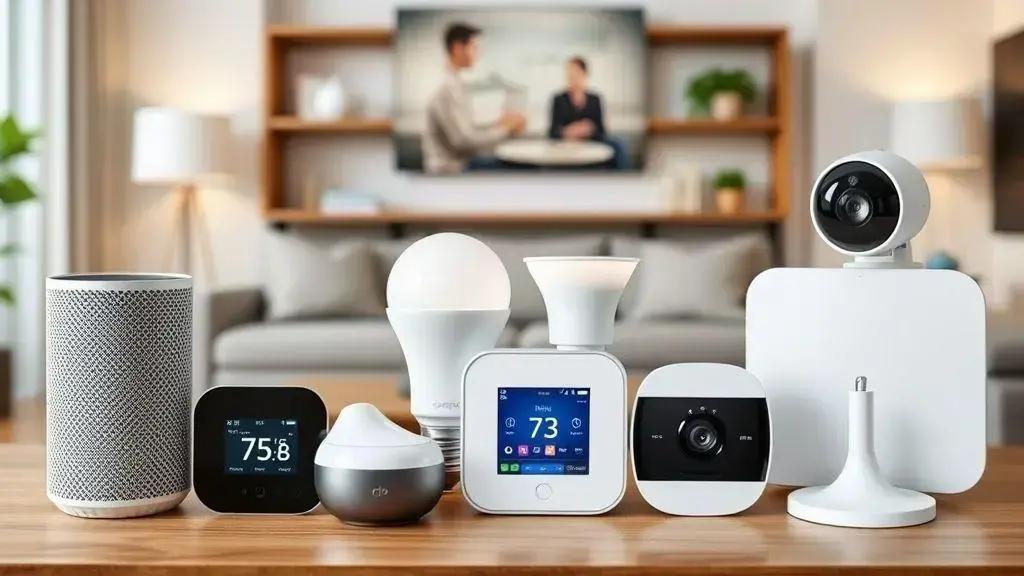
When it comes to home automation, choosing the right devices is key to creating an efficient and seamless experience. Many options are available today, making it easier than ever to start your automation journey. Let’s explore some of the most popular smart devices that can enhance your home.
Smart speakers
Smart speakers, such as Amazon Echo and Google Home, are at the forefront of home automation. These devices allow you to control other smart devices using voice commands. You can play music, set reminders, and even control lights and thermostats effortlessly. They serve as the central hub for your smart home.
Smart lighting
Smart lighting is another essential component. With products like Philips Hue, you can change the color and intensity of your lights from your smartphone or through voice commands. Schedule your lights to turn on and off automatically, giving you ease and flexibility with your routine.
- Adjust brightness and color remotely
- Set time schedules for lighting
- Integrate with smart speakers for voice control
This not only enhances the ambiance of your home but also helps save on energy costs by setting schedules when lighting is not needed.
Smart thermostats
Smart thermostats, like the Nest Learning Thermostat, enable more efficient temperature control. These devices learn your preferences over time and adjust accordingly, which ensures comfort while minimizing energy consumption. For instance, they can lower the temperature when you are away and get it ready before you return home.
Smart security cameras and doorbells
For security, investing in smart security cameras and doorbells is a great choice. Devices from brands like Ring or Arlo allow you to monitor your home remotely through a smartphone app. They often come with features such as motion detection and night vision, providing a comprehensive security solution.
By connecting these devices via a smart home platform, you can create customized routines. Imagine having your lights flash when the doorbell rings or automatically locking your doors at night. With the right combination of devices, your smart home can become a reality.
How to set up your home automation system
Setting up your home automation system may seem challenging, but it’s quite manageable with the right approach. By connecting various smart devices, you can make your home more efficient and comfortable. Here are some steps to guide you through the setup process.
Choose a hub
The first step is selecting a central hub to control all your devices. Options include SmartThings, Amazon Echo Plus, and Google Nest Hub. A hub simplifies management and allows devices from different brands to work together. This is essential for a cohesive home automation experience.
Get compatible devices
Next, it’s important to choose devices that are compatible with your hub. Look for items that highlight compatibility in their descriptions. Common categories include:
- Smart bulbs
- Smart plugs
- Smart thermostats
- Smart locks
Buying devices that are designed to work with your hub ensures a smoother setup and better performance.
Install and connect devices
Once you have your hub and devices, you can start the installation process. First, plug in or install each device according to the manufacturer’s instructions. It’s usually quite simple. After plugging them in, open the hub’s app on your smartphone. Follow the app’s directions to add each device to the network.
Create routines and scenes
After connecting your devices, take advantage of automation features by creating routines. Routines let you group actions together with a single command. For example, you could create a routine called “Goodnight” that turns off all lights and locks the doors when you go to bed. This adds convenience and enhances your home’s security.
Be sure to test each device after setup to ensure everything works as part of your home automation system. Spend some time tweaking settings to fit your preferences. This may include adjusting schedules or changing how devices interact with each other. With a bit of effort, you can harness the full potential of an automated home, improving your daily life.
Future trends in home automation technology
The future of home automation technology looks promising, with continual advancements set to transform how we interact with our living spaces. As technology evolves, so do the possibilities for creating smarter, more efficient homes. Here are some exciting trends to watch for in the coming years.
Artificial intelligence integration
Artificial intelligence (AI) will play a significant role in enhancing home automation systems. With AI, smart devices can learn your habits and preferences. Imagine a thermostat that automatically adjusts based on your daily routines without any manual input. This technology will lead to greater energy efficiency and optimized performance in multiple devices.
Enhanced voice control
Voice control is becoming a standard feature of smart home devices. Future systems will support multiple languages and dialects, making them more accessible. With voice assistants improving, commands will become more natural and conversational, allowing for smoother interactions between users and their devices.
- Voice-activated home security systems
- Smart kitchen appliances that follow verbal instructions
- Integrated entertainment systems controlled by voice
As a result, everyday tasks will become even more convenient, allowing users to control their homes without lifting a finger.
Increased interoperability
Another trend is increased interoperability among different brands and devices. As standards improve, disparate devices will communicate more effectively. Consumers will have the flexibility to mix and match products without worrying about compatibility issues. This shift will empower users to create customized systems that fit their specific needs.
Focus on security and privacy
With more devices connected to the internet, concerns about security and privacy will grow. Future trends will heavily focus on creating robust security protocols. Manufacturers will prioritize encryption and secure access, ensuring that users feel safe while using connected devices. Features like biometrics and advanced authentication methods will set new standards.
As these trends unfold, the landscape of home automation technology will continue to evolve, offering innovative solutions that enhance convenience, efficiency, and security in our homes. Staying informed about these changes will help you make the best choices for your automated living space.
FAQ – Frequently Asked Questions about Home Automation Systems
What are the main benefits of home automation?
Home automation systems increase energy efficiency, enhance security, and provide greater convenience for managing household tasks.
What devices are commonly used in home automation?
Common devices include smart speakers, smart thermostats, smart lights, and smart security cameras.
How do I set up a home automation system?
Begin by choosing a central hub, select compatible devices, install them, and create routines for seamless operation.
What future trends should I expect in home automation technology?
Expect advancements in AI integration, improved voice control, enhanced security features, and greater interoperability among devices.