A zero-energy home is a house that generates as much energy as it uses over a year, utilizing renewable sources like solar power and advanced energy-efficient technologies.
Zero-energy homes are not just a trend; they represent a significant shift in how we approach sustainability in housing. Have you ever imagined living in a home that produces as much energy as it consumes? Let’s dive into the world of zero-energy living and see how it can transform our lives.
What are zero-energy homes?
Zero-energy homes are innovative living spaces that produce as much energy as they consume over the course of a year. These homes integrate energy-efficient technologies and renewable energy sources, like solar panels, to achieve this balance. By prioritizing sustainability and efficiency, zero-energy homes offer a comfortable and responsible way to live.
One of the defining features of zero-energy homes is their design. They are built with high-quality insulation, energy-efficient windows, and airtight construction. This ensures that minimal energy is wasted, keeping the living spaces comfortable throughout all seasons. With the right features in place, these homes can significantly reduce utility bills and carbon footprints.
Key Characteristics of Zero-Energy Homes
Every zero-energy home has unique characteristics, yet several common features unite them. Here are some essential aspects:
- Renewable Energy Sources: Most zero-energy homes utilize solar panels or wind turbines to generate electricity.
- Efficient Design: They incorporate modern architectural elements that maximize natural light and reduce energy consumption.
- Sustainable Materials: Many are constructed with eco-friendly materials to minimize environmental impact.
- Smart Technology: Integrated smart systems help monitor and optimize energy usage.
These homes not only promote energy independence but also offer a pathway toward a more sustainable future. Notably, they can incorporate various renewable technologies, making them adaptable to different environments and lifestyles. Whether in urban or rural settings, zero-energy homes can be tailored to meet the needs of their inhabitants while remaining eco-conscious.
If you’re curious about the long-term benefits, it’s vital to consider the financial aspects. Although the upfront costs might be higher, homeowners can see significant savings over time due to reduced energy costs. Additionally, government incentives and rebates can help mitigate initial expenses while promoting the adoption of zero-energy concepts.
Key features and benefits of zero-energy homes
When it comes to zero-energy homes, their unique features set them apart from traditional houses. Not only do they prioritize efficiency, but they also offer significant benefits that appeal to many homeowners. These homes are designed to produce equal amounts of energy to that which they consume, ensuring a balanced and sustainable living environment.
Key Features of Zero-Energy Homes
Understanding the essential features of zero-energy homes helps highlight their advantages. Here are some notable characteristics:
- Energy Production: Zero-energy homes often use solar panels to generate renewable energy.
- High Insulation: Effective insulation helps maintain comfortable indoor temperatures while minimizing energy loss.
- Energy-Efficient Appliances: These homes utilize appliances that consume less electricity without sacrificing performance.
- Smart Technology: Many zero-energy homes incorporate smart home systems that optimize energy use based on real-time data.
Besides their features, zero-energy homes provide numerous advantages for homeowners. They can greatly reduce energy bills, making them a financially wise choice in the long run. With the decreasing costs of solar technology and various incentives available, investing in a zero-energy home can be more affordable than ever.
Additionally, living in a zero-energy home has environmental benefits. By using renewable energy sources, homeowners contribute to reducing greenhouse gas emissions. This commitment to sustainability helps combat climate change and fosters a healthier planet for future generations.
Another compelling aspect of zero-energy homes is their resilience. Equipped with advanced technologies, these homes can maintain comfortable conditions even during power outages. This feature provides peace of mind, making them an attractive option for those concerned about energy reliability.
How to design your own zero-energy home
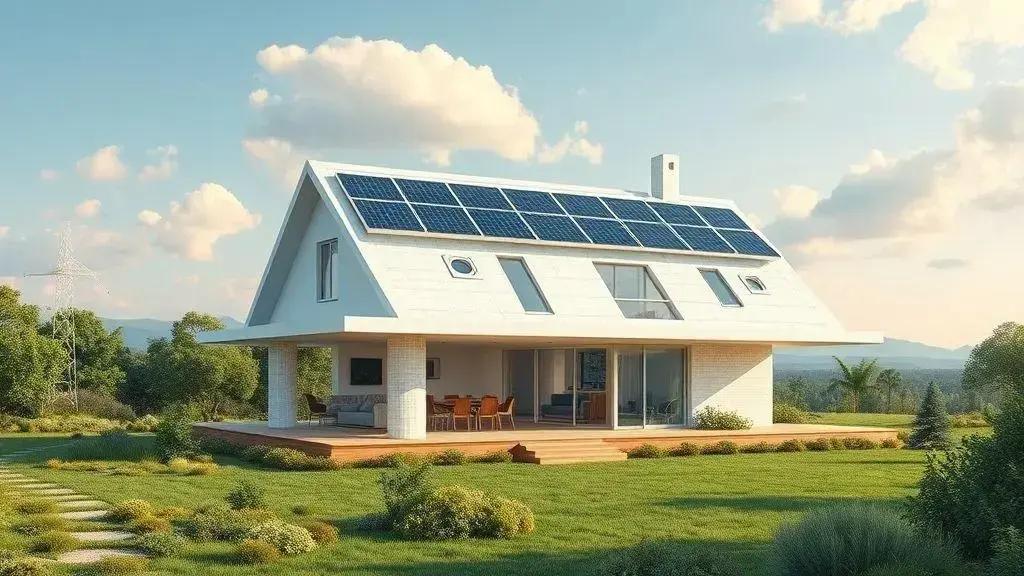
Designing your own zero-energy home can be an exciting and rewarding process. It offers the chance to create a space that is not only comfortable but also environmentally friendly. By focusing on energy efficiency and sustainability, you can significantly reduce your carbon footprint while enjoying lower utility bills.
Planning Your Zero-Energy Home
The first step in designing a zero-energy home is careful planning. It’s essential to consider the home’s orientation and the surrounding environment. Taking advantage of natural light and wind patterns can help optimize energy use. For example, positioning windows to capture sunlight can enhance warmth during the winter months.
- Choose Energy-Efficient Materials: Select building materials that offer excellent insulation and durability.
- Incorporate Renewable Energy Technologies: Plan to include solar panels or wind turbines to generate electricity.
- Focus on Passive Solar Design: Use architectural elements that allow for natural heating and cooling.
As you move forward with the design, keep in mind the layout of your home. Open floor plans can promote better airflow and natural light. Consider installing energy-efficient appliances and systems that reduce energy consumption without sacrificing comfort. This can include LED lighting, high-efficiency HVAC systems, and smart home technology that can automate energy use.
Working with Professionals
Collaborating with architects and builders experienced in zero-energy construction is invaluable. They can help bring your vision to life while ensuring that your home meets all energy standards. Professionals can also assist in choosing the right technologies and materials that fit your budget and design preferences.
Finally, remember that designing a zero-energy home is a continuous process. As new technologies emerge, you can update and improve your home’s energy systems. By staying informed and open to innovation, your zero-energy home can remain efficient and sustainable for years to come.
Common misconceptions about zero-energy homes
Many people have misconceptions about zero-energy homes, which can lead to misunderstandings. One common myth is that these homes are too expensive for the average homeowner. While the initial investment can be higher, the long-term savings on energy costs often outweigh the upfront expenses. Additionally, with government incentives and decreasing technology costs, building a zero-energy home is becoming more accessible.
Myths Debunked
Another misconception is that zero-energy homes lack comfort. In reality, these homes are designed to maintain a stable indoor environment. They use superior insulation, energy-efficient windows, and smart technology to ensure that living spaces are both cozy and economical.
- Zero-energy homes require constant adjustments: Many believe that they need constant monitoring and adjustments. However, once set up, smart home systems automate energy use.
- They only work in sunny climates: While solar panels are common, zero-energy homes can utilize other renewable sources, like wind or geothermal energy.
- They are not aesthetically pleasing: Zero-energy homes can feature modern designs that appeal to a variety of tastes, proving that sustainability and style can coexist.
Moreover, some assume that living in a zero-energy home means sacrificing modern conveniences. On the contrary, these homes often come equipped with the latest technology and appliances. By incorporating energy-efficient devices, homeowners can enjoy the same comforts while reducing their energy footprint.
Lastly, the idea that zero-energy homes are complex and impractical persists. Yet, many builders have experience in constructing these homes, making the process smoother than expected. Working with professionals who understand the principles of sustainable design can simplify the journey to owning a zero-energy home.
The future of zero-energy housing
The future of zero-energy housing looks promising as more people recognize the importance of sustainability. With increasing awareness of climate change and resource conservation, homeowners and builders are turning to energy-efficient solutions. This shift not only benefits the environment but also enhances energy independence.
Emerging Technologies
Advancements in technology are driving the evolution of zero-energy homes. New materials and methods are being developed that improve energy efficiency and reduce costs. For instance, innovative insulation materials can reduce heat loss significantly, leading to more comfortable living spaces.
- Smart Home Integration: More homes will integrate smart technology to automate energy usage, making management easier.
- Better Energy Storage: With advancements in battery technology, homeowners can store excess energy generated from renewable sources for later use.
- Improved Solar Solutions: Solar technologies are becoming more efficient, allowing for better energy capture, even in less sunny climates.
As zero-energy homes gain popularity, regulations and building codes are also evolving. Many regions are adopting stricter energy efficiency standards, which promote the construction of sustainable homes. These changes will help ensure that new homes contribute positively to the environment.
Urban and Community Planning
In the coming years, we may also see the rise of zero-energy community developments. These communities will focus on providing energy-efficient homes, shared renewable energy resources, and green spaces. This approach fosters a sense of community while promoting sustainable living practices.
Furthermore, as awareness continues to grow, education about zero-energy living will become more prevalent. Schools and organizations will provide resources and training, empowering individuals to make informed decisions about energy use. This education will be crucial in making zero-energy homes a standard rather than an option.
FAQ – Common Questions About Zero-Energy Homes
What is a zero-energy home?
A zero-energy home is a building that produces as much energy as it consumes over the course of a year, using renewable energy sources.
Are zero-energy homes more expensive to build?
While the upfront costs may be higher, the long-term savings on energy bills often make zero-energy homes more economical.
How do zero-energy homes stay comfortable?
These homes use superior insulation, energy-efficient windows, and smart technology to maintain a stable and comfortable indoor environment.
Can I still enjoy modern amenities in a zero-energy home?
Yes, zero-energy homes can include all modern conveniences, utilizing energy-efficient appliances and smart home technology.