Energy-efficient building materials are designed to minimize energy consumption and environmental impact while enhancing sustainability in construction through innovations such as smart technologies and sustainable materials.
Energy-efficient building materials play a crucial role in creating sustainable structures. Have you ever wondered how these materials affect our environment? Let’s dive into their benefits and potential.
What are energy-efficient building materials?
Energy-efficient building materials are essential components in modern construction that help reduce energy consumption. They are designed to optimize both energy usage and insulation. Understanding these materials is key to building sustainable infrastructures.
Types of Energy-efficient Building Materials
Various materials contribute to energy efficiency in buildings. These materials not only help in maintaining comfortable indoor temperatures but also lower utility bills.
- Insulation: High-performance insulation materials minimize heat loss or gain.
- Energy-efficient windows: Windows with low-emissivity (low-E) coatings reduce solar heat gain.
- Sustainable roofing: Roofs designed to reflect sunlight can help keep buildings cooler.
- Green flooring: Flooring materials made from renewable resources lower the carbon footprint.
The incorporation of energy-efficient building materials can significantly cut down on greenhouse gas emissions. For instance, using recycled materials not only reduces waste but also creates an environmentally friendly building process. Additionally, incorporating energy-efficient appliances contributes to a broader energy conservation strategy.
Benefits of Energy-efficient Materials
Opting for these materials is not just about saving energy. It also leads to healthier living environments and enhances the overall aesthetic appeal of the building. Here are some advantages:
- Cost savings: Lower energy bills over time add up.
- Comfort: Improved indoor climate control enhances comfort.
- Durability: Many energy-efficient materials offer longer lifespan.
As more builders recognize the value of energy-efficient building materials, they are often linked with higher property value. Properties constructed with these materials tend to be more appealing to buyers and renters who prioritize sustainability.
Benefits of using energy-efficient materials
Utilizing energy-efficient materials offers numerous benefits for both the environment and the economy. When builders choose these materials, they contribute to a more sustainable future while reaping financial rewards.
Economic Benefits
Many people may not realize that energy-efficient materials can lead to significant cost savings. From reduced energy bills to tax incentives, the financial impact can be favorable.
- Lower utility bills: Buildings made with energy-efficient materials often consume less energy, resulting in lower monthly costs.
- Tax credits: Many governments provide tax incentives for using sustainable building practices.
- Increased property value: Homes and buildings with energy-efficient features often sell for more, attracting eco-conscious buyers.
The benefits extend beyond just finances. Choosing energy-efficient materials can also improve indoor air quality. With better insulation and ventilation, buildings can minimize pollutants, creating healthier environments for occupants.
Environmental Impact
Furthermore, adopting these materials helps conserve natural resources. By decreasing energy consumption, we lessen greenhouse gas emissions and reduce reliance on fossil fuels. This makes a profound impact on the planet’s health. The recycling of materials is also a key aspect of sustainability. Using recycled products not only reduces waste but also minimizes the demand for new resources.
Another critical point is that building with energy-efficient materials can help combat climate change. As more buildings adopt these practices, the cumulative effect can lead to a significant reduction in overall energy use across communities. This shift is essential for fostering a sustainable future.
How to choose the right materials for your project
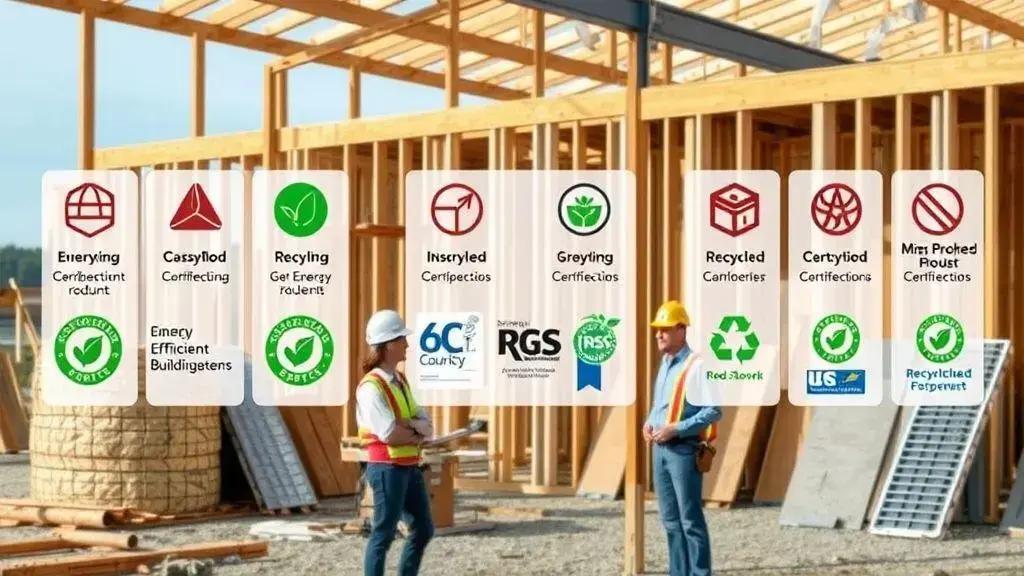
Choosing the right energy-efficient materials for your project can seem overwhelming. However, with the right approach, it can lead to better sustainability and cost savings. Start by considering the specific needs of your project and the local climate.
Assess Your Project Needs
Before diving into material selection, it is crucial to assess the unique requirements of your construction project. This includes the size, location, and purpose of the building. Each project will have different energy efficiency goals, which should guide your material choices.
- Climate considerations: Understand how local weather patterns impact energy efficiency.
- Building type: Different structures (residential vs. commercial) might require different materials.
- Budget: Establish a budget that allows for high-quality choices.
Once you have a clear understanding of your project’s needs, you can begin exploring specific materials that will fulfill those requirements effectively. It helps to research the performance ratings of various materials, especially their thermal properties and energy efficiency ratings.
Research and Compare Materials
Efficient building materials should meet environmental standards and provide energy savings. Start by comparing options based on various specifications. Pay attention to certifications, such as ENERGY STAR or LEED, which signify a commitment to sustainability.
- Recycled materials: Look for materials made from recycled content to lessen your carbon footprint.
- Local sourcing: Prioritize locally sourced materials to reduce transportation emissions.
- Long-term performance: Consider durability and maintenance requirements to ensure longevity.
Your choices play a significant role in the overall energy performance of the building. For instance, selecting high-quality insulation can significantly enhance a building’s efficiency. It is worth seeking expert advice if unsure about specific materials or their applications.
Additionally, it’s useful to consult with builders and architects experienced in sustainable practices. They can provide insights into successful projects and recommend materials that have worked well in similar circumstances. By making educated choices from the start, you can significantly enhance the performance and sustainability of your building project.
Innovative examples in modern architecture
Innovative examples in modern architecture showcase the effective use of energy-efficient materials that push the boundaries of sustainability. Architects are increasingly adopting these materials to create buildings that are not only aesthetically pleasing but also environmentally responsible.
Green Roofs
One popular trend is the incorporation of green roofs. These living roofs support plant growth, which provides insulation and reduces heat absorption. They can significantly lower energy costs while improving air quality.
- Stormwater management: Green roofs absorb rainwater, reducing runoff.
- Urban biodiversity: They create habitats for wildlife in urban settings.
- Temperature regulation: Green roofs help maintain cooler temperatures indoors.
Another innovative approach is the use of recycled materials. Structures made from repurposed metals or reclaimed wood effectively minimize waste and decrease the demand for new resources. For example, the Bullitt Center in Seattle is built with these principles in mind. It is considered one of the greenest commercial buildings in the world and features solar panels and rainwater harvesting.
Passive Solar Design
A key aspect of modern architecture is implementing passive solar design. This strategy utilizes natural sunlight to heat spaces, effectively reducing reliance on artificial heating systems. Homes designed with passive solar principles use large windows, thermal mass, and proper orientation to maximize energy efficiency.
- Orientation: Buildings are positioned to capture sunlight effectively.
- Energy storage: Materials like concrete and stone are used to absorb heat.
- Ventilation: Natural airflow is maximized to reduce heat buildup.
Innovative examples in modern architecture emphasize the importance of sustainability and energy efficiency. Each design not only addresses current needs but also looks toward the future by incorporating solutions that will benefit generations to come. This commitment to green building practices helps combat climate change while creating healthier living spaces.
Future trends in energy-efficient building solutions
Future trends in energy-efficient building solutions are set to reshape the construction industry. As technology advances, new materials and techniques emerge, aiming to reduce energy consumption and increase sustainability.
Smart Building Technologies
One exciting trend is the integration of smart technologies in new buildings. These systems automate processes that improve energy efficiency. By using sensors and IoT (Internet of Things), buildings can optimize their energy use.
- Energy management systems: These track energy consumption in real-time, helping users adjust their usage.
- Smart thermostats: They learn the occupants’ habits and adjust heating and cooling accordingly.
- Automated lighting: Lights adjust based on occupancy and natural light levels.
This technological shift not only promotes energy savings but also enhances comfort and convenience for occupants. As these technologies become more affordable, we can expect broader adoption in both residential and commercial buildings.
Use of Sustainable Materials
Alongside smart technologies, the demand for sustainable materials will continue to grow. Biodegradable and recyclable materials are becoming more prevalent. Innovations in energy-efficient materials will help builders meet sustainability goals.
- Bio-based materials: These are made from renewable resources, such as bamboo and reclaimed wood.
- Recycled metals and plastics: These materials reduce waste and the need for virgin resources.
- High-performance insulation: New insulation materials are being developed to enhance energy efficiency.
Buildings constructed using these sustainable materials will likely use less energy, resulting in a smaller carbon footprint. This approach aligns with global efforts to combat climate change and promote environmental stewardship.
Another emerging trend is net-zero energy buildings, which generate as much energy as they consume. Developers are striving for designs that incorporate solar panels, wind energy, and energy storage solutions. By focusing on renewable energy sources, these buildings can operate independently of traditional power grids.
Moreover, energy-efficient retrofitting of existing buildings will gain traction as more property owners recognize the value of upgrading their facilities. Implementing energy-efficient solutions in older buildings not only enhances comfort but also improves property value and decreases operating costs.
FAQ – Frequently Asked Questions about Energy-efficient Building Solutions
What are energy-efficient building materials?
Energy-efficient building materials are designed to optimize energy use, reduce consumption, and promote sustainability in construction.
How does smart technology improve energy efficiency?
Smart technology automates processes like heating and lighting to adjust energy use in real-time, leading to significant savings.
What is a net-zero energy building?
A net-zero energy building generates as much energy as it consumes, often through renewable sources like solar panels.
Why is retrofitting important for buildings?
Retrofitting existing buildings improves their energy efficiency, reduces operating costs, and helps meet sustainability goals.