Biometric authentication systems enhance security by using unique biological traits, providing convenient and reliable access while facing challenges like privacy concerns and implementation costs.
Biometric authentication systems are changing the way we think about security. Have you ever wondered how fingerprints or facial recognition can keep your data safe? Let’s dive into this fascinating topic.
Understanding biometric authentication systems
Understanding biometric authentication systems is crucial as they play a significant role in modern security. These systems use unique biological traits to verify identity. This method can enhance safety and convenience in various applications.
Key Features of Biometric Systems
Biometric systems offer several standout features. For instance, they are often faster and more reliable than traditional passwords.
- They provide accurate identity verification.
- They reduce the risk of unauthorized access.
- They eliminate the need to remember complex passwords.
- They can be integrated with various technologies.
Moreover, they rely on characteristics such as fingerprints, facial recognition, and iris scans. These methods are typically difficult to forge, making them a robust security option.
How Biometric Authentication Works
The biometric authentication process involves several key steps. Initially, a user enrolls their biometric data in the system. The system captures the unique features and stores them securely.
When accessing a secure area, the system scans the individual’s biometric trait and compares it against stored data. If there’s a match, access is granted. If not, denial occurs, protecting sensitive information.
This technology doesn’t just enhance security; it also streamlines user processes. Imagine being able to unlock your phone with just a glance or a touch. It’s simple and user-friendly, promoting both safety and ease of use.
The technology behind biometric systems
The technology behind biometric systems is fascinating and multifaceted. These systems utilize advanced sensors and algorithms to analyze unique biological traits. This innovative approach sets them apart from traditional authentication methods.
Types of Biometric Technologies
Biometric systems can employ various types of technologies. Each type has its benefits and applications in different fields.
- Fingerprint recognition: This widely used method captures the unique patterns on a person’s fingertip.
- Facial recognition: Cameras analyze facial features, enabling quick identification.
- Iris recognition: This technology scans the unique patterns in a person’s iris, providing high accuracy.
- Voice recognition: Systems analyze voice patterns and frequencies for authentication.
The process begins with data collection, where a user’s unique feature is scanned and stored. For example, a fingerprint scanner captures the intricate lines of a fingerprint. This data is then converted into a digital format and stored securely in a database.
How Data is Processed
During the verification process, the system retrieves the stored data and compares it with new data collected during the attempt. If there is a match, identity is confirmed, allowing access. This quick response ensures a seamless user experience.
Furthermore, developers continuously improve biometric technology. They enhance algorithms to minimize errors and prevent fraud. As these systems evolve, they become even more secure and user-friendly, making them an essential part of modern security solutions.
Benefits of using biometric authentication
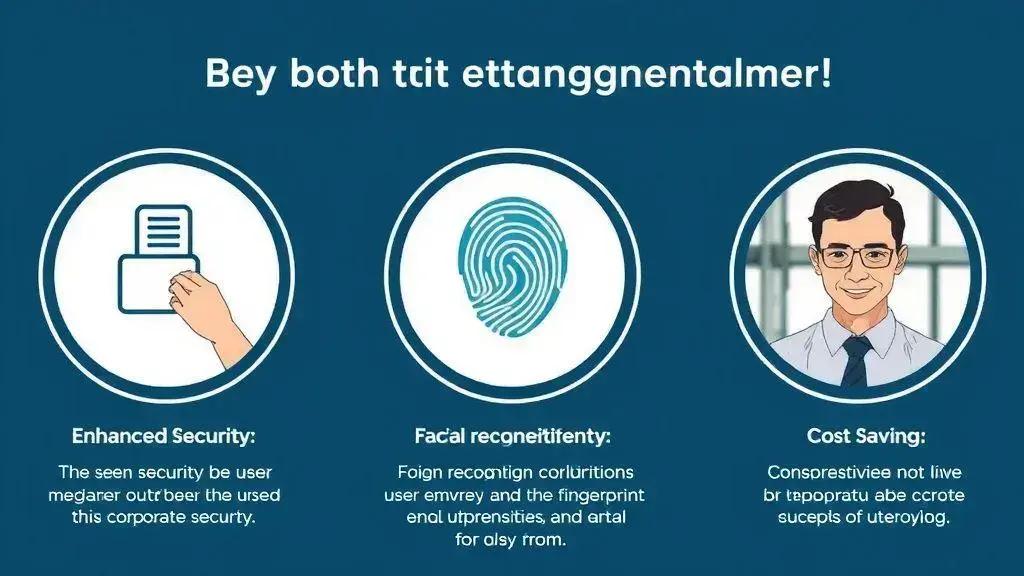
The benefits of using biometric authentication are significant and can transform security measures across various sectors. These systems provide a reliable way to verify identities, enhancing protection for personal and sensitive information.
Enhanced Security
One of the main advantages is enhanced security. Unlike traditional passwords, which can be forgotten or stolen, biometric traits are unique to each individual. For example, a person’s fingerprint or facial features cannot be easily replicated.
- Reduced risk of unauthorized access.
- Higher accuracy in identity verification.
- Quick detection of fraudulent activity.
This level of security is particularly important in industries such as finance and healthcare, where sensitive data is at stake.
Convenience for Users
Another key benefit is convenience. Users no longer need to remember complex passwords or carry extra identification. With biometric authentication, access is as simple as a fingerprint scan or a facial recognition check.
This ease of use often speeds up access to services. For instance, unlocking a smartphone becomes instantaneous. This convenience leads to increased user satisfaction and promotes the adoption of biometric systems in everyday life.
Cost-Effectiveness
Implementing biometric systems can also save money in the long run. Businesses can reduce costs associated with password resets, security breaches, and identity theft incidents. Merely investing in biometric technologies can significantly diminish these risks.
Furthermore, organizations can streamline their authentication processes, reducing the time employees spend on security measures. This efficiency is beneficial for both operational costs and customer experience.
Challenges in implementing biometric systems
Implementing biometric systems comes with its set of challenges that organizations must navigate. While these systems offer enhanced security and convenience, they also pose several issues that need to be addressed.
Privacy Concerns
One of the notable challenges is privacy. Users may worry about how their biometric data is collected, stored, and used. Since biometric information is unique and personal, any breach of this data can lead to significant identity theft risks.
- Understanding user consent and data protection.
- Ensuring compliance with privacy laws.
- Educating users on data security measures.
Addressing these concerns is crucial for gaining user trust.
Technical Limitations
Another challenge is related to technical limitations of biometric devices. Not all devices can accurately read biometric traits in every situation. For example, certain environmental factors can affect the performance of facial recognition systems.
Moreover, some people may have difficulty with methods like fingerprint scanners due to physical conditions or injuries. This can pose accessibility challenges, leading organizations to seek alternative measures.
Implementation Costs
The cost of implementing biometric technology can also be a barrier. Expenses include not just purchasing biometric devices but also integrating them into existing systems and training personnel. Organizations must consider whether the investment justifies the potential benefits.
The initial costs can be high, but over time, the return on investment may justify the expenses as efficiency and security improve. Organizations must weigh these factors carefully while planning implementation.
Future trends in biometric authentication
The future of biometric authentication looks promising with technological advancements shaping its evolution. As society increasingly values security, biometric systems are set to become even more integral in our daily lives.
Integration with Artificial Intelligence
One notable trend is the integration of artificial intelligence (AI) into biometric systems. AI enhances the accuracy and efficiency of identity verification processes. With machine learning, these systems can adapt and improve over time, learning to differentiate between actual users and potential threats.
- Improved accuracy in facial recognition.
- Ability to detect spoofing attempts.
- Faster processing times for authentication.
As AI technology progresses, we can expect more sophisticated biometric solutions tailored to individual needs.
Mobile and Wearable Devices
Another trend is the increasing use of biometric authentication in mobile and wearable devices. As smartphones and smartwatches become more ubiquitous, biometric credentials will likely be common.
For example, many devices now use fingerprint sensors and facial recognition to unlock screens and authorize payments. This trend not only enhances security but also improves user convenience. Additionally, we may see more devices employing iris or voice recognition as standard security measures.
Regulatory Developments
Future developments in regulations will also impact biometric authentication. Governments worldwide are beginning to establish guidelines for data protection and privacy concerning biometric data.
Organizations will need to comply with evolving laws to ensure they handle personal information responsibly. This compliance will help build trust among users while promoting the safe and ethical use of biometric technologies.
FAQ – Frequently Asked Questions about Biometric Authentication Systems
What are the main benefits of biometric authentication?
The main benefits include enhanced security, convenience for users, and cost-effectiveness over time.
How does biometric authentication protect my data?
It uses unique biological traits, like fingerprints or facial recognition, which are hard to replicate, making unauthorized access difficult.
What challenges might I face when implementing biometric systems?
Challenges can include privacy concerns, technical limitations, and the costs associated with integration and training.
What future trends should I be aware of in biometric authentication?
Future trends include the integration of artificial intelligence and the increasing use of biometrics in mobile and wearable devices.