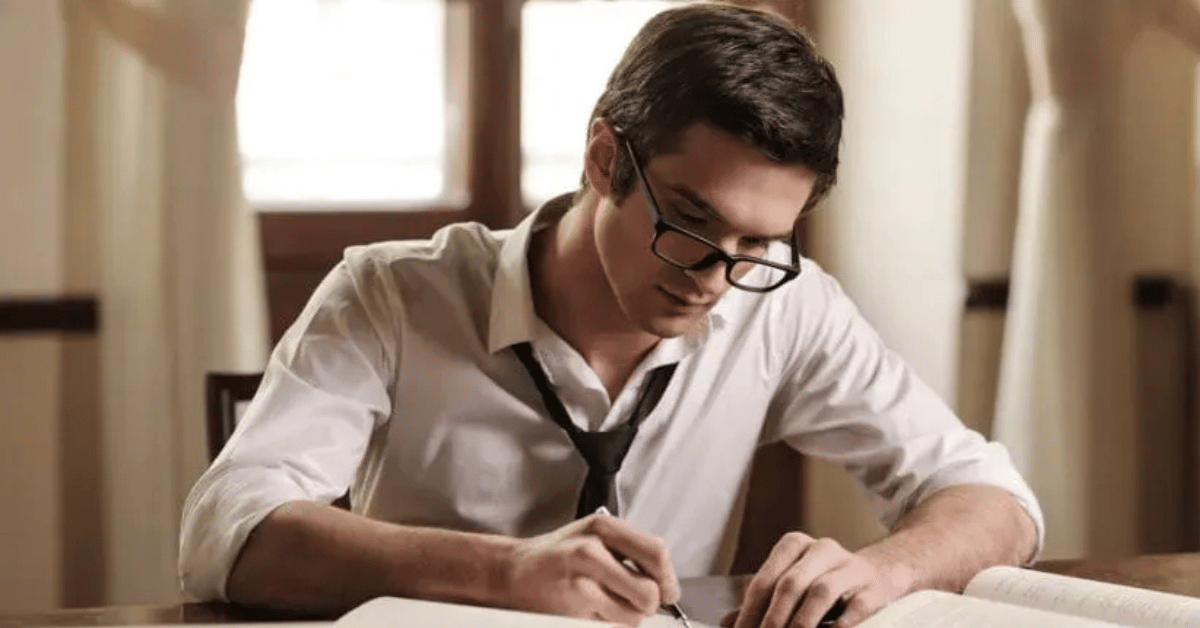
Anxiety reduction methods include breathing techniques, mindfulness exercises, physical activities, and seeking professional help, providing effective strategies to manage and alleviate symptoms of anxiety.
Anxiety reduction methods are essential tools for managing stress in our everyday lives. Have you ever felt overwhelmed in a situation and wished for a quick escape? Let’s delve into techniques that can help you find your calm.
Understanding anxiety: causes and effects
Understanding anxiety is crucial for managing it effectively. Anxiety can arise from various causes, including genetics, environment, and personal experiences. Often, it manifests as a response to stress, whether from everyday challenges or specific life events.
Many people worry about their jobs, health, or relationships, leading to feelings of unease. It’s important to recognize how these feelings affect not just our thoughts, but also our bodies. For example, physical symptoms might include a racing heart, sweating, or even fatigue.
Possible Causes of Anxiety
Anxiety can stem from numerous sources. Here are some of the most common:
- Genetic Factors: Family history can play a role in anxiety disorders, suggesting a biological predisposition.
- Environmental Stressors: Experiencing trauma or living in a high-stress environment can trigger anxiety.
- Brain Chemistry: Imbalances in neurotransmitters can affect mood and anxiety levels.
- Life Situations: Major life changes such as moving, changing jobs, or relationship issues can increase anxiety.
By understanding these causes, individuals can learn to identify triggers and develop coping strategies. Another critical aspect is recognizing the effects of anxiety on daily life, which can include difficulties in concentration, sleep issues, and even social withdrawal.
People often feel caught in a cycle; anxiety affects their daily activities, leading to more anxiety. Addressing symptoms through various methods, such as therapy or relaxation techniques, can help ease this cycle.
Breathing techniques for immediate relief
Breathing techniques for immediate relief are simple yet powerful tools to help manage anxiety. When faced with stress, your breathing may become rapid and shallow, which can increase feelings of anxiety. Learning to control your breath can provide a sense of calm and restore balance.
One effective method is the 4-7-8 breathing technique. You breathe in for four seconds, hold for seven seconds, then exhale for eight seconds. This practice allows your body to enter a state of relaxation. Here’s a quick guide on how to do it:
- Find a comfortable position, either sitting or lying down.
- Breathe in through your nose for a count of four.
- Hold your breath for a count of seven.
- Exhale through your mouth for a count of eight.
Repeat this cycle four times or more, depending on your comfort level. Another beneficial technique is diaphragmatic breathing. This technique engages your diaphragm, allowing for deeper breaths and reducing tension.
How to Practice Diaphragmatic Breathing
To practice, follow these steps:
- Lie down on your back with your knees bent, or sit comfortably.
- Place one hand on your chest and the other on your abdomen.
- Breathe in deeply through your nose, ensuring your abdomen rises while your chest remains still.
- Exhale slowly through your mouth, feeling your abdomen lower.
Practicing these breathing techniques can help you regain control during moments of anxiety. With regular practice, you can experience lasting benefits and improved overall well-being.
Mindfulness exercises to calm your mind
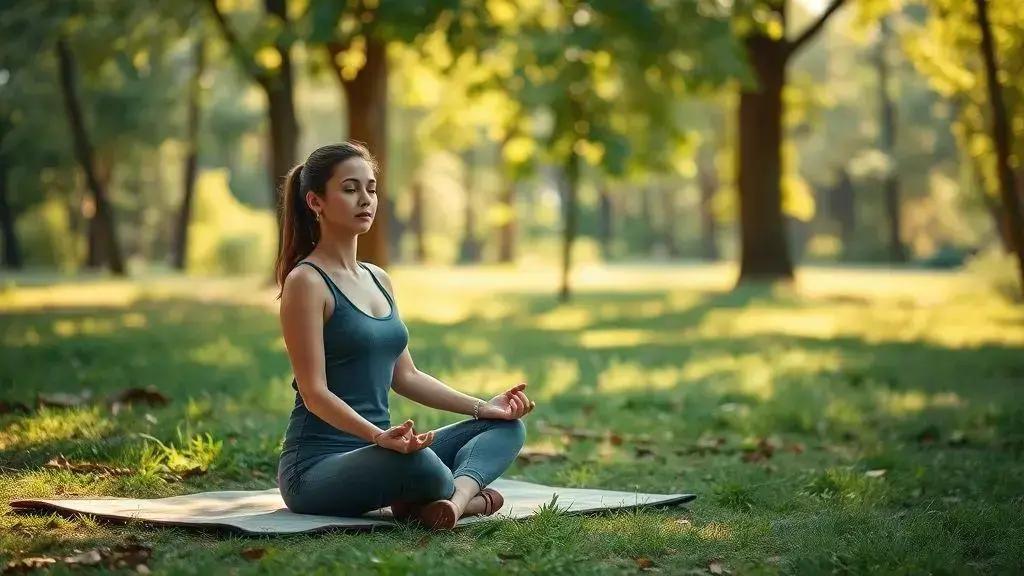
Mindfulness exercises to calm your mind can be incredibly effective in reducing anxiety. Mindfulness is about being present and fully engaged in the moment without judgment. By focusing on the here and now, you can find peace amid chaos.
One popular mindfulness exercise is the body scan. This practice helps you connect with your body and relieve tension. To do a body scan, find a quiet space, lie down comfortably, and take a few deep breaths. Starting from your toes, gradually bring awareness to each part of your body, noticing any sensations or tensions.
Simple Mindfulness Techniques
In addition to the body scan, there are several other techniques that can help you to cultivate mindfulness.
- Five Senses Exercise: Focus on each of your five senses one at a time. What do you see, hear, smell, touch, and taste? This exercise grounds you in the present moment.
- Guided Imagery: Picture a peaceful scene in your mind. It could be a quiet beach or a serene forest. Allow yourself to immerse in the details of this place.
- Mindful Breathing: Pay attention to your breath as you inhale and exhale. Feel the air moving in and out of your body, noticing how it affects your state of relaxation.
Incorporating these mindfulness exercises into your daily routine can gradually help reduce anxiety and improve your overall sense of well-being. Consistency is key; even a few minutes each day can make a significant difference in calming your mind.
Physical activities that reduce anxiety
Engaging in physical activities that reduce anxiety can be highly effective for managing stress and improving mental health. Exercise helps release endorphins, which are chemicals in the brain that promote happiness and relaxation. When you move your body, you can alleviate feelings of tension and anxiety.
Some great activities include walking, yoga, and swimming. Walking is a simple way to get started. Just a brisk walk for 30 minutes can significantly boost your mood. Yoga combines physical movement with mindfulness, allowing you to focus on your breath and body, which calms your mind.
Types of Physical Activities
Here are some physical activities that can help reduce anxiety:
- Running or Jogging: This can clear your mind and increase your heart rate, releasing feel-good hormones.
- Team Sports: Playing basketball or soccer not only keeps you active but also builds social connections, helping you feel more supported.
- Dance: Whether it’s a formal dance class or just moving to your favorite music at home, dancing can be a fun way to relieve stress.
- Strength Training: Lifting weights or doing resistance exercises can improve your physical health and confidence, contributing to better mental well-being.
Incorporating these activities into your routine can promote a sense of accomplishment and peace. Every little effort counts, and even short bursts of activity can be beneficial.
For many people, consistency is important. Setting a regular schedule to engage in these physical activities will make it easier to enjoy their benefits. Remember, it’s about finding what works best for you and your lifestyle.
Seeking professional help when necessary
Seeking professional help when necessary is a vital step in managing anxiety. Many people face challenges that feel overwhelming, and it’s important to recognize when you need support. Professional help can provide you with the tools and strategies to cope effectively.
Therapists and counselors are trained to understand various mental health issues. They can help you explore your feelings and identify the root causes of your anxiety. Engaging in therapy, such as cognitive-behavioral therapy (CBT), can change how you think and respond to stress.
When to Seek Help
Consider reaching out for help if you experience:
- Persistent Anxiety: If your anxiety lasts for weeks or months and interferes with daily activities.
- Physical Symptoms: Having frequent headaches, stomach issues, or panic attacks without a clear physical cause.
- Social Withdrawal: Avoiding friends, family, or activities you once enjoyed due to fear or anxiety.
- Difficulty Coping: Feeling overwhelmed by everyday tasks or finding it hard to manage stress effectively.
Not only can professionals provide support, but they can also suggest techniques like mindfulness, relaxation methods, and medication if necessary. The idea is to find a balance that works for you.
Building a support network is also essential; friends and family can play a role in your journey to better mental health. You don’t have to navigate anxiety on your own. Seeking help is a sign of strength, not weakness.
In conclusion, managing anxiety is an essential journey that involves understanding various methods to find relief. From practicing breathing techniques to engaging in physical activities, there are numerous strategies to help calm your mind. Remember, seeking professional help is a sign of strength. Don’t hesitate to reach out if you feel overwhelmed. By combining these approaches, you can take significant steps toward a more relaxed and balanced life.
FAQ – Frequently Asked Questions about Anxiety Reduction Methods
What are some effective breathing techniques for anxiety?
Techniques like the 4-7-8 method can help by focusing your breath and calming your mind.
How can physical activities help reduce anxiety?
Exercise releases endorphins, which enhance mood and reduce stress, making activities like walking or yoga beneficial.
When should I seek professional help for anxiety?
If anxiety persists and interferes with daily life, or if you experience physical symptoms, it’s time to reach out for support.
What role does mindfulness play in managing anxiety?
Mindfulness helps you stay present, reducing worry and fear by encouraging a focus on the current moment.