Stress management practices involve identifying stressors, engaging in physical activity, and incorporating mindfulness techniques to effectively handle stress and enhance overall well-being.
Stress management practices play a pivotal role in leading a balanced life. Have you ever felt overwhelmed and wished for a simple solution? Through the right techniques, you can navigate stress effectively and reclaim your peace.
Understanding stress and its impact
Understanding stress is crucial for managing it effectively. Stress is not just a feeling; it’s a biological response that can affect our health and well-being. When we encounter stressors, our bodies release hormones like adrenaline and cortisol that prepare us to respond. But, when stress becomes chronic, it can lead to various health problems.
Types of Stress
There are different types of stress that we experience in life. Each type can have unique effects on our bodies and minds. Here are the main categories:
- Acute Stress: This type is short-term and can occur due to specific events or situations.
- Chronic Stress: This is ongoing stress that persists for a long time and can be detrimental to health.
- Episodic Stress: This happens in frequent episodes and may lead to anxiety.
Recognizing the type of stress you are facing is the first step in managing it. Understanding your stressors can help you react appropriately. It’s essential to identify situations that trigger your stress. For instance, it could be work deadlines, family responsibilities, or financial issues. Once you know your triggers, you can work on strategies to cope.
Effects of Stress
The effects of stress are profound. Physically, it can result in headaches, fatigue, and digestive issues. Mentally, stress can contribute to anxiety, depression, and mood swings. Over time, chronic stress can lead to serious health problems like heart disease and weakened immunity.
To manage stress effectively, it’s vital to develop self-awareness. Regular self-reflection can help you recognize when you are under pressure. Along with this awareness, implementing relaxation techniques such as deep breathing or mindfulness can counteract these effects. Remember that managing stress is about finding what works for you, whether it’s exercising, meditating, or talking to someone about your feelings.
Effective breathing techniques for stress relief
Effective breathing techniques are essential tools for stress relief. By focusing on your breath, you can activate your body’s relaxation response. Deep breathing allows you to calm your mind and reduce feelings of anxiety.
Benefits of Deep Breathing
Engaging in deep breathing offers numerous benefits. Here are some key advantages:
- Reduces tension: This technique helps relax tense muscles.
- Lowers heart rate: Deep breathing can slow down your heartbeat, making you feel calmer.
- Enhances focus: It allows better concentration by clearing your mind.
To practice deep breathing, find a comfortable place to sit or lie down. Close your eyes and take a deep breath in through your nose, allowing your abdomen to expand. Hold it for a moment, then slowly exhale through your mouth. Repeat this several times, and you may notice your stress levels begin to decrease.
Simple Breathing Exercises
Incorporating simple breathing exercises into your daily routine is an effective way to manage stress. Here are a few practices to consider:
- 4-7-8 Breathing: Inhale for 4 seconds, hold for 7 seconds, and exhale for 8 seconds.
- Box Breathing: Inhale for 4 seconds, hold for 4 seconds, exhale for 4 seconds, and hold for another 4 seconds.
- Diaphragmatic Breathing: Place one hand on your chest and another on your stomach. Focus on breathing deeply into your diaphragm instead of your chest.
Practicing these techniques regularly can lead to long-term benefits in managing stress. Breathing exercises can also be done anywhere—whether at work, home, or even in a busy public space. Just a few minutes can make a significant difference.
Mindfulness exercises for everyday life
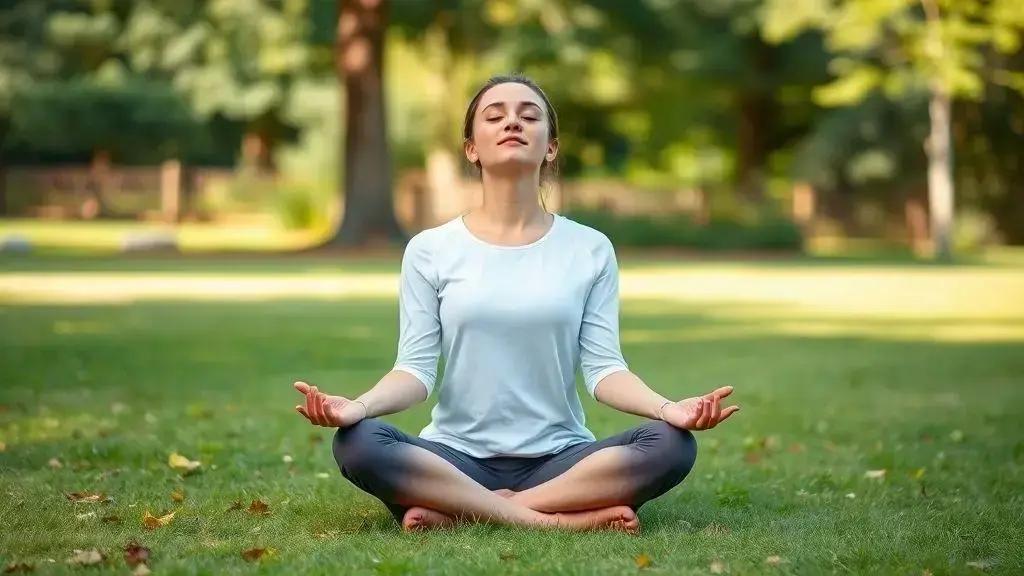
Mindfulness exercises are valuable practices that anyone can incorporate into their daily routine for stress relief. These techniques help you focus on the present moment, promoting peace and clarity. By training your mind to be more aware, you can handle daily challenges better.
Benefits of Mindfulness
Practicing mindfulness can lead to numerous benefits, including:
- Improved mental clarity: Mindfulness helps clear the mind, allowing for better focus.
- Reduced anxiety: Being present can lessen feelings of worry and fear.
- Enhanced emotional regulation: Mindfulness allows you to recognize and manage your emotions effectively.
Incorporating mindfulness into your day can be simple. Start with just a few minutes of focused practice each day. Find a quiet spot, sit comfortably, and concentrate on your breathing. Notice the sensations in your body and the thoughts that come to mind without judgment.
Simple Mindfulness Exercises
Here are a few easy mindfulness exercises that you can try each day:
- Mindful Breathing: Spend five minutes focusing solely on your breath. Inhale deeply and exhale slowly, paying attention to each breath.
- Body Scan: Lie down and check in with each part of your body, from your head to your toes, noticing any tension or discomfort.
- Mindful Walking: While walking, focus on the sensation of your feet touching the ground and the rhythm of your breath.
Integrating these practices into your routine can enhance your overall well-being. Remember, the goal of mindfulness is not to achieve a specific state but to become aware of the present moment. This awareness can create space between you and your thoughts, leading to a calmer mindset.
The role of physical activity in stress management
Physical activity plays a crucial role in stress management. Engaging in regular exercise helps the body deal with stress more effectively. When you exercise, your body releases endorphins, which are chemicals that improve your mood and promote relaxation.
Benefits of Exercise for Stress Relief
There are several benefits of incorporating physical activity into your routine to manage stress:
- Improved mood: Exercise boosts endorphin production, leading to increased feelings of happiness.
- Better sleep: Regular physical activity can improve sleep quality, which is vital for reducing stress.
- Increased energy: Exercise can lead to higher energy levels, making it easier to tackle daily challenges.
Finding a type of physical activity you enjoy is essential. This could be walking, running, dancing, or playing a sport. The key is to make it a regular part of your life. Aim for at least 30 minutes of moderate exercise most days of the week.
Simple Ways to Incorporate Activity
Incorporating more movement into your daily routine is easier than it seems. Here are some tips:
- Take short walks: Walking during breaks at work or around your neighborhood.
- Join a class: Look for yoga, dance, or fitness classes that interest you.
- Use stairs: Opt for the stairs instead of elevators to add more movement to your day.
Even small changes can have a significant impact on your ability to manage stress. Remember that consistency is key, and the more you move, the better equipped you’ll be to handle stressors in your life.
Creating a personalized stress management plan
Creating a personalized stress management plan is an effective way to take control of stress in your life. Everyone experiences stress differently, so tailoring your approach can lead to better outcomes. By identifying your specific stressors and developing coping strategies, you can enhance your overall well-being.
Steps to Create Your Plan
To build an effective plan, follow these simple steps:
- Identify Stressors: Keep a journal to note what triggers your stress. Recognizing patterns can help you understand what to address.
- Set Goals: Establish clear, achievable goals for managing your stress. These may include spending more time on hobbies or improving your work-life balance.
- Select Techniques: Choose from various stress relief techniques like mindfulness, exercise, or breathing exercises. Pick what resonates with you.
Incorporating these elements into your stress management plan forms a foundation for handling stress effectively. Your plan should be flexible to adapt to your needs as they change over time.
Implementing Your Plan
Once you have a plan, it’s time to put it into action. Schedule regular check-ins with yourself to monitor your progress. Make adjustments as necessary. Be sure to celebrate your successes, no matter how small, to keep you motivated.
Remember that managing stress is a journey. It’s vital to practice self-compassion and understand that it’s okay to seek help if needed. You can also consult with a therapist or counselor for additional support. Having a network of supportive friends and family can also be beneficial as you navigate your unique path to stress management.
FAQ – Frequently Asked Questions about Stress Management
What is a personalized stress management plan?
A personalized stress management plan is a tailored approach that identifies your unique stressors and outlines specific strategies to manage them effectively.
How can physical activity help with stress?
Physical activity releases endorphins, which improve mood and reduce feelings of stress. Regular exercise is one of the most effective ways to manage stress.
What are some examples of mindfulness exercises?
Examples include mindful breathing, body scans, and mindful walking. These exercises help you focus on the present moment and promote relaxation.
How often should I practice stress management techniques?
It’s beneficial to practice stress management techniques daily, even for just a few minutes, to build resilience against stress over time.