Climate-resilient architecture involves designing buildings that withstand environmental challenges through innovative materials, sustainable practices, and community engagement, ensuring both functionality and ecological responsibility.
Climate-resilient architecture is becoming increasingly vital as we face more extreme weather events. How can buildings adapt to changing climates and provide safe spaces for communities? This article explores the innovative strategies shaping our future.
Understanding climate-resilient architecture
Understanding climate-resilient architecture is essential in today’s changing world. It focuses on designing buildings and spaces that can withstand climate challenges. By using innovative materials and methods, architects aim to create structures that not only survive but thrive, regardless of environmental conditions.
Key Elements of Climate-Resilient Architecture
This architecture style integrates several key elements that improve durability and functionality.
- Sustainable materials: Choosing resources that minimize environmental impact.
- Energy efficiency: Designing buildings that use less energy for heating and cooling.
- Water management: Implementing systems that handle stormwater and conserve resources.
- Local climate adaptation: Tailoring designs to fit the specific climate of the location.
Experts in this field emphasize that buildings should not only be strong but also responsive to their surroundings. For instance, buildings in flood-prone areas might include elevated foundations. Similarly, in hot climates, using materials that reflect heat can help keep indoor spaces comfortable.
Benefits of Climate-Resilient Design
The advantages of climate-resilient architecture extend beyond mere survival. Such designs offer enhanced comfort for occupants and lower long-term maintenance costs. They promote biodiversity by reserving natural habitats.
By considering factors like orientation and ventilation, architects create spaces that naturally regulate temperature. This approach often leads to lower utility bills and a reduced carbon footprint, contributing positively to the environment.
Furthermore, climate resilience can positively impact community health. Spaces that incorporate greenery and natural elements nurture both physical well-being and mental health. Ultimately, these designs foster stronger, more adaptable communities.
Key principles of sustainable design
The key principles of sustainable design focus on minimizing environmental impact while maximizing functionality and aesthetic appeal. These principles guide architects in creating buildings that are not only beautiful but also beneficial for the planet and the occupants.
Core Principles of Sustainable Design
One major aspect is energy efficiency. Architects often integrate features such as solar panels and high-quality insulation. This helps reduce energy consumption and lowers utility bills.
- Minimizing waste: Using materials efficiently leads to less waste.
- Biophilic design: Incorporating nature into buildings enhances well-being.
- Water conservation: Implementing systems that preserve water resources is crucial.
- Lifecycle assessment: Considering the entire lifecycle of materials helps in selecting the most sustainable options.
Additionally, passive design strategies play a significant role. This includes strategically placing windows and walls to optimize natural light and airflow. As a result, buildings remain comfortable without relying heavily on mechanical systems.
Social and Economic Considerations
Beyond environmental benefits, sustainable design also addresses social and economic aspects. It promotes healthier living conditions and enhances community well-being. Through thoughtful design, communities can maintain a sense of identity while adapting to modern needs.
Furthermore, buildings designed with sustainability in mind often have a positive economic impact. They can have lower maintenance costs and can increase property values. As the demand for sustainable solutions grows, investing in these principles leads to long-term advantages.
Materials that enhance resilience
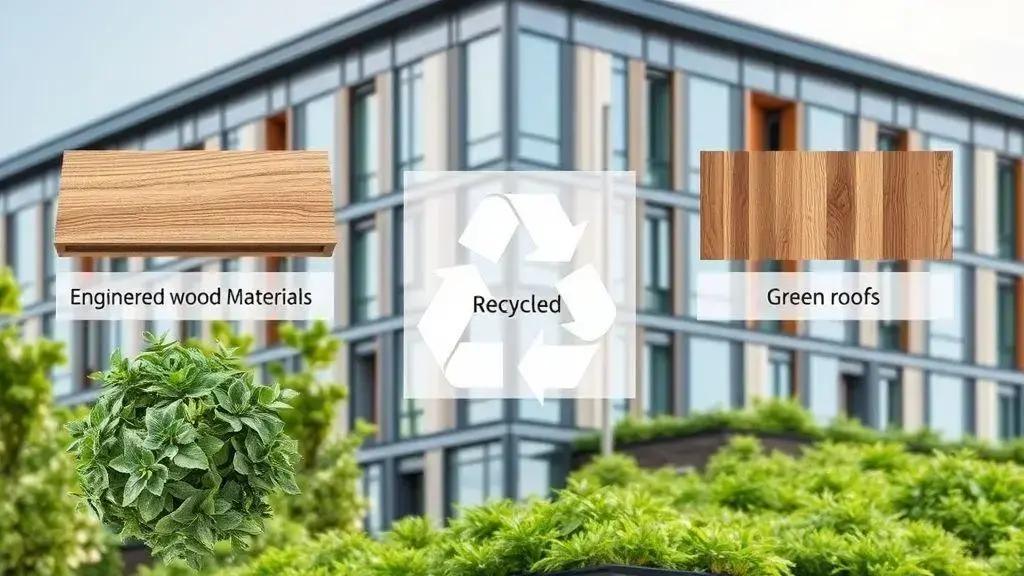
The choice of materials plays a crucial role in creating climate-resilient architecture. Using the right materials enhances a building’s ability to withstand various environmental challenges. Innovative materials not only improve durability but also support sustainability.
Types of Resilient Materials
One type of material that enhances resilience is engineered wood. This product is both lightweight and strong, making it an excellent choice for construction. It can resist moisture and pest damage better than traditional wood.
- Recycled materials: Using recycled products helps reduce waste and lowers the carbon footprint.
- Insulated concrete forms (ICFs): These offer excellent thermal insulation and structural integrity.
- Green roofs: Plants can help insulate buildings while managing stormwater.
- Low-VOC materials: Choosing materials with low volatile organic compounds improves indoor air quality.
Additionally, fiber-reinforced polymers are gaining popularity. These materials are incredibly strong and lightweight. They resist corrosion and can be used in various applications, from infrastructure to aesthetic elements. Integrating these materials not only ensures structural resilience but also aligns with eco-friendly practices.
The Importance of Local Sourcing
Local sourcing of materials further supports resilience. Using locally-sourced materials reduces transportation emissions. It also fosters community growth by supporting local businesses. Materials that are native to the region are often better suited to the local climate, making them a smart choice for construction.
Ultimately, the selection of resilient materials is vital for the future of architecture. By focusing on innovative and sustainable choices, we can create buildings that stand the test of time, benefiting both occupants and the environment.
Case studies: Successful projects
Examining successful case studies provides valuable insights into climate-resilient architecture. These projects highlight innovative designs and effective strategies to combat climate challenges. Learning from these examples can inspire future designs and adaptations.
Notable Examples
One remarkable case is the Bosco Verticale in Milan, Italy. This residential complex features vertical forests that improve air quality and reduce building temperatures. By incorporating over 9,000 trees and numerous plants, it embodies the principles of biophilic design and sustainable living.
- Green Roofs in Singapore: The Gardens by the Bay project utilizes green roofs to promote biodiversity and manage rainwater.
- Pearl Academy: Located in Jaipur, India, this academic building uses local materials and energy-efficient systems to create a comfortable environment.
- LEED Certified Buildings: Many structures in the U.S. follow the LEED certification, showcasing reduced energy usage and improved air quality.
- Reinventing Housing in New Orleans: Post-Hurricane Katrina, many homes incorporate raised foundations and durable materials to withstand future storms.
In addition to these examples, the Edge in Amsterdam is known for its advanced sustainability measures. This office building features smart technology to monitor energy usage and optimize resource efficiency. By prioritizing occupants’ comfort and sustainability, it sets a benchmark for future commercial projects.
Implementing Lessons Learned
The successes of these projects demonstrate the importance of collaboration among architects, engineers, and local communities. By working together, stakeholders can incorporate environmental, social, and economic factors into their designs.
These case studies confirm that climate-resilient architecture is not just a trend but a necessary shift in how we approach building design. They serve as reminders of our potential to innovate for a sustainable future.
Future trends in architecture and climate
Future trends in architecture are increasingly focused on climate resilience. As we face more extreme weather and environmental challenges, architects are rethinking how they design buildings and communities. These innovations emphasize sustainability and adaptability.
Emerging Technologies
One significant trend is the use of advanced materials that can respond to changing environmental conditions. For example, smart windows can adjust their tint based on sunlight. This technology reduces heat and energy costs while improving comfort.
- 3D printing: This method allows for rapid construction and less waste. Builders can produce complex structures that are both strong and lightweight.
- Biodegradable materials: Using materials that break down safely can reduce the environmental impact of buildings.
- Self-healing concrete: This innovative material can automatically repair cracks, extending the life of structures.
- Solar technology: Integrating solar panels into building designs can provide a renewable energy source and lower dependence on fossil fuels.
Another trend is urban green spaces. Incorporating parks and gardens into city designs promotes biodiversity and improves air quality. These spaces not only benefit the environment but also enhance community well-being.
Adaptive Reuse of Buildings
Adaptive reuse of existing buildings is gaining traction. Instead of demolishing old structures, architects are transforming them into modern spaces. This practice honors history while meeting current needs, and it reduces waste by repurposing materials.
Architects are also considering how buildings can change over time. Flexible designs allow spaces to adapt to different uses as communities evolve. This foresight can make buildings more relevant and functional in the long run.
FAQ – Frequently Asked Questions about Climate-Resilient Architecture
What is climate-resilient architecture?
Climate-resilient architecture refers to designs that are adapted to withstand environmental challenges such as extreme weather and climate change.
Why is sustainable design important?
Sustainable design is crucial because it minimizes environmental impact, conserves resources, and creates healthier living spaces for communities.
What materials enhance climate resilience in buildings?
Materials such as engineered wood, recycled products, and insulated concrete forms are examples that improve a building’s resilience to climate challenges.
How can community involvement benefit architecture projects?
Involving the community ensures that designs meet local needs and priorities, ultimately leading to more effective and accepted climate-resilient solutions.