Water conservation technologies are innovative methods that reduce water waste, improve efficiency, and promote sustainable usage, essential for mitigating the effects of water scarcity and enhancing environmental sustainability.
Water conservation technologies are becoming increasingly important as we face global water shortages. Have you ever wondered how these technologies can help us save this precious resource? Let’s dive into some effective solutions.
Understanding water conservation technologies
Understanding water conservation technologies is vital for addressing global water scarcity issues. These technologies help us use water more efficiently and sustainably. By grasping the various methods available, individuals and organizations can take meaningful action.
Types of Water Conservation Technologies
There are several distinct types of water conservation technologies that can be implemented in various settings.
- Rainwater Harvesting: This method involves collecting and storing rainwater for later use.
- Drip Irrigation: A highly efficient irrigation system that delivers water directly to the plant’s roots.
- Water Recycling: The process of treating wastewater and reusing it for various purposes.
- Smart Metering: Utilizes technology to monitor and reduce water usage in real-time.
Many homeowners and businesses have begun adopting these practices. Imagine using a rain barrel to capture rainwater for your garden. This simple choice not only saves money but also reduces the burden on municipal water systems.
Another key technology is drip irrigation, particularly valuable for agriculture. By applying water at the roots of plants, farmers can minimize wastage and promote healthier crops. This approach is beneficial not only for plant health but also for conserving our precious resources.
As technology advances, innovative solutions continue to emerge. For instance, smart metering allows users to monitor water usage patterns and identify leaks immediately. This technology empowers consumers to make informed decisions about their water consumption.
Benefits of Implementing These Technologies
The benefits of adopting water conservation technologies are multifold. It contributes to environmental sustainability, reduces costs, and enhances resilience against droughts.
- Environmental Impact: Protects ecosystems by reducing over-extraction of water.
- Cost Savings: Lowers utility bills by promoting more efficient water use.
- Increased Resilience: Enhances a community’s ability to cope with water shortages during dry spells.
- Awareness: Encourages a culture of sustainability and responsible consumption among users.
By understanding how these technologies function, individuals can make conscious choices to support water conservation. The ultimate goal is a sustainable future where resources are managed wisely, ensuring availability for generations to come.
Benefits of implementing water-saving systems
The benefits of implementing water-saving systems extend beyond individual households and make a significant impact on the environment. By utilizing these systems, everyone can contribute to conserving our precious water resources.
Environmental Advantages
One of the most notable advantages of water-saving technologies is their positive effect on the environment. By reducing water waste, these systems help maintain natural ecosystems and support biodiversity. Less water withdrawal from rivers and aquifers means healthier habitats for aquatic life.
Additionally, conserving water helps to minimize energy consumption because less energy is required for water treatment and distribution. This, in turn, leads to lower greenhouse gas emissions. Water-saving systems are not just an investment in your home; they are an investment in the planet.
Financial Savings
Implementing water-saving systems also offers significant financial benefits. By lowering water usage, households and businesses can see a noticeable decrease in their utility bills. For instance, homeowners who install efficient toilets and faucets often experience substantial savings over time.
- Reduced Water Bills: Many water-saving fixtures use less water without sacrificing performance.
- Rebates and Incentives: Many local governments provide incentives for those who adopt water-efficient technologies.
- Increased Property Value: Homes with water-efficient systems can attract buyers looking for sustainability.
Furthermore, investing in these systems can lead to long-term financial gains. As water becomes scarcer, the cost of water is likely to rise, making water-efficient solutions more valuable.
Enhancing Resource Resilience
Water-saving technologies make communities more resilient in the face of drought and climate change. As water availability fluctuates, those who have adopted these practices are better prepared to face water shortages. They can continue to thrive even in times of scarcity, ensuring that water remains accessible for essential uses.
Embracing water-saving systems fosters a culture of responsibility and stewardship. When people understand the importance of conservation, they are more likely to support local initiatives aimed at protecting water resources.
Innovative methods for water conservation
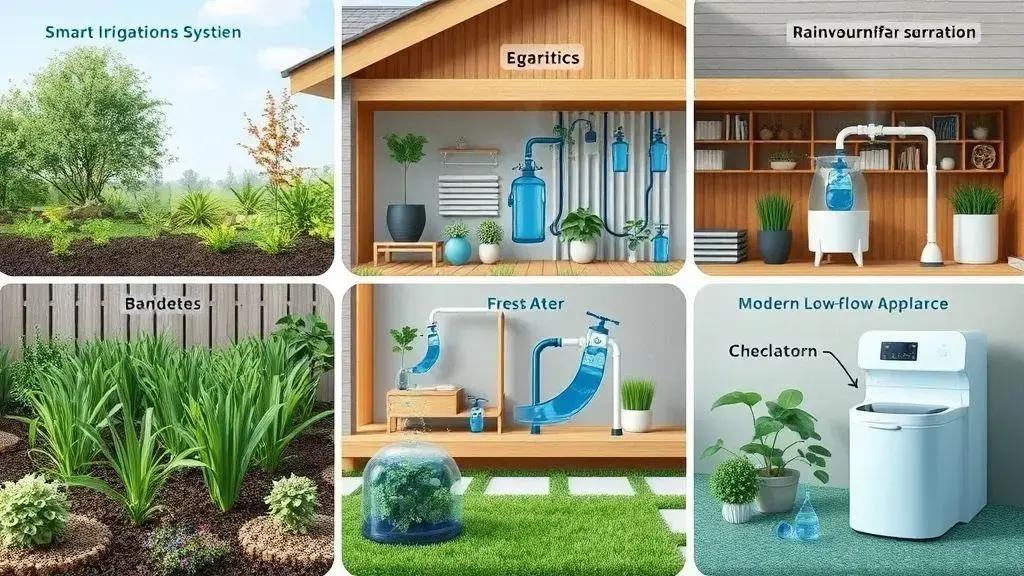
Innovative methods for water conservation are constantly evolving, providing us with new ways to use and save water efficiently. These advancements not only help reduce waste but also promote sustainable practices.
Smart Irrigation Systems
One of the most groundbreaking innovations is the use of smart irrigation systems. These systems utilize weather data and soil moisture sensors to water plants only when needed. This means less water is wasted and plants receive the right amount of moisture.
- Benefits: Optimize water usage and prevent overwatering.
- Technology: Integrates easily with existing landscaping setups.
- Control: Can be managed remotely through smartphones or computers.
Another interesting method involves using gray water recycling. Gray water is the wastewater from sinks, showers, and washing machines. By treating and reusing this water for irrigation or toilet flushing, households can significantly reduce their water usage.
Rainwater Harvesting
Rainwater harvesting is a time-tested technique that is witnessing a modern revival. Homeowners can install rain barrels to collect rainwater from roofs, which can be used for watering gardens or even for flushing toilets. This method not only conserves municipal water but also reduces stormwater runoff, helping to prevent flooding.
Many communities are now incentivizing rainwater harvesting through rebates and grants. This encouragement fosters a culture of sustainability and resourcefulness among residents. As more people adopt this approach, the collective impact on water conservation can be substantial.
Water-Saving Appliances
Innovative appliances like low-flow showerheads and dual-flush toilets are designed to use significantly less water without compromising functionality. By replacing older fixtures with these modern alternatives, households can reduce their water consumption drastically.
Even dishwashers and washing machines now come equipped with technology that minimizes water use while still getting the job done. These advancements not only save water but also lead to lower utility bills for families.
Real-life examples of effective technologies
There are many real-life examples of effective technologies that illustrate the power of water conservation. These case studies show how communities and individuals are successfully reducing water use while maintaining the quality of life.
Case Study: The City of Los Angeles
Los Angeles is a pioneer in implementing innovative water conservation technologies. The city has invested in various programs that promote water-saving measures. One notable initiative is the LA Water Conservation Ordinance, which encourages residents to install efficient fixtures and appliances.
- Impact: The initiative has helped save millions of gallons of water annually.
- Incentives: The city provides rebates for homeowners who replace old toilets and showerheads with low-flow models.
This combination of regulatory measures and financial incentives promotes a culture of conservation among residents and businesses.
Example: Efficient Irrigation in Agriculture
Agricultural sectors are also adopting effective water-saving technologies. In California, farmers are increasingly using drip irrigation systems. This method delivers water directly to the roots of plants, significantly reducing water wastage.
Farmers utilizing this approach not only conserve water but also improve crop yields. Surveys indicate that farms using drip irrigation can reduce water usage by up to 50% while maintaining healthy crops.
Residential Innovations
On a smaller scale, residents are embracing rainwater harvesting systems. Many homes in regions with regular rainfall collect rainwater from roofs. This harvested rainwater is used for irrigation and household chores.
These simple yet effective technologies empower individuals to take charge of their water consumption and contribute to sustainability efforts. The community benefits when more households adopt these practices.
Future trends in water conservation solutions
Future trends in water conservation solutions are expected to evolve significantly as technology advances. These trends will help address the challenges posed by growing populations and climate change.
Integration of Smart Technologies
Smart home technology is emerging as a notable trend in water conservation. Homes equipped with smart devices can monitor water usage in real-time and make automatic adjustments to reduce waste.
- Water Sensors: These devices can detect leaks and alert homeowners immediately.
- Smart Irrigation Controllers: They adjust watering schedules based on weather forecasts.
This level of automation not only saves water but also fosters more sustainable behavior among homeowners.
Emphasis on Education and Awareness
Another key trend is an increased focus on education and awareness programs. Many communities are implementing initiatives that teach residents about the importance of water conservation. Schools and local organizations are launching campaigns to promote responsible water use.
These programs aim to engage the public and encourage lifestyle changes. As awareness grows, more people will adopt water-saving technologies and practices.
Development of Advanced Water Recycling Techniques
Advanced water recycling methods are on the horizon as technology continues to improve. Innovations in wastewater treatment will make it possible to reuse water for various purposes, even in residential areas.
For instance, new filtration systems can treat gray water for irrigation and even for toilet flushing. This development would significantly reduce the demand for fresh water.
Policy Innovations
Lastly, government policies will play a crucial role in shaping the future of water conservation. New regulations may require businesses and homes to adopt specific water-saving technologies.
Incentives such as tax breaks or subsidies for using sustainable practices will encourage adoption across communities. This trend shows promise in making conservation a priority in planning and development.
FAQ – Frequently Asked Questions about Water Conservation Technologies
What are water conservation technologies?
Water conservation technologies are methods and systems designed to reduce water waste, improve efficiency, and promote sustainable water use.
How can I implement water-saving systems at home?
You can install low-flow fixtures, smart irrigation systems, and rainwater harvesting setups to significantly reduce your household water usage.
What are the benefits of using smart irrigation systems?
Smart irrigation systems optimize water use by adjusting watering schedules based on weather conditions and soil moisture, saving water and improving plant health.
Why is public awareness important for water conservation?
Public awareness leads to informed choices about water use, encouraging individuals and communities to adopt conservation practices, ultimately preserving vital resources.