Nutrition for mental health involves incorporating nutrient-rich foods like fruits, vegetables, whole grains, and healthy fats, which significantly enhance mood and emotional well-being by supporting brain function and gut health.
Nutrition for mental health is more than just a buzzword; it impacts our daily lives. Ever noticed how a hearty meal can lift your spirits? Let’s dive into the fascinating connection between what we consume and our emotional well-being.
Understanding the connection between diet and mental health
Understanding the link between our diet and mental health is crucial. What we eat influences not just our physical well-being but also our emotions and thoughts. For example, a balanced diet can promote a more stable mood, while poor food choices can lead to mood swings and increased anxiety.
How Diet Impacts Mental Health
The foods we consume can directly affect our brain chemistry. Nutrient-rich foods can enhance brain function and emotional health. Here are some key aspects to consider:
- Omega-3 fatty acids: Found in fish and flaxseeds, these fats are essential for brain health.
- Antioxidants: Fruits and vegetables protect our brain from oxidative stress.
- Vitamins and minerals: Nutrients like B vitamins and magnesium play vital roles in mood regulation.
In addition to these nutrients, your gut health is also an important factor. A healthy gut can lead to a healthier brain. Studies show that a diet high in fiber can improve gut health, which in turn may enhance mental well-being. Fermented foods like yogurt and sauerkraut can support a healthy gut microbiome.
Foods That May Help
Certain foods are known to improve mental health. Incorporating these into your diet may provide benefits:
- Leafy greens: Spinach and kale are rich in nutrients that support cognitive function.
- Nuts and seeds: They are great sources of healthy fats and can help reduce inflammation.
- Whole grains: Foods like brown rice and quinoa provide steady energy and can stabilize mood.
Remember that every individual is different. What works for one person may not work for another. It’s essential to listen to your body and observe how different foods affect your mood and mental clarity.
Key nutrients that boost brain function
Key nutrients play a significant role in boosting brain function. Eating the right foods can support memory, focus, and even mood stability. For instance, certain vitamins and minerals are crucial for optimal brain health.
Essential Nutrients for Brain Health
Omega-3 fatty acids are one of the most important nutrients for brain function. These healthy fats help with brain cell communication and can improve memory. You’ll find omega-3s in fatty fish like salmon and in flaxseeds.
Vitamins and Minerals
Vitamins such as B6, B12, and folate are essential for producing brain chemicals. They help reduce fatigue and improve cognitive abilities. Including foods like beans, lentils, and leafy greens can provide these important nutrients.
- Antioxidants: Foods rich in antioxidants, like berries, protect the brain from oxidative stress.
- Vitamin D: This vitamin supports brain development and function. Fatty fish and fortified foods are good sources.
- Iron: It helps carry oxygen to the brain. Lean meats and spinach can boost your iron intake.
Another critical nutrient is choline, which aids in brain development and function. Eggs and soybeans are excellent sources of choline, promoting better memory and cognitive performance. A balanced diet rich in these nutrients can dramatically improve mental clarity and overall well-being.
Foods to include for better mood
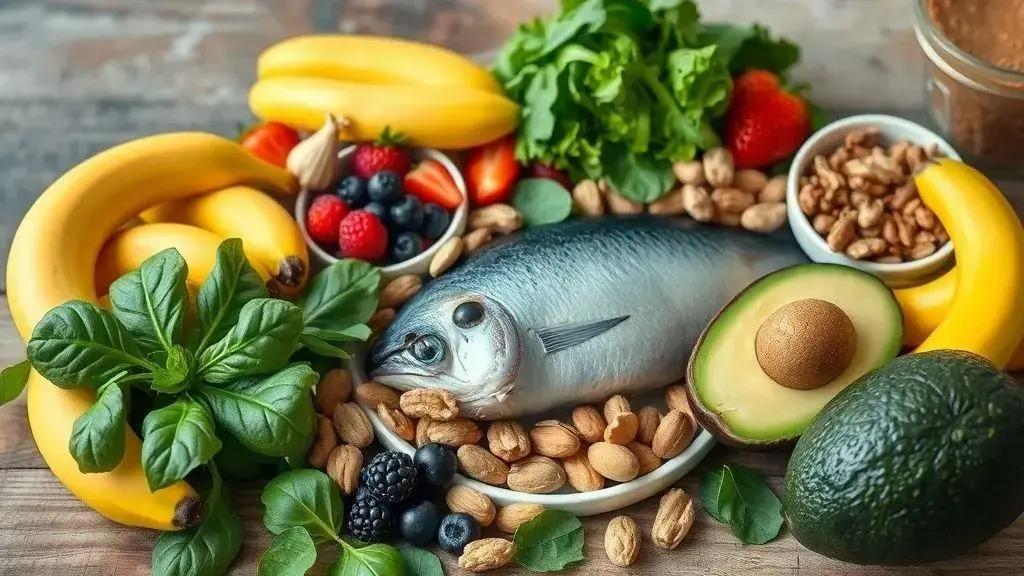
Eating certain foods can significantly improve your mood. When you consume the right nutrients, your brain produces the chemicals needed for happiness and calmness. It’s fascinating how dietary choices can create a positive shift in our mental state.
Fruits and Vegetables
Fruits and vegetables are rich in vitamins and antioxidants. Berries, for example, contain antioxidants that help reduce inflammation in the brain. Eating a colorful variety can uplift your spirits. Include foods like:
- Bananas: They are high in vitamin B6 and can help produce serotonin.
- Spinach: This leafy green is loaded with folate, which is linked to improved mood.
- Oranges: Packed with vitamin C, they help reduce stress levels.
These foods not only nourish your body but also play a crucial role in enhancing your emotional well-being. Regularly consuming a range of fruits and veggies can lead to lasting mood improvements.
Healthy Fats
Incorporating healthy fats into your diet is another important aspect. Foods rich in omega-3 fatty acids can help reduce symptoms of anxiety and depression. Consider including:
- Fatty fish: Salmon and mackerel provide omega-3s that support brain health.
- Nuts: Walnuts and almonds are great sources of healthy fats.
- Avocados: They are full of monounsaturated fats and can enhance mood.
These fats help to improve brain function and promote a sense of well-being. Eating them regularly can lead to fewer mood swings and greater emotional stability.
The role of gut health in mental wellness
The connection between gut health and mental wellness is fascinating. Your gut is often referred to as the “second brain” because it has a direct impact on your mood and overall mental health. A balanced gut microbiome can contribute to feelings of happiness and reduced anxiety.
How Gut Bacteria Affect Mood
Your gut contains trillions of bacteria that help digest food and produce essential nutrients. These bacteria also communicate with your brain through the gut-brain axis. When your gut is healthy, it can produce neurotransmitters such as serotonin, which plays a key role in regulating mood.
Foods That Promote Gut Health
Including certain foods in your diet can support a healthier gut. Here are some powerful options to consider:
- Fermented foods: Yogurt, sauerkraut, and kimchi introduce beneficial probiotics that aid digestion.
- High-fiber foods: Fruits, vegetables, and whole grains provide fiber, which is essential for a healthy gut.
- Bone broth: It is rich in collagen and nutrients that can support gut lining health.
Maintaining a diverse diet that includes these foods can help keep your gut happy and functioning well. When your gut is thriving, it can lead to improved mental clarity and emotional stability.
The Impact of Stress on Gut Health
It’s also important to note that stress can negatively affect gut health. When under stress, your body’s response can alter gut bacteria, leading to digestive issues and an increased risk of mental health concerns. Managing stress through techniques like mindfulness, exercise, and adequate sleep can directly benefit your gut and, in turn, your mental health.
Practical tips for improving your diet
Improving your diet can seem challenging, but small changes can lead to big results. Simple adjustments to your eating habits can boost your nutrition and overall mental health. Here are some practical tips to help you start.
Plan Your Meals
One of the best ways to enhance your diet is by planning your meals. When you take the time to outline your meals for the week, you’re less likely to grab unhealthy snacks or fast food. Consider these strategies:
- Create a shopping list: Write down healthy foods you need and stick to it while shopping.
- Prep in advance: Spend a few hours on the weekend preparing healthy meals or snacks for the week.
- Cook at home: Making meals from scratch allows you to control the ingredients.
By planning, you can ensure you have nutritious options available and avoid unnecessary temptation.
Focus on Whole Foods
Incorporating more whole foods into your diet can greatly benefit your mental well-being. Whole foods are unprocessed and nutrient-dense, providing essential vitamins and minerals. Examples include:
- Fruits and vegetables: Aim for a variety of colors to maximize nutrient intake.
- Whole grains: Foods like brown rice and quinoa provide energy and fiber.
- Lean proteins: Incorporate chicken, beans, and fish for protein without added fats.
Replacing processed foods with these options can improve not only your mood but also your physical health.
Stay Hydrated
Hydration plays a crucial role in maintaining good cognitive function. Drinking enough water can boost your energy levels and help you focus. Aim for at least eight glasses a day, and consider:
- Carrying a water bottle: Have water accessible so you can drink throughout the day.
- Setting reminders: Use your phone or an app to remind you to hydrate.
- Infusing your water: Adding fruits like lemon or berries can make hydration more enjoyable.
Making these small adjustments can make a significant difference in how you feel day to day.
In summary, improving your diet is an essential step toward enhancing your mental health. By focusing on whole foods and maintaining a balanced diet, you can positively influence your mood and well-being. Simple changes such as meal planning, incorporating gut-friendly foods, and staying hydrated can lead to significant improvements. Start small and build healthy habits that work for you!
FAQ – Frequently Asked Questions about Nutrition for Mental Health
How can diet affect my mental health?
Diet plays a crucial role in mental health. Consuming nutrient-rich foods can improve mood, reduce anxiety, and boost cognitive function.
What are some foods that can improve my mood?
Foods like fruits, vegetables, whole grains, nuts, and fatty fish are known to enhance mood and support overall mental wellness.
How important is gut health for mental wellness?
Gut health is vital for mental wellness. A balanced gut microbiome can produce neurotransmitters that influence mood and emotional health.
What practical tips can I follow to improve my diet?
You can improve your diet by planning meals, incorporating whole foods, staying hydrated, and focusing on gut-friendly options.