Sustainable housing solutions focus on eco-friendly practices, innovative materials, smart technology, and community engagement, offering benefits such as reduced environmental impact, lower energy costs, and healthier living conditions.
Sustainable housing solutions are gaining traction as we seek to build more resilient communities. Ever thought about how your living space could positively impact the environment? Let’s dive in!
Understanding sustainable housing
Understanding sustainable housing is essential in today’s world, where climate change impacts our lives daily. These homes not only provide shelter but also strive to minimize their environmental footprint. Let’s explore what makes housing sustainable.
What is sustainable housing?
Sustainable housing focuses on creating living spaces that are energy-efficient, environmentally friendly, and socially responsible. These homes use resources wisely to provide comfort and safety for residents while reducing environmental harm.
Key features of sustainable housing
- Energy efficiency: Sustainable homes are designed to consume less energy. This can include better insulation, energy-efficient appliances, and renewable energy sources like solar panels.
- Water conservation: Incorporating rainwater harvesting systems and drought-resistant landscaping helps reduce water wastage.
- Healthy materials: Using non-toxic materials helps create a safe living environment. Sustainable homes often utilize recycled or locally sourced materials.
- Community integration: Sustainable housing considers the surrounding environment, promoting green spaces and community engagement.
Understanding these features allows homeowners to make informed choices when selecting sustainable options. Many individuals are curious about how their housing choices affect the planet. By prioritizing sustainable housing, we can help pave the way for a healthier future.
As cities expand, new innovations in design and construction emerge. These innovations often focus on reducing waste during the building process. Builders are now thinking creatively, using materials that are better for the Earth. For example, recycled materials can often be as durable as new ones while providing necessary functions.
In addition, the integration of technology makes our homes smarter. Features like smart thermostats and energy management systems allow residents to monitor their energy usage actively. This awareness leads to informed decisions that ultimately benefit both the environment and their wallets.
Key benefits of green building practices
The key benefits of green building practices extend beyond just the immediate impact on the environment. They also create healthier living spaces for occupants. As awareness of sustainability grows, more people are looking for ways to incorporate green practices into their homes.
Improved Energy Efficiency
One of the most significant advantages is energy efficiency. Green buildings are designed to use less energy through better insulation, energy-efficient appliances, and renewable energy sources. This means reduced utility bills for homeowners, making their investment more affordable over time.
Healthier Indoor Environments
Another essential benefit is the creation of healthier indoor environments. Green buildings often utilize non-toxic materials and ventilation systems that reduce indoor pollutants. This results in better air quality, leading to improved health and comfort for residents.
- Reduced allergens: Sustainable materials help minimize allergens in the home.
- Better daylight access: Green designs often include more windows, allowing natural light to enter.
- Lower stress levels: Natural elements and views of nature can enhance overall well-being.
- Noise reduction: Eco-friendly materials provide better sound insulation, reducing noise pollution.
Financial savings are also an attractive aspect of green building. While initial costs might be higher, the long-term savings on energy and maintenance can be substantial. Many homeowners find that the value of their properties increases as they invest in sustainable features.
Additionally, green buildings contribute to environmental conservation. By utilizing local resources and materials, they help reduce the carbon footprint associated with transporting goods. This practice supports local economies and enhances community sustainability.
As awareness grows, local governments and organizations often provide incentives for adopting green building practices. These may include tax credits, grants, or rebates, further making sustainable choices financially appealing.
Innovative materials for eco-friendly homes
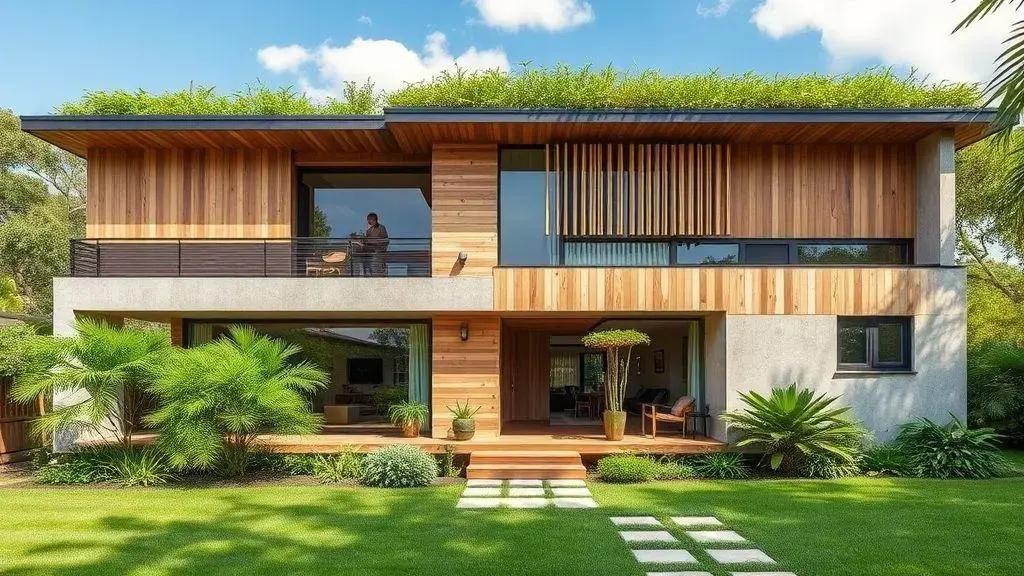
Innovative materials for eco-friendly homes play a crucial role in building sustainable living spaces. These materials not only reduce environmental impact but also enhance the overall quality of life for residents. Understanding these options can help homeowners make informed choices.
Recycled and Reclaimed Materials
One of the most popular categories includes recycled and reclaimed materials. These materials are taken from old buildings or products and given a new life in construction. This practice helps reduce waste and the need for new raw materials.
Natural and Renewable Resources
Using natural and renewable resources is another key aspect. Materials like bamboo, cork, and straw are excellent choices for eco-friendly homes. They are sustainable because they grow quickly and can be harvested with minimal damage to the environment.
- Bamboo: It is incredibly strong and grows rapidly, making it an excellent flooring option.
- Cork: Harvested from the bark of cork oak trees, it provides insulation and is biodegradable.
- Sustainable wood: Look for FSC-certified wood, ensuring it comes from responsibly managed forests.
- Grasscrete: A unique paving solution that promotes drainage and supports plant growth.
Another exciting innovation is the use of **insulating concrete forms (ICFs)**. These forms are made from expanded polystyrene and offer excellent insulation. They help maintain a stable temperature inside the home, reducing energy costs significantly. This innovative approach makes new buildings more efficient than traditional methods.
Moreover, green roofs are becoming more common. These roofs consist of vegetation planted on top of a waterproof membrane. They provide insulation, reduce stormwater runoff, and improve air quality in urban areas. Homeowners can enjoy the benefits of a garden while contributing positively to the environment.
Lastly, while exploring innovative materials, it’s essential to consider their long-term sustainability. Factors such as durability, maintenance, and lifecycle analysis play a significant part in determining their environmental impact. Choosing the right materials can lead to energy savings and improved indoor air quality.
Financing options for sustainable housing
Understanding financing options for sustainable housing can make a significant difference for those looking to build or renovate eco-friendly homes. Many people believe that going green is too expensive, but various financing avenues exist to support these initiatives.
Government Incentives and Grants
Many governments offer incentives to encourage the construction of sustainable homes. Grants are often available to help cover the costs of energy-efficient upgrades. These can include funding for solar panels, energy-efficient appliances, and other eco-friendly improvements.
Green Mortgages
Green mortgages are designed specifically for energy-efficient homes. These loans often provide better interest rates or allow buyers to borrow more due to the lower energy costs of green homes. Borrowers can use these funds to purchase or improve their properties with sustainable features.
- Energy-efficient upgrades: Many green mortgages cover the costs of making necessary energy-efficient improvements to your home.
- Lower monthly payments: Since these homes save on energy bills, lenders factor those savings into how much you can afford to borrow.
- Tax benefits: Homeowners may qualify for tax deductions and credits when financing green projects.
Another option is local credit unions or community banks, which may offer specific loans for sustainable housing projects. They often have more flexible requirements and can tailor financing options to fit local needs.
It’s also worth exploring energy efficiency programs offered by utility companies. Many utilities provide low-interest loans or rebates to homeowners who upgrade to energy-efficient systems. This financial assistance helps spread the costs over time, making sustainable living more accessible.
Additionally, crowdfunding is becoming an increasingly popular method for financing sustainable housing. Platforms enable individuals to raise funds from friends, family, or the community. This method allows homeowners to showcase their green goals and gain support from others who believe in sustainability.
Future trends in sustainable housing solutions
The future trends in sustainable housing solutions are exciting and necessary as the world faces environmental challenges. Innovations continue to shape how we design and build homes that are more eco-friendly and energy-efficient.
Smart Technology Integration
One major trend is the integration of smart technology in sustainable homes. Homeowners are increasingly using smart devices to monitor and manage energy consumption. For example, smart thermostats learn patterns and adjust heating or cooling accordingly, saving energy.
Modular and Prefabricated Homes
Another promising trend is the rise of modular and prefabricated homes. These homes are built off-site and then assembled on location, which reduces waste and construction time. This method promotes efficiency, allowing for quick and eco-friendly housing solutions that can be customized.
- Reduced construction time: This method can decrease building time significantly.
- Minimized waste: Materials are often used more efficiently in a controlled environment.
- Affordability: Lower construction costs make sustainable living more accessible.
Additionally, the use of biomimicry in architecture is gaining attention. Designers are looking to nature for inspiration, creating homes that mimic natural processes. This approach can lead to designs that are more energy-efficient and better at regulating temperature.
As sustainability becomes a priority, energy-efficient building materials are becoming more prevalent. Innovations include materials that can generate energy, such as solar panels or materials made from recycled products that still provide durability and strength. Upcycling is also becoming popular, where old materials are transformed into new building components.
Furthermore, there is a growing focus on creating community-oriented sustainable housing. This includes developments that prioritize shared green spaces, gardens, and resources that foster a sense of community. These neighborhoods are designed not just for individual families but to create a better living experience for all residents.
FAQ – Frequently Asked Questions about Sustainable Housing Solutions
What are the main benefits of sustainable housing?
Sustainable housing reduces environmental impact, lowers energy costs, and creates healthier living conditions for occupants.
How can smart technology help in sustainable homes?
Smart technology can optimize energy use, monitor consumption, and automatically adjust systems for greater efficiency.
What financing options are available for sustainable housing?
Options include government grants, green mortgages, and local credit union loans tailored for eco-friendly improvements.
What innovative materials are commonly used in eco-friendly homes?
Common materials include recycled products, bamboo, cork, and insulating concrete forms that enhance energy efficiency.