Smart city developments leverage technology to enhance urban living by improving services, boosting sustainability, and engaging communities while facing challenges like data privacy and implementation costs.
Smart city developments are reshaping how we interact with our urban environments. Have you ever imagined living in a place where technology enhances every aspect of daily life? Let’s explore the fascinating innovations that make this possible.
Understanding smart city concepts
Understanding smart city concepts is essential for appreciating how technology can improve urban life. At its core, a smart city utilizes digital technology to enhance performance and well-being. The goal is to create an urban environment that is efficient, sustainable, and attractive for its residents.
Let’s explore some key components that define smart cities. These elements work together to create a connected ecosystem of services and infrastructure.
Key Components of Smart Cities
- Data Management: Smart cities collect data from various sources to monitor and optimize city operations.
- Renewable Energy: Utilizing green energy sources helps reduce environmental impact.
- Smart Transportation: Implementing traffic management systems can improve mobility and reduce congestion.
- Digital Services: Offering online platforms for citizen engagement can enhance communication between residents and local governments.
As technology continues to evolve, the definition of smart cities expands. Many cities are implementing Internet of Things (IoT) devices, allowing for real-time data collection. For example, smart streetlights can adjust their brightness based on traffic and pedestrian activity, leading to energy savings and increased safety.
Additionally, integrating smart solutions into public transportation systems increases efficiency. Riders can access real-time updates on transit schedules, making commuting more convenient.
Creating a smart city also involves collaboration between organizations, businesses, and citizens. This partnership is crucial to develop solutions tailored to specific community needs. Ultimately, understanding smart city concepts is not just about technology; it’s about enhancing the lives of people who live and work in these urban environments.
Key technologies driving smart cities
Key technologies driving smart cities are transforming urban landscapes around the globe. These innovations are not only improving living conditions but also making cities more efficient and sustainable. By understanding these technologies, we can appreciate their impact on our daily lives.
One significant technology is the Internet of Things (IoT). This network of interconnected devices helps cities gather data, monitor systems, and manage resources more effectively. For instance, smart sensors can track air quality, ensuring the environment remains healthy for residents.
Examples of Smart Technologies
- Smart Grids: These systems enhance energy distribution, reduce outages, and promote energy efficiency among users.
- Traffic Management Systems: By analyzing traffic flow, these systems can adjust signals in real-time, minimizing congestion.
- Smart Waste Management: Sensors in waste bins alert waste collection services when they are full, optimizing routes and resources.
- Public Wi-Fi Networks: Free internet access throughout the city fosters connectivity and engagement among residents.
Another vital aspect is big data analytics, which allows city officials to make informed decisions. By analyzing large sets of data, they can identify trends, optimize services, and plan for future growth. For instance, city planners can assess traffic patterns to design better public transit routes.
Artificial intelligence (AI) also plays a crucial role in enhancing city management. AI-powered systems can predict maintenance needs for infrastructure, ensuring that roads and facilities remain in good condition. This predictive approach saves money and improves safety for residents.
As these technologies evolve, they will continue to shape the future of our cities. A focus on sustainability and efficiency will help create urban environments that are not only smarter but also healthier and more livable.
Benefits for residents and local governments
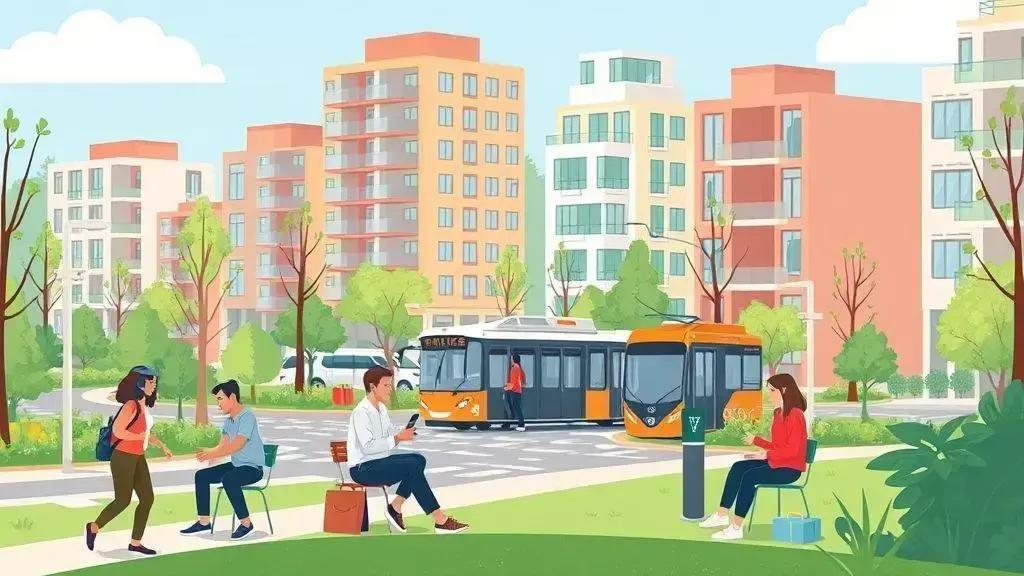
The benefits of smart city developments extend beyond technology; they significantly impact residents and local governments alike. For residents, these advancements bring enhanced quality of life. Imagine living in a city where your needs are anticipated and met efficiently.
For local governments, the implementation of smart systems leads to better service delivery. By utilizing real-time data, they can allocate resources more effectively and respond quickly to citizen concerns.
Advantages for Residents
- Improved Public Safety: Smart surveillance systems and emergency response technologies lead to safer communities.
- Enhanced Mobility: Real-time traffic updates and smart public transport options shorten commute times.
- Environmental Benefits: Smart waste management and energy-efficient buildings reduce pollution and improve public health.
- Increased Community Engagement: Digital platforms facilitate communication between residents and their local governments.
Additionally, smart cities promote sustainability. For example, smart grids enable the use of renewable energy, reducing the reliance on fossil fuels. This not only helps combat climate change but also leads to lower utility costs for residents.
On the government side, cost savings become evident through improved operational efficiency. By streamlining processes and reducing waste, cities can redirect funds to critical areas like education and infrastructure. Using data analytics, local governments can better understand the needs of their communities, leading to services that genuinely address local issues.
Furthermore, fostering innovation through smart technologies attracts new businesses and creates job opportunities. This economic growth benefits everyone, making cities more robust and vibrant.
Challenges in smart city implementations
Implementing smart city technologies comes with several challenges that cities must navigate. These obstacles can affect the success of smart initiatives, making it vital to understand them.
One major issue is the high costs associated with the development and deployment of smart infrastructure. Cities need to invest significantly in technology, training, and maintenance to ensure systems operate effectively.
Common Challenges Faced
- Data Privacy and Security: As cities collect vast amounts of data, safeguarding citizen information becomes crucial to prevent breaches and misuse.
- Interoperability: Different systems and platforms must work together seamlessly, which can be complex and hinder progress.
- Community Engagement: Gaining trust and support from residents is essential for successful implementation. Without community buy-in, projects may face significant hurdles.
- Regulatory Barriers: Governments often encounter legal and regulatory challenges that slow down the adoption of new technologies.
Another challenge is ensuring equitable access to technology. Not all residents may have the same level of digital literacy or access to devices. Cities must address this gap to prevent creating divides within the community.
Moreover, the rapidly changing technology landscape presents obstacles. Keeping up with advancements can lead to outdated systems quickly, requiring constant investment and updates.
Lastly, integrating smart solutions requires collaboration among various stakeholders, including government officials, tech companies, and community groups. Effective coordination is essential for overcoming these challenges and delivering meaningful improvements.
Future trends in urban development
Future trends in urban development reflect a growing emphasis on sustainability, technology, and community engagement. As cities evolve, these trends will shape how urban spaces function and meet the needs of their residents.
One major trend is the rise of green architecture. This approach emphasizes environmentally friendly building practices that reduce energy consumption. Architects are designing structures that incorporate solar panels, green roofs, and efficient insulation to minimize environmental impact.
Emerging Trends in Urban Development
- Smart Mobility: Cities are adopting smart transportation systems, such as electric public transit and bike-sharing programs, to improve accessibility and reduce traffic congestion.
- Mixed-Use Developments: Combining residential, commercial, and recreational spaces creates vibrant, walkable neighborhoods that foster community interactions.
- Urban Agriculture: Incorporating farms into urban areas promotes food sustainability and connects residents with their food sources.
- Data-Driven Planning: Cities are leveraging data analytics to make informed decisions about land use, resource allocation, and public services.
Another important trend is the focus on resilience. Cities are being designed to withstand climate change, natural disasters, and other stresses. This includes enhancing infrastructure to handle extreme weather events, such as flooding and heatwaves.
Furthermore, community engagement is becoming a priority in urban planning. Local governments are involving residents in the decision-making process, ensuring that developments meet their needs and preferences. This approach leads to greater satisfaction and a sense of ownership among community members.
As these trends continue to unfold, cities will increasingly adopt innovative solutions that prioritize sustainability and inclusivity. Keeping pace with these advancements will ensure that urban areas remain livable, vibrant, and in tune with the needs of their citizens.
Conclusion
In conclusion, smart city developments are revolutionizing urban living by integrating technology and innovation. These advancements bring numerous benefits, including improved quality of life, enhanced public safety, and better access to services. However, challenges remain, such as data privacy concerns and high implementation costs. By understanding these trends and facing these challenges, cities can create sustainable and resilient environments for their residents. The future of urban development looks promising as communities work together to build smarter and more inclusive cities.
FAQ – Frequently Asked Questions about Smart City Developments
What are smart cities?
Smart cities use technology and data to improve urban living, enhancing quality of life through better services and resource management.
What benefits do smart cities offer to residents?
Smart cities provide improved mobility, enhanced public safety, and greater access to services, making urban life more efficient and enjoyable.
What challenges do cities face in implementing smart technologies?
Cities often encounter high costs, data privacy concerns, and the need for community engagement when rolling out smart technologies.
How can community members get involved in smart city initiatives?
Community engagement is key; residents can participate in public forums, provide feedback, and collaborate with city officials on projects that affect their neighborhoods.