The circular economy in housing promotes sustainable practices by reusing materials, minimizing waste, and utilizing innovative designs to create eco-friendly living spaces that benefit both the environment and communities.
Circular economy in housing is not just a trend; it’s a transformative approach reshaping how we think about living spaces. Have you ever considered how our choices impact the environment and future generations? Let’s explore this fascinating topic together.
Understanding the circular economy concept
Understanding the circular economy concept is essential for creating sustainable housing solutions. Unlike the traditional linear model, which follows a ‘take, make, dispose’ approach, the circular economy promotes the idea of reusing resources and minimizing waste.
This innovative model encourages us to rethink how we produce and consume materials. By focusing on durability, repairability, and recyclability, we can extend the lifecycle of products and reduce their environmental impact.
Key Principles of Circular Economy
The circular economy is based on several key principles:
- Design for Longevity: Products should be made to last, promoting long-term use.
- Reuse and Repair: Instead of discarding items, we should find ways to repair and reuse them.
- Resource Recovery: After a product’s life, its materials can be reclaimed and reused in new products.
By embracing these principles, we can create a more sustainable built environment. This is particularly crucial in housing, where construction and demolition waste contribute significantly to overall waste production.
Moreover, the benefits of a circular economy extend beyond environmental sustainability. They also include economic advantages, like reducing costs associated with raw material extraction and disposal. Communities can thrive when they adopt circular practices, fostering local jobs in repair and recycling industries.
Ultimately, embracing the circular economy provides us with an opportunity to craft a better future, where resources are used responsibly, and our planet thrives.
Benefits of circular economy in housing
The benefits of circular economy in housing are profound and multifaceted, transforming how we think about our living spaces. This approach not only tackles waste, but it also promotes sustainable living practices that can greatly enhance communities.
One of the key advantages is the reduction of materials used in construction. By utilizing reclaimed and recycled materials, we can minimize the demand for new resources. This not only protects the environment but also often reduces costs.
Economic Benefits
Implementing a circular economy can lead to significant economic advantages:
- Cost Savings: Reusing materials can lower the costs associated with purchasing new resources.
- Job Creation: Industries focused on recycling and repair foster local job growth.
- Resilience: Communities can thrive when they adopt sustainable practices, making them more adaptable to economic shifts.
Furthermore, a focus on sustainability encourages innovation in the housing market. New technologies and materials are constantly being developed, which can lead to improved energy efficiency and healthier living environments.
Moreover, this approach can enhance the quality of life for individuals. Sustainable homes often come equipped with energy-efficient designs, leading to lower utility bills and improved air quality. Residents benefit from a healthier living space, promoting overall well-being.
In summary, the circular economy in housing not only addresses environmental concerns but also creates economic opportunities and improves living conditions. The transition towards this model is not just beneficial; it is essential for a sustainable future.
Innovative materials in sustainable housing
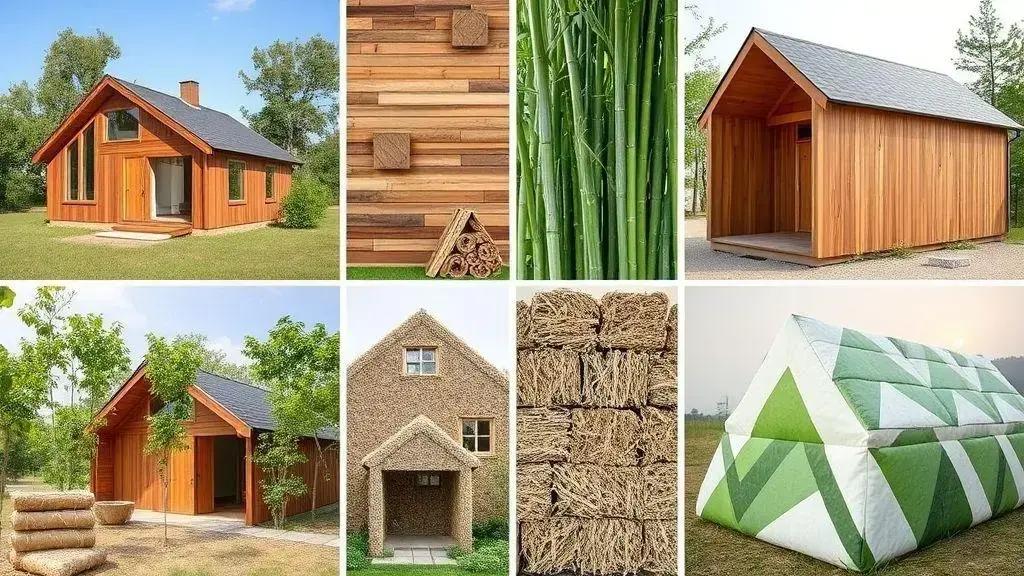
Innovative materials in sustainable housing are reshaping how we build and live. These materials not only reduce environmental impact but also enhance the durability and efficiency of homes.
One of the most exciting developments is the use of recycled materials. For example, reclaimed wood and recycled steel are being repurposed into beautiful structures. Not only do they minimize waste, but they also tell a story of sustainability.
Eco-Friendly Alternatives
There are several eco-friendly materials gaining popularity:
- Straw Bales: These provide excellent insulation and are incredibly sustainable.
- Ram Earth: Utilizing soil, this material is both strong and environmentally friendly.
- Recycled Plastic: This can be used to create everything from roofing tiles to insulation.
Additionally, bio-based materials, such as hempcrete and bamboo, are excellent choices for those aiming to create a green home. Hempcrete is lightweight and provides great insulation while being carbon negative. Bamboo is known for its rapid growth and strength, making it a renewable resource.
The integration of smart materials, which can adapt to their environment, is also gaining traction. These materials can respond to temperature changes, improving energy efficiency and comfort in homes.
As we shift toward more sustainable practices, embracing these innovative materials in housing will not only support greener living but also help combat climate change.
Case studies of successful implementations
Case studies of successful implementations in circular economy housing provide us with valuable insights into effective practices. These examples showcase how communities and organizations have adopted sustainable strategies to benefit both the environment and residents.
One remarkable case is the Dockside Green project in Victoria, Canada. This development incorporates sustainable materials and green technologies. It is designed to reduce waste and promote energy efficiency. By using reclaimed wood and integrating a rainwater harvesting system, Dockside Green sets a high standard for future housing projects.
Another Example: The Eco-Cycle Model
The Eco-Cycle model in Europe illustrates how urban areas can adopt circular principles. Cities have focused on reducing construction waste by reusing materials from demolished buildings. This model encourages collaboration between stakeholders, including architects, builders, and local governments, to create a closed-loop system.
Another successful implementation is the Garrison South in the United States. This project includes apartments built with recycled materials and energy-efficient designs. The residents enjoy lower utility costs thanks to solar panels and insulating materials that reduce energy usage. As a result, it has become a model for sustainable living.
These case studies highlight how successful implementations of circular economy principles can lead to innovative housing solutions. They demonstrate that with the right approach, sustainable practices can enhance the quality of life, reduce environmental impact, and promote community well-being.
The future of housing and sustainable practices
The future of housing and sustainable practices is looking promising as more people recognize the importance of eco-friendly living. With increasing awareness about climate change, the housing industry is evolving to meet the needs of a growing population while minimizing environmental impact.
New technologies are transforming how homes are built and operated. For example, smart home systems that control energy use can significantly reduce waste. These systems allow homeowners to monitor their energy consumption in real time, optimizing usage according to their lifestyles.
Emerging Trends in Sustainable Housing
Several trends are shaping the future of sustainable housing:
- Zero-Energy Homes: These homes produce as much energy as they consume, often using solar panels and energy-efficient appliances.
- Modular Construction: This method reduces waste and construction time, allowing homes to be built using prefabricated components.
- Green Roofs: These roofs not only insulate homes but also promote biodiversity by supporting plants and wildlife.
As we look ahead, urban planning must also adapt to incorporate green spaces, walking paths, and public transportation. This creates healthier communities where residents can thrive. Additionally, focusing on affordable sustainable housing will ensure that more people can experience the benefits of eco-friendly living.
Ultimately, the journey toward sustainable housing is a collective effort. Individuals, governments, and businesses must come together to promote practices that benefit not just people, but the planet. By embracing innovative ideas and sustainable practices, we can create a brighter future for generations to come.
FAQ – Frequently Asked Questions about Sustainable Housing
What is sustainable housing?
Sustainable housing refers to homes designed and built with eco-friendly materials and practices that minimize environmental impact.
How does the circular economy benefit housing?
The circular economy reduces waste by reusing materials and promoting efficient resource management, leading to sustainable housing solutions.
What are some examples of innovative materials in sustainable housing?
Innovative materials include recycled plastics, reclaimed wood, straw bales, and bamboo, which all contribute to eco-friendly construction.
What are zero-energy homes?
Zero-energy homes are designed to produce as much energy as they consume, using renewable energy sources like solar panels.