AI in home design enhances personalization, efficiency, and sustainability by using smart technologies to create tailored living spaces that adapt to user preferences and optimize resource usage.
AI in home design is changing the way we think about our living spaces. Imagine tailoring your environment based on your preferences, all thanks to smart technology. Let’s dive into how AI can elevate your home.
Understanding AI in home design
Understanding AI in home design starts with recognizing how technology transforms our living spaces. As AI tools become more accessible, homeowners can create unique environments tailored to their preferences.
This evolution is driven by advancements in software and hardware that allow designers to visualize concepts in real-time. With algorithms learning from user preferences, AI can suggest layouts that enhance space and functionality.
Key Components of AI in Home Design
Some essential elements include:
- Smart Design Software: These tools use algorithms to craft personalized layouts.
- Virtual Reality: VR allows homeowners to walk through designs before they’re realized.
- Automated Furnishing: Some systems recommend furniture based on your style and space.
Benefits of incorporating AI in home design extend beyond aesthetics. They also optimize energy efficiency and improve the overall comfort of living spaces. By analyzing usage patterns, AI can suggest changes that lead to more sustainable homes.
Imagine an AI system that assesses your lifestyle and suggests design changes accordingly. If you enjoy hosting gatherings, it may propose an open layout or multi-functional spaces that adapt to your needs.
As you explore different tools, consider how AI in home design can assist not only in creating beauty but also in fostering a more functional living environment. Smart technology is evolving, making it easier than ever to reimagine your home.
Benefits of incorporating AI in interiors
There are several compelling benefits of incorporating AI in interiors. By using advanced technology, homeowners can enhance not just aesthetics but also functionality.
One of the most significant advantages is personalization. AI systems analyze individual preferences and create designs tailored to specific needs. For example, if you prefer minimalistic designs, the AI will suggest furniture and color schemes that match that style.
Improved Efficiency
AI doesn’t just focus on aesthetics; it improves the efficiency of space. Automated systems can help in:
- Space Optimization: AI identifies the best arrangement for furniture and décor, maximizing available space.
- Energy Management: Smart features can adjust lighting and HVAC systems based on occupancy and usage patterns.
- Time Savings: Automated design processes lead to quicker project completions.
In addition to efficiency, AI in interiors promotes sustainability. By recommending eco-friendly materials and designs, AI systems contribute to greener living spaces. For instance, they can suggest recyclable materials or energy-efficient appliances that lower carbon footprints.
Another important benefit is enhanced comfort. AI can analyze how individuals use a space and make adjustments accordingly. It might adjust the room temperature, lighting, or even the arrangement of furniture based on real-time data. This results in a more enjoyable living environment.
Furthermore, AI can also predict future needs. If you regularly entertain guests, the system can suggest changes that facilitate gatherings. This proactive approach ensures that your home remains functional and accommodating.
How AI tools work in design
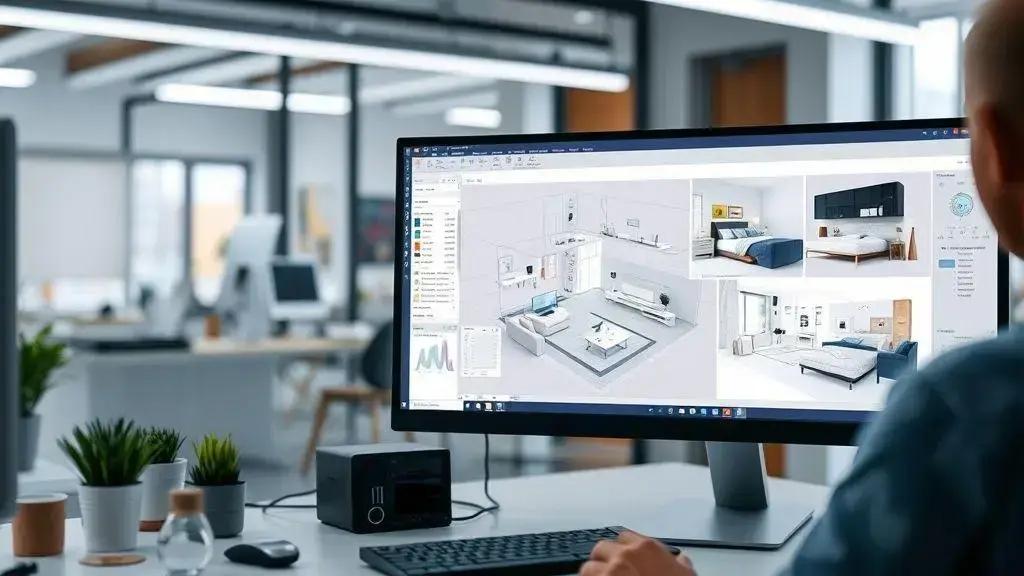
Understanding how AI tools work in design is essential for anyone interested in enhancing their home environment. These tools utilize advanced algorithms to assist designers and homeowners alike.
AI systems analyze vast amounts of data to identify trends and preferences. By doing so, they can recommend styles, colors, and layouts that fit an individual’s taste. For example, if a user frequently chooses modern styles, the AI will learn this preference and suggest related options.
Key Features of AI Design Tools
Some of the standout features include:
- 3D Visualization: Tools allow users to see designs in a realistic three-dimensional space, helping them make informed choices.
- Style Recommendations: Based on user preferences, AI can propose styles that align with existing home décor.
- Automated Layouts: AI systems can automatically create optimal room layouts that maximize space and efficiency.
As you engage with these tools, consider how they can transform your home design process. With smart algorithms, the possibilities for customization become endless. These tools can also reduce the time spent on design by streamlining decision-making.
Moreover, AI can help in material selection by evaluating the sustainability and performance of various options. If you prioritize eco-friendly materials, the system will highlight those choices. This not only supports your design goals but also aligns with a larger commitment to sustainability.
Incorporating AI into design creates a powerful collaboration between technology and creativity. It empowers users to experiment with different designs and provides actionable insights that enhance the overall design experience.
Real-life examples of AI-enhanced homes
Real-life examples of AI-enhanced homes showcase how technology can redefine living spaces. These homes use various AI technologies to enhance comfort, efficiency, and design.
One prominent example is the use of smart thermostats. These devices learn from user behavior to adjust heating and cooling automatically. Homeowners benefit from lower energy bills while enjoying a consistently comfortable environment. For instance, a family might find that their system learns the best temperatures for different times of the day, optimizing their home experience.
Smart Lighting Systems
AI also plays a significant role in smart lighting. These systems can adjust brightness and color based on the time of day or the activities taking place. Automated settings can create ambiance during movie nights or ensure safety by brightening the path when someone enters a room at night.
- Example 1: A home equipped with AI lighting that simulates natural daylight.
- Example 2: A smart home that adjusts outdoor lights based on sunset and sunrise times.
- Example 3: A system that changes color according to the mood or theme of a gathering.
Moreover, AI-enhanced kitchens can personalize cooking experiences. Advanced appliances can suggest recipes based on available ingredients or dietary preferences. Picture a kitchen that automatically sets the oven to the right temperature for your favorite dish just as you arrive home.
Another fascinating example is the integration of AI-powered security systems. These systems can learn to distinguish between familiar faces and strangers, sending alerts only when necessary. This adds an extra layer of security while reducing false alarms, ensuring peace of mind for homeowners.
Integrating AI into homes doesn’t just promote efficiency; it also enhances the enjoyment of everyday living. Homeowners across the globe are discovering how intelligent systems work together for a smoother lifestyle.
Future trends of AI in home design
Future trends of AI in home design are shaping how we think about our living spaces. As technology evolves, homeowners are presented with even smarter solutions for creating their ideal environments.
One notable trend is the rise of personalized design experiences powered by AI. Homes will soon be able to learn from the habits and preferences of their residents. For example, an AI system might adjust ambiance settings based on who is home and the time of day, creating a welcoming atmosphere tailored for every occasion.
Integration with Augmented Reality
Augmented Reality (AR) is expected to become more common in home design. With AR, users can visualize how different designs and furnishings will look in their spaces using their smartphones or smart glasses. Whether it’s seeing how a new couch fits or how a paint color affects the room, this technology will bridge the gap between imagination and reality.
- Example 1: Using AR apps to project furniture in your living room before purchasing.
- Example 2: Virtual staging tools that allow potential buyers to visualize a home with different layouts.
- Example 3: Personalized color suggestions based on the room’s characteristics and lighting.
Another trend is the increased focus on sustainability. AI is being integrated with eco-friendly materials and designs to help reduce the environmental impact of home construction. This includes suggestions for energy-efficient appliances and smart home systems that automatically optimize resource use based on real-time data.
Smart home technology will also see advancements. Systems will be developed that communicate more effectively with one another, creating a unified ecosystem. Imagine a home where the lighting, heating, and security systems collaborate seamlessly to enhance comfort and safety.
Additionally, homes of the future may include advanced health monitoring systems. AI could analyze air quality and provide alerts to improve indoor health conditions. This means homeowners can maintain a healthier living space through data-driven insights.
AI in home design is rapidly transforming the way we think about our living spaces. From personalized experiences to enhanced sustainability, AI is making homes smarter and more efficient. As we look to the future, technologies like augmented reality and holistic smart systems will continue to shape our environments. Embracing these advancements can lead to a healthier, more comfortable, and more personalized living experience.
FAQ – Frequently Asked Questions about AI in Home Design
How can AI improve my home design experience?
AI can provide personalized design recommendations, optimize layouts, and enhance energy efficiency based on your preferences.
What are some examples of AI technologies used in homes?
Examples include smart thermostats, automated lighting systems, and AI-powered security features.
Will AI in home design make homes more sustainable?
Yes, AI can suggest eco-friendly materials and energy-efficient designs, promoting sustainability in home construction.
How does augmented reality integrate with AI in home design?
Augmented reality allows users to visualize design changes in real-time, making it easier to choose furnishings and layouts before making purchases.