Blockchain innovations enhance security, efficiency, and transparency in various industries by utilizing decentralized, encrypted ledgers that improve data integrity and streamline operations.
Blockchain innovations are not just a buzzword; they’re transforming industries at an unprecedented pace. Ever wondered how this technology could change your everyday life? Let’s dive in!
Understanding blockchain technology
Understanding blockchain technology is essential to grasp its impact on various industries. At its core, blockchain is a decentralized digital ledger that records transactions across many computers. This means that no single entity has control, making it very secure and difficult to alter.
One of the key features of blockchain is its transparency. Each transaction is visible to all participants in the network, allowing for greater trust and accountability. Users can verify the legitimacy of transactions and eliminate the need for intermediaries.
The structure of blockchain
Blockchain consists of a series of blocks that contain data, timestamps, and a unique hash. This structure ensures that blocks are linked together securely. If you try to change one block, the hashes of all subsequent blocks would also change, making tampering easily detectable.
- Blocks: Each block stores data related to transactions.
- Decentralization: No central authority controls the blockchain.
- Immutability: Once a block is added, it cannot be altered.
- Consensus mechanisms: Nodes must agree on the validity of transactions before adding them to the blockchain.
This technology also employs various consensus mechanisms that help validate transactions, such as Proof of Work and Proof of Stake. These systems work to prevent fraud and ensure that all transactions are legitimate before they are added to the ledger.
The applications of blockchain technology extend beyond cryptocurrencies. Industries like finance, healthcare, and supply chain management are discovering how blockchain can optimize their operations. For instance, in supply chains, blockchain enhances traceability and efficiency, allowing companies to track their products from production to delivery.
The impact of blockchain innovations on businesses
The impact of blockchain innovations on businesses is significant and multifaceted. By adopting this technology, companies can improve efficiency, reduce costs, and enhance security in their operations. The use of blockchain can lead to optimized processes that benefit both companies and their customers.
Efficiency through automation
One major advantage of blockchain is its ability to automate transactions. Smart contracts automatically execute when certain conditions are met, minimizing the need for manual intervention. This reduces delays and errors, allowing companies to respond faster to market changes.
- Improved transaction speed: Transactions can be completed in real-time.
- Cost reductions: Less reliance on intermediaries lowers operating costs.
- Increased accuracy: Automated processes reduce human error.
- Enhanced tracking: Every transaction is recorded and traceable.
Furthermore, blockchain innovations improve transparency within organizations. Stakeholders can access information easily, which builds trust and accountability. This transparency is particularly valuable in industries like finance, where regulatory compliance is critical.
Increasing security
Another vital benefit is enhanced security. Blockchain utilizes cryptography to protect data, making it nearly impossible for unauthorized access or alterations. This level of security is essential for safeguarding sensitive information, such as financial records and personal data.
Many businesses are adopting blockchain to protect against fraud. With its decentralized nature, the risk of a single point of failure is significantly reduced. This resilience is crucial for maintaining customer confidence.
The rise of blockchain innovations also drives competitiveness. Companies that leverage this technology can differentiate themselves in the marketplace. By offering improved products and services, they can attract more customers and adapt quickly to industry demands.
Simplifying supply chain management with blockchain
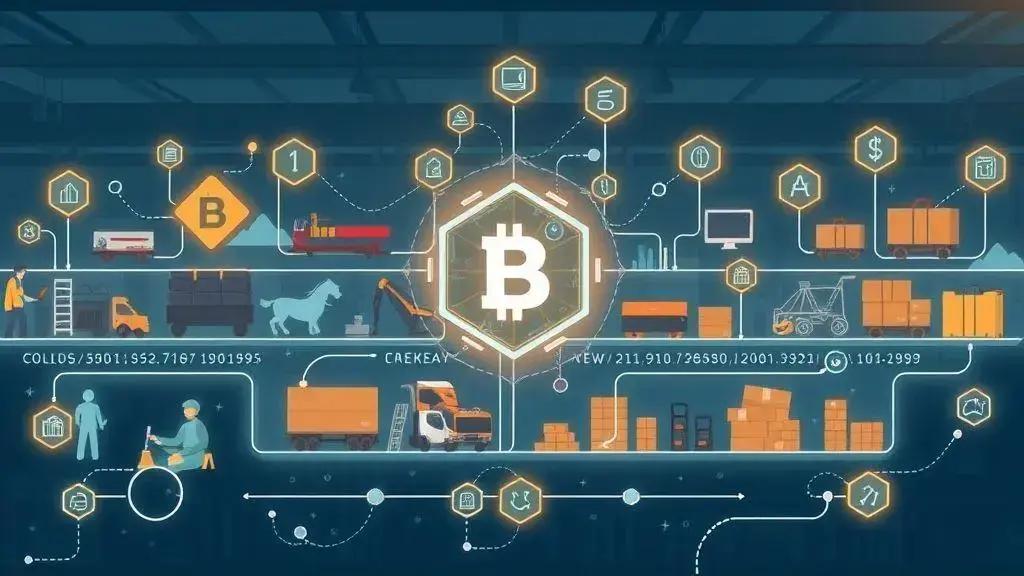
Simplifying supply chain management with blockchain technology transforms the way companies operate. This innovative solution enhances visibility and traceability across the entire supply chain. By using blockchain, businesses can streamline their processes, making them more efficient and reliable.
Enhanced transparency
One of the significant benefits of blockchain in supply chains is increased transparency. Each transaction is recorded on a decentralized ledger, allowing all parties to view the same information in real-time. This shared visibility helps build trust among suppliers, manufacturers, and retailers.
- Improved traceability: Each product can be tracked from origin to destination.
- Reduced fraud: Authenticity of products can be verified easily.
- Faster dispute resolution: Transparent records help resolve issues quickly.
- Accountability: Participants can be held accountable for their roles.
Moreover, simplifying supply chain management means that companies can quickly identify bottlenecks. With blockchain, all data is easily accessible, so businesses can analyze their operations more effectively. This leads to timely fixes and adjustments, ensuring smoother workflows.
Cost efficiency and reduced delays
Another key aspect is cost savings. By eliminating unnecessary intermediaries, blockchain reduces transaction fees and delays. For example, paperwork can be minimized since transactions are recorded digitally. This not only lowers costs but also speeds up processes significantly.
Furthermore, businesses can respond dynamically to market demands. With accurate and timely information at their fingertips, companies can make informed decisions faster than ever before. This agility gives them a competitive edge in their respective markets.
Ultimately, implementing blockchain in supply chain management is more than just improving processes; it’s about creating a new standard for efficiency, reliability, and trust. As more businesses adopt this technology, the entire supply chain ecosystem will evolve.
Enhancing security through blockchain innovations
Enhancing security through blockchain innovations is a key benefit that many organizations are beginning to recognize. As cyber threats grow more sophisticated, the need for robust security measures becomes essential. Blockchain’s unique features offer solutions to these challenges and provide a safer way to manage data.
Decentralization for increased security
One of the primary ways blockchain enhances security is through its decentralized structure. Unlike traditional databases, where data is stored in a single location, blockchain spreads data across a network of computers. This makes it much harder for hackers to compromise the system.
- Data integrity: Once information is recorded on the blockchain, it becomes immutable, meaning it cannot be altered or deleted.
- Encryption: Each transaction is secured with cryptographic techniques, adding another layer of protection.
- Transparency: All transactions are visible to network participants, making suspicious activities easier to detect.
- Consensus mechanisms: Multiple verifiers must validate transactions, ensuring that only legitimate entries are recorded.
By utilizing these features, businesses can significantly reduce the risk of fraud and data breaches. Sensitive data, such as financial records or personal information, can be better protected through blockchain’s secure environment.
Compliance and regulatory benefits
Additionally, blockchain can help organizations comply with regulations. Many industries face strict data protection laws, and blockchain can streamline compliance efforts. With clear and traceable records, businesses can easily demonstrate adherence to regulations, which can reduce legal risks.
When implementing blockchain innovations, companies also experience quicker identification of security issues. This is due to the real-time monitoring that blockchain enables. Any attempt to tamper with the data can be detected instantly, allowing for quicker responses to potential threats.
Ultimately, the combination of decentralization, encryption, and transparency positions blockchain as a front-line defense against security threats. This technology not only fortifies existing systems but also paves the way for future enhancements in security.
Future trends in blockchain technology
Future trends in blockchain technology promise to shape how we interact with digital systems in many exciting ways. As the technology evolves, various sectors are exploring how blockchain can enhance their operations. It is essential to understand these trends to stay ahead in a rapidly changing environment.
Interoperability between blockchains
One prominent trend is the push for interoperability between different blockchains. Currently, many blockchains function in isolation, which limits their effectiveness. By allowing separate blockchains to communicate, businesses can create more efficient systems that leverage the strengths of multiple platforms.
- Enhanced communication: Different blockchains can share data seamlessly.
- Broader applications: Businesses can create more comprehensive solutions.
- Greater flexibility: Users can move assets across platforms with ease.
- Increased collaboration: Organizations can work together on common projects.
This trend will likely lead to the development of infrastructure that supports multiple blockchains working together, ultimately fostering greater innovation.
Focus on sustainability
Another significant trend is the focus on sustainability within blockchain solutions. As environmental concerns grow, developers are working on eco-friendly blockchain technologies. Many aim to reduce energy consumption associated with processes like mining.
Blockchain networks are exploring alternatives such as Proof of Stake, which requires significantly less energy than traditional Proof of Work systems. This shift not only helps the environment but also attracts more users and investors who prioritize sustainability.
Additionally, businesses are beginning to utilize blockchain technology to track their carbon footprints and ensure environmentally friendly supply chains. This capability enhances transparency and accountability.
The integration of artificial intelligence with blockchain is another exciting development on the horizon. AI can analyze vast amounts of data and improve blockchain security and efficiency. Together, they create opportunities for smarter decision-making and more reliable systems.
Overall, the future of blockchain technology is bright, with advances in interoperability, sustainability, and AI integration paving the way for more efficient and responsible digital ecosystems.
blockchain technology is shaping the future of many industries through its innovative features. As trends like interoperability, sustainability, and AI integration develop, businesses can enhance their operations and security. Embracing these changes will be essential for staying competitive and responsible in a rapidly evolving market. The future looks bright for blockchain as it paves the way for more efficient and trustworthy systems.
FAQ – Frequently Asked Questions about Blockchain Innovations
What is blockchain technology?
Blockchain technology is a decentralized digital ledger that securely records transactions across multiple computers, ensuring data integrity and transparency.
How does blockchain enhance security?
Blockchain enhances security through decentralization, encryption, and transparency, making it difficult for unauthorized changes or fraud to occur.
What are some future trends in blockchain?
Future trends in blockchain include interoperability between blockchains, a focus on sustainability, and the integration of artificial intelligence for smarter solutions.
How can businesses benefit from blockchain innovations?
Businesses can benefit from blockchain innovations by improving efficiency, reducing costs, enhancing security, and gaining greater transparency in their operations.