AI in transportation enhances efficiency and safety through smart routing, autonomous vehicles, real-time data analysis, and improved public transit systems, paving the way for a more sustainable future.
AI in transportation is becoming a game-changer in the way we move around. Ever wondered how technology could make your commute easier and safer? Let’s dive into the innovations reshaping our journeys.
Understanding AI in transportation
Understanding AI in transportation begins with recognizing its impact on how we move from place to place. This technology is revolutionizing travel, making it smarter and more efficient.
What is AI in Transportation?
AI in transportation refers to the application of artificial intelligence technologies to improve the movement of people and goods. This includes everything from analyzing data to predicting traffic patterns. With the power of AI, systems can learn and adapt, providing better travel experiences.
Key Benefits of AI
There are many advantages to implementing AI within transportation systems:
- Enhanced safety through predictive analytics.
- Optimized routing for faster travel times.
- Improved traffic management with real-time data.
These benefits show how AI can make a significant difference in daily travel. Additionally, the integration of AI helps reduce environmental impact by promoting efficient resource use.
AI technology supports the development of autonomous vehicles, which rely heavily on advanced algorithms. These vehicles analyze their surroundings and make decisions based on vast amounts of data. Imagine a car that can communicate with nearby traffic lights to optimize its route. Such innovations are becoming reality, thanks to the power of AI.
Moreover, public transportation systems are increasingly adopting AI to enhance services. Smart buses and trains can adjust schedules based on demand and minimize delays. Riders get real-time updates, significantly improving the commuting experience.
As AI continues to evolve, its potential within transportation is limitless. Emerging technologies, such as machine learning algorithms, will increasingly shape how we navigate our cities. It’s an exciting time for the industry, as innovation and technology intertwine to create new possibilities.
Benefits of AI for traffic management
The benefits of AI for traffic management are transforming urban mobility. Cities are adopting smart technologies that make travel safer and more efficient.
Improved Traffic Flow
AI systems analyze real-time data to adjust traffic signals and optimize vehicle flow. This reduces congestion during peak hours. By using predictive analytics, traffic systems can anticipate issues and reroute cars effectively.
Enhanced Safety
One significant advantage of AI in traffic management is improved safety. AI tools can monitor roads for accidents or hazards. By alerting authorities quickly, they prevent further incidents and ensure prompt responses.
- Real-time analysis: AI detects unusual patterns, allowing for quick intervention.
- Predictive maintenance: Ensures roads and signals are well-maintained.
- Accident prediction: Uses data to foresee potential situations and mitigate risks.
Moreover, AI can manage public transportation better. Buses and trains can adapt their schedules based on passenger demand. This responsiveness leads to a more reliable service, encouraging public transportation use.
As city populations grow, the need for efficient traffic management becomes crucial. AI technologies help cities adapt to the increasing traffic demands. They analyze vast amounts of data from traffic cameras, sensors, and mobile devices to make informed decisions. This level of intelligence ensures smoother travel experiences for everyone. Besides, AI helps reduce emissions by optimizing routes and minimizing idling, contributing to a cleaner environment.
The future of urban landscapes is bright with AI. As technology continues to evolve, cities can expect even better traffic solutions. Integrating AI into transportation systems will lead to smarter, safer cities where travel becomes effortless.
The role of AI in autonomous vehicles
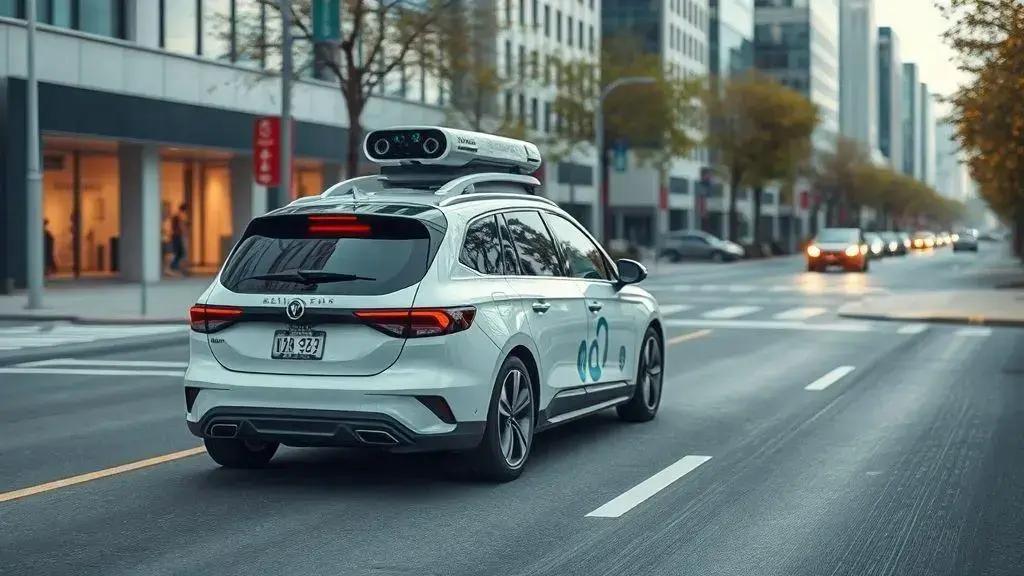
The role of AI in autonomous vehicles is a fascinating area of technology that is rapidly evolving. These vehicles rely on advanced algorithms to navigate and make real-time decisions.
How AI Enables Autonomy
Autonomous vehicles utilize AI to process information from sensors and cameras. As they travel, they gather data about their environment, recognizing obstacles and understanding road conditions. This capability allows them to react faster than human drivers.
Key Technologies in Use
Several technologies work together within autonomous vehicles, highlighting the importance of AI:
- Computer vision: Helps vehicles understand and interpret their surroundings.
- Machine learning: Enables the vehicle to improve its performance over time based on experiences.
- Sensor fusion: Combines data from multiple sensors to create a comprehensive view of the environment.
As these technologies improve, so do the capabilities of autonomous vehicles. A key advantage is their potential to reduce traffic accidents significantly. Studies suggest that many crashes result from human error; by eliminating this factor, self-driving cars could enhance road safety.
Moreover, AI allows for efficient route planning. Autonomous vehicles can analyze traffic patterns and conditions to determine the best paths to take. This efficient navigation reduces fuel consumption and travel times for riders. Because they can communicate with each other, these vehicles can coordinate movements, leading to smoother traffic flow and reduced congestion.
In addition to personal vehicles, autonomous technology is also making strides in public transport. Self-driving buses and shuttles may very well be the future of urban mobility. They can serve areas that are hard to reach with traditional transport, providing accessibility and convenience.
With these advancements, the future of transportation is being reshaped. As AI continues to develop, we can expect even more innovations in autonomous vehicles, improving the way we travel and interact with our cities.
AI applications in public transit
AI applications in public transit are transforming how people use and experience transportation services. By leveraging advanced technologies, transit systems can become more efficient and user-friendly.
Smart Routing
One significant application of AI is smart routing. This technology analyzes real-time data to adjust transit routes based on current traffic and rider demand. By reducing wait times and optimizing bus or train schedules, systems can enhance user satisfaction.
Passenger Information Systems
Furthermore, public transit services employ AI to provide real-time information to passengers. This includes updates on arrival times and service disruptions. Riders can access this data through mobile apps or digital displays at transit stations.
- Real-time tracking: Passengers can see exactly when their bus or train will arrive.
- Notifications: Alerts about delays or changes in service keep passengers informed.
- Data analysis: Collecting usage patterns helps improve future services.
The influence of AI extends to ticketing processes as well. Automated systems can manage fare collection, reducing lines and wait times. Passengers appreciate the speed and efficiency of contactless payments, making their transit experience smoother.
AI also plays a crucial role in enhancing safety within public transport. Systems equipped with AI can monitor video feeds from cameras to detect unusual activities. This proactive approach helps ensure the safety of passengers and staff, contributing to a more secure environment. Moreover, predictive maintenance powered by AI analyzes vehicle performance data. By forecasting potential failures, transit authorities can address issues before they lead to breakdowns, enhancing overall system reliability.
As cities grow and public transit demand increases, AI’s role will become even more vital. Integrating AI applications in public transit not only improves operational efficiency but also transforms the way passengers interact with transportation systems. The future of public transit is indeed promising, with technology paving the way for innovations that enhance mobility and accessibility for all.
Future trends of AI in transportation
The future trends of AI in transportation are exciting and full of possibilities. As technology advances, we can expect significant changes that will enhance how we travel.
Increased Automation
One prominent trend is the rise of automation. More autonomous vehicles are hitting the roads, from personal cars to public transportation systems. These vehicles will rely on AI to analyze traffic conditions and navigate efficiently.
Smart Infrastructure
Another key development is the integration of AI with smart infrastructure. This includes traffic signals and roadways connected to AI systems that can communicate with vehicles. Such integration aims to optimize traffic flow and reduce disruptions.
- Adaptive traffic signals: These signals adjust in real time based on traffic patterns.
- Connected vehicles: Cars can exchange information with their surroundings to enhance safety and efficiency.
- Data-driven decisions: Cities will utilize data from vehicles to plan better transport systems.
Additionally, sustainable transportation will play a crucial role in the future. AI technologies can help design eco-friendly routes, reducing fuel consumption and emissions. Charging stations for electric vehicles may be strategically placed using AI to encourage the use of electric transport.
Moreover, advancements in machine learning will enhance user experiences. For instance, ride-sharing apps can use AI to predict demand and set fares accordingly. This not only benefits drivers but also passengers who can expect better service.
As AI progresses, we will also see improvements in safety measures. More sophisticated algorithms will help prevent accidents by analyzing real-time data and making quick decisions. This can lead to a significant reduction in road incidents, making travel safer for everyone.
Overall, the future of AI in transportation promises innovation that will change how we travel. From autonomous vehicles to sustainable practices, technology will continue to reshape the industry, creating more efficient, safe, and eco-friendly transportation solutions.
Conclusion: The landscape of transportation is rapidly changing with the integration of AI technologies. From enhancing traffic management to enabling autonomous vehicles, the advancements are significant. Public transit systems are becoming smarter, providing better service through real-time data. As these innovations continue to develop, we can look forward to safer, more efficient, and environmentally friendly travel options. The future holds great promise, and embracing these changes will lead to better transportation experiences for everyone.
FAQ – Frequently Asked Questions about AI in Transportation
How does AI improve public transit systems?
AI enhances public transit by optimizing routes, providing real-time information, and improving the overall passenger experience.
What benefits do autonomous vehicles offer?
Autonomous vehicles reduce the risk of accidents, improve traffic flow, and provide a more efficient travel experience.
How does AI contribute to traffic management?
AI analyzes traffic data to adjust signals and reroute vehicles, minimizing congestion and improving road safety.
What future trends should we expect in AI and transportation?
Future trends include more automation, smart infrastructure, and environmentally friendly solutions powered by AI technology.